US News
Fire Destroys USF St. Pete Marine Science Lab
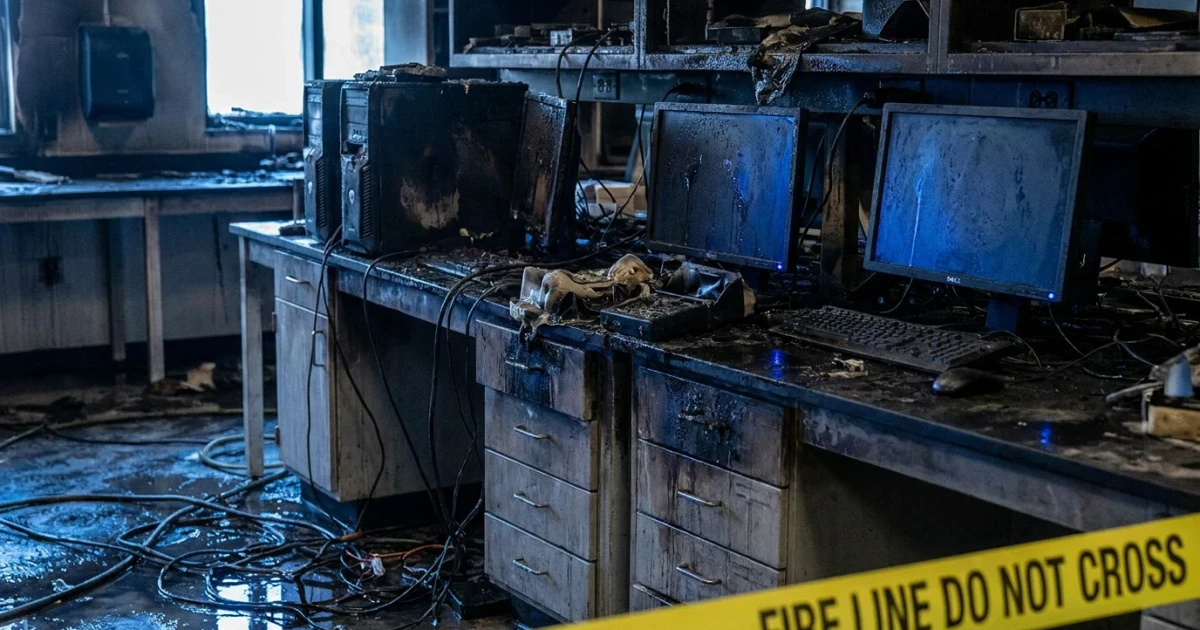
A major fire broke out Friday morning at the University of South Florida St. Petersburg Marine Science Laboratory, resulting in extensive damage that officials say could render the building a total loss. The incident has sent ripples through the academic and research community, raising questions about safety protocols and the future of ongoing research projects.
Blaze Engulfs Key Research Facility
According to local coverage from the Tampa Bay Times and FOX 13 Tampa Bay, emergency responders were dispatched to the USF St. Petersburg Marine Science Lab early Friday for what was quickly escalated to a two-alarm fire. By the time crews brought the blaze under control, much of the building was devastated, with officials on scene describing the structure as a likely “total loss.”
The USF Marine Science Lab serves as a hub for critical marine and environmental research, housing sensitive equipment and supporting ongoing studies that impact both the university and the wider scientific community. Its loss is expected to have significant ramifications for faculty, students, and research partners.
Impact on Research and Scientific Work
The Marine Science Lab is home to advanced facilities supporting a range of research, from oceanographic monitoring to ecological assessments. According to the university’s College of Marine Science research programs, the lab enables projects on coastal resilience, marine ecosystem health, and climate change, among others. The fire’s impact extends beyond the physical structure, threatening years of data, specimens, and ongoing experiments.
- The facility houses specialized laboratories for chemical analysis, remote sensing, and biological studies.
- It supports interdisciplinary research, drawing in scientists from across Florida and the Gulf Coast region.
- Annual reports show the lab facilitates numerous grants, publications, and student projects each year. The 2022 annual report highlights its contribution to over 50 active research initiatives and dozens of graduate theses.
Fire Safety and Emergency Response
The scale of the fire has prompted renewed attention to fire safety in laboratory settings. Recent data from the National Fire Protection Association (NFPA) shows that fires in educational properties, while relatively rare, can have severe consequences due to the presence of chemicals and specialized equipment. Federal reports such as those from the U.S. Fire Administration outline common causes in laboratories, including electrical faults, equipment overheating, and improper storage of flammable materials.
The USF Fire Safety Report details protocols in place for emergency response and outlines regular inspections of laboratory spaces. The cause of Friday’s fire has not yet been determined, and university officials have indicated that a full investigation will follow.
Looking Ahead: Recovery and Rebuilding
The destruction of the Marine Science Lab represents a significant setback for USF’s research mission. However, university leaders and the scientific community are expected to mobilize resources for recovery, with a focus on salvaging data, restoring research continuity, and planning for future rebuilding efforts. In situations like this, collaborative support and external funding often play a crucial role in reestablishing lost capacity.
As the investigation into the fire’s cause progresses, the incident underscores the importance of robust safety measures, emergency planning, and resilient infrastructure in research environments. The coming weeks will reveal more about the extent of the loss and the path forward for one of Florida’s premier marine science centers.