US News
Fireworks put pets at risk as July 4 shelter surges loom
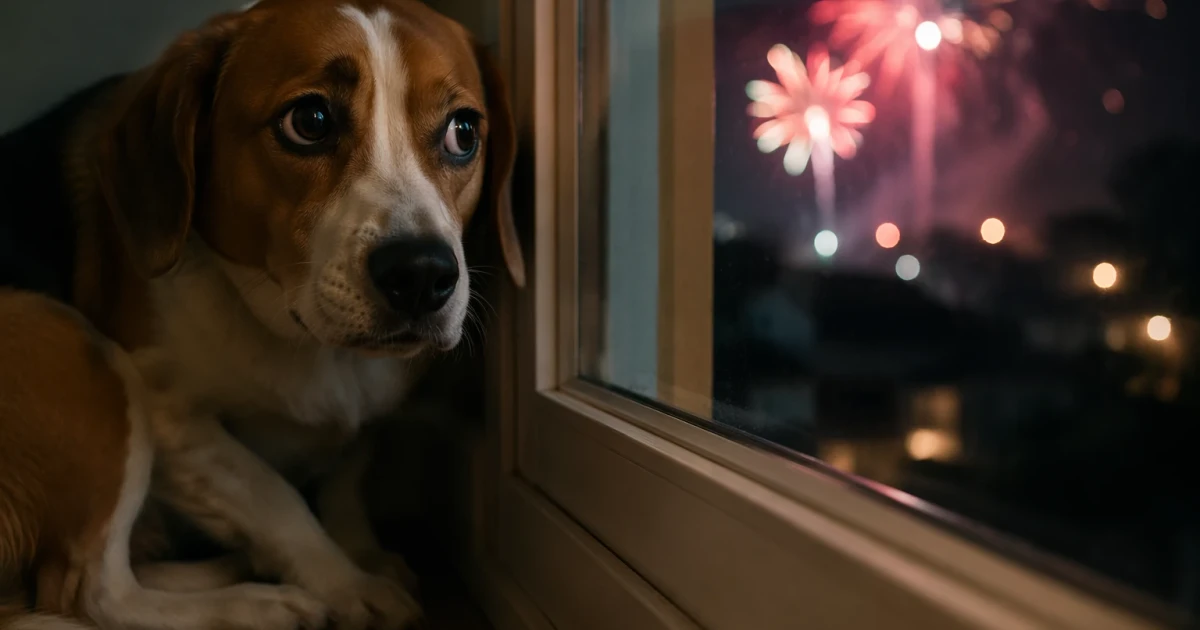
July 5 is consistently one of the busiest days of the year for animal shelters nationwide. Fireworks, picnics and backyard gatherings can frighten animals into bolting, and the holiday also brings hot grills, debris and food hazards that can turn a celebration into a rescue call. Veterinary groups and shelter operators are warning that the days around July 4 and July 5 are among the most dangerous of the year for dogs and cats.
Make identification the first step
Before the holiday crowds arrive, check every collar tag and make sure the information still works. The American Veterinary Medical Association recommends current ID tags, updated microchip registration and a recent photo of cats, dogs and horses in case an animal slips a leash, slips through a screen or disappears during a loud burst of fireworks.
If your pet has a history of severe anxiety, talk with a veterinarian or veterinary behaviorist before the holiday starts, the AVMA says. Some animals may need medication, and that conversation is safest when it happens ahead of time instead of after panic has already taken hold.
Turn the house into a quiet zone
The simplest protection is to keep pets inside well before dusk and keep them there. Mirah Horowitz, founder and CEO of Lucky Dog Animal Rescue, says frightened animals often bolt through screens, fences, open doors or out of leashes during backyard parties, which is why she recommends walking dogs before dark, locking doggie doors, and keeping collars on all night with up-to-date ID tags and registered microchips.
A calm room can also blunt the shock of neighborhood noise. Dr. Sarah Nold, Trupanion’s veterinarian, urges owners to keep animals safely inside and surrounded by comforting items. Music or white noise can help mask the sudden crack of fireworks. Closing windows, drawing curtains and keeping the pet’s routine steady can make the house feel less exposed when the first burst lands overhead.
A practical holiday setup can be as simple as this:
• Walk dogs before dark, before the loudest displays begin. • Keep cats and dogs indoors, with doggie doors locked. • Leave collars on overnight and confirm tags and microchips are current. • Use music or white noise to soften the sound of fireworks. • Keep comfort items nearby, such as a favorite bed, blanket or toy.
Know why shelters brace for July 5
Animal-control officials report a 30% to 60% increase in lost pets between July 4 and July 6 each year, the American Humane Society says. That pattern matches Horowitz’s warning that shelters see a 30% spike in lost pets from July 4-6, often after a pet panics during a backyard gathering and finds the nearest gap in a fence or door.
In a June 27, 2025 release, Trupanion recorded 315 fireworks-related pet claims over the Fourth of July holiday since 2020 and nearly 2,000 fireworks-related pet claims since 2020 overall. In that release, Trupanion put its coverage at around one million of the estimated 164 million cats and dogs in the United States.
Watch for the line between fear and emergency
Not every scared pet needs a clinic visit, but severe panic can become a medical problem fast. If your animal is trying to tear through doors, chew through barriers, injure itself in an escape attempt or cannot settle despite being indoors and quieted down, call a veterinarian or emergency clinic immediately.
Fireworks and summer celebrations create serious risks for companion animals, and the same precautions can also help protect wildlife and farm animals that react badly to explosions, flames and stray debris. The U.S. Consumer Product Safety Commission says there were an estimated 14,700 fireworks-related injuries and 11 fireworks-related deaths in 2024, along with about 1,700 emergency-room-treated sparkler injuries.
Sources
- [1]npr.org
- [2]avma.org
- [3]americanhumane.org
- [4]forbes.com
- [5]investors.trupanion.com
- [6]cpsc.gov
- [7]aspca.org