Health
First Human Receives Pig Liver and Kidneys in Landmark Transplant
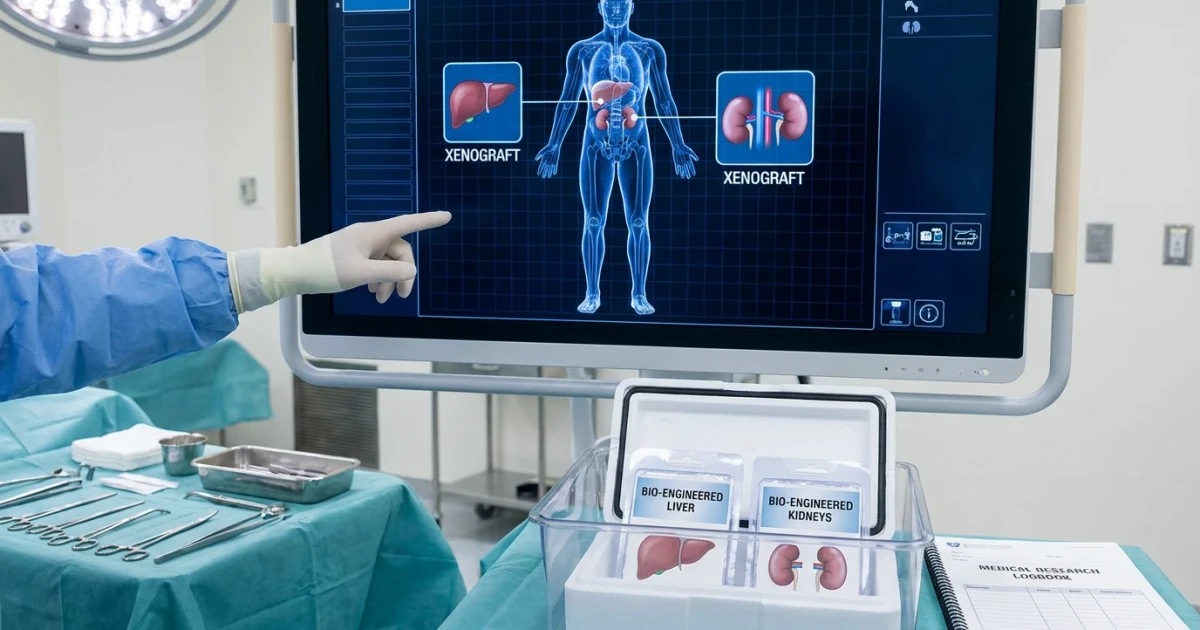
In a breakthrough for organ transplantation, a human patient has received a pig's liver and both kidneys in a single operation, marking the first successful transfer of multiple genetically modified pig organs into a human recipient. This milestone, reported by Yahoo and IFLScience, highlights the rapid progress in xenotransplantation—the process of transplanting animal organs into humans—as a potential solution to critical organ shortages.
Details of the Groundbreaking Surgery
The patient, whose identity and medical background have not been disclosed, underwent the complex transplant procedure at an undisclosed medical center. According to Yahoo, surgeons transplanted a whole liver and both kidneys from a genetically engineered pig into the patient. This operation goes beyond previous xenotransplantation attempts, which have typically focused on a single organ, such as a kidney or heart.
The pig organs were specially modified to reduce the risk of rejection and to improve compatibility with the human immune system. Such genetic engineering aims to address one of xenotransplantation’s greatest challenges: the human body’s natural tendency to recognize animal organs as foreign and attack them.
Why Xenotransplantation Matters
The demand for organ transplants far exceeds the supply of suitable human donors. According to OPTN national data, thousands of patients remain on waiting lists each year, and many die before an organ becomes available. Xenotransplantation, particularly using pigs due to their similar organ size and physiology, is increasingly seen as a promising avenue to alleviate these shortages.
- Over 100,000 people are currently on the U.S. organ transplant waitlist, with kidneys and livers being among the most needed organs.
- UNOS transplant trends show a persistent gap between organ supply and demand, especially for kidneys, which account for nearly 85% of those waiting.
Scientific and Regulatory Advances
The success of this operation builds on recent advances in genetic engineering and pig-to-human organ research. As covered by IFLScience, scientists have achieved significant progress in modifying pigs to reduce immunological barriers, and several single-organ transplants (such as heart and kidney) have shown promising short-term results in humans and non-human primates. A 2023 peer-reviewed analysis details the rapid evolution of these techniques and highlights ongoing challenges such as long-term organ function and virus transmission risks.
Regulatory agencies like the FDA and the European Medicines Agency (EMA) closely monitor xenotransplantation trials. These bodies require rigorous safety assessments and long-term follow-up of recipients due to concerns such as cross-species infection and unanticipated immune complications.
Potential Impact and Future Outlook
The successful transplantation of a pig’s liver and kidneys into a human could change the landscape for patients with end-stage organ failure. If this approach proves sustainable and safe in the long term, it may eventually provide an alternative to years-long waits for donor organs, as well as reduce mortality among those on transplant lists. This operation could also encourage further clinical trials and accelerate the approval of xenotransplantation-based therapies.
However, experts caution that challenges remain. Long-term monitoring will be essential to understand how the organs function and how the patient’s immune system responds over time. Ethical, regulatory, and societal questions around the widespread use of animal organs for humans are also likely to intensify as such procedures become more common.
This unprecedented surgery demonstrates both the potential and the complexity of using animal organs to address human medical needs. As outcomes from this and other clinical trials emerge, the medical community will be watching closely to determine whether xenotransplantation can help close the gap between organ supply and patient demand.