Politics
First judge-appointed U.S. attorney sues after Trump firing

Roger Rogoff, the judge-picked U.S. attorney for the Western District of Washington, sued after President Donald Trump fired him by text message 54 minutes after his swearing-in. The case turns a brief stint in Seattle into a national test of who controls federal prosecutors when district judges, not the White House, make the appointment.
Rogoff was sworn in at 7:40 a.m. on July 15, 2026, after unanimous appointment by federal judges in the Western District of Washington under Section 546(d). That statute lets district judges name a U.S. attorney when a presidential nomination has not been made in time. Rogoff, a veteran Seattle prosecutor and former King County Superior Court judge, was waiting in the courthouse lobby when Trump fired him at 8:34 a.m., before he had taken over the office in any practical sense.
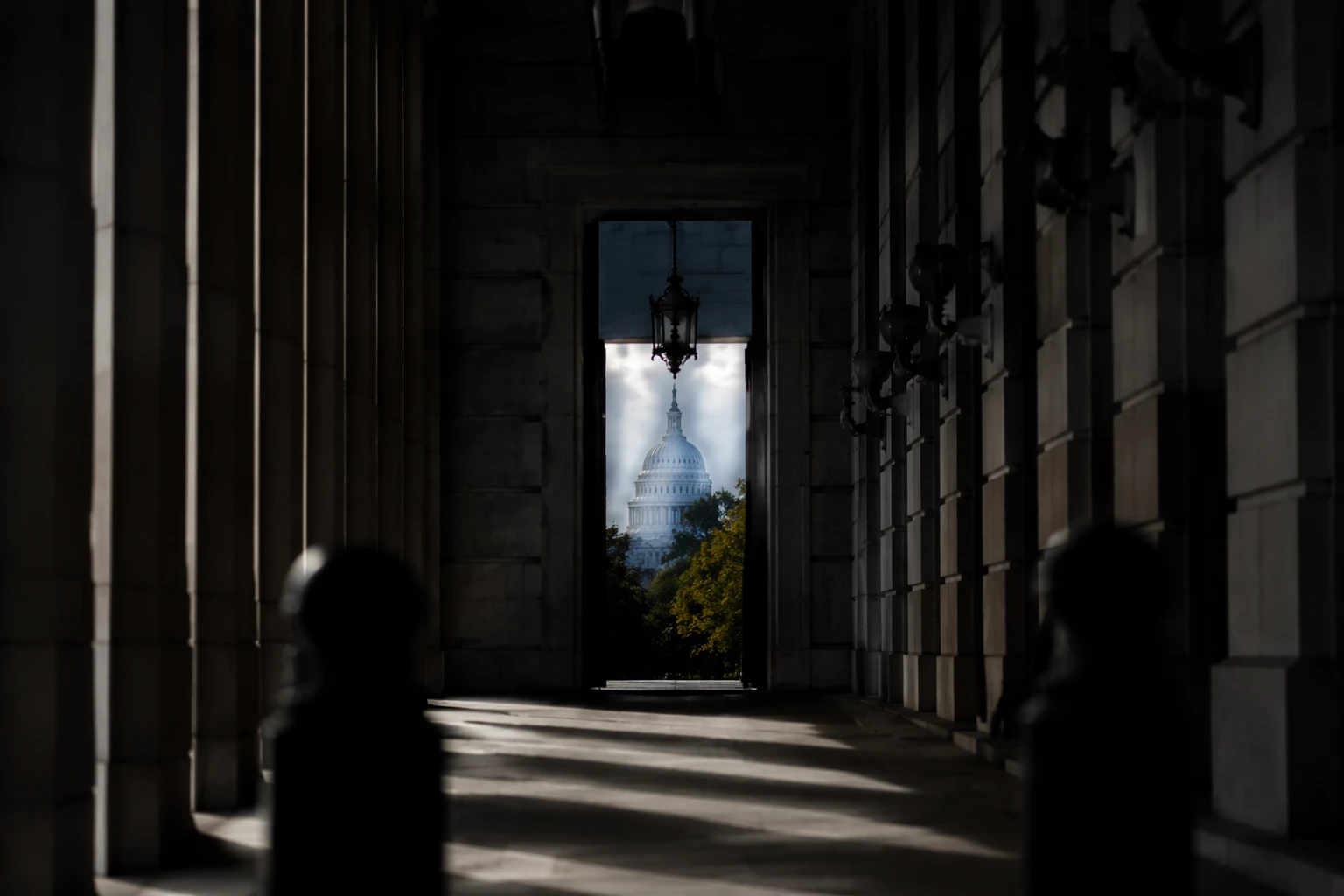
The lawsuit gives a court the first chance to rule on the reach of Section 546(d) in this administration’s clash with the judiciary. Trump has already fired several U.S. attorneys appointed by federal judges, and Rogoff is the first of those dismissed to sue over his removal. Reports said 17 federal judges were involved in the appointment process, underscoring how unusual and collective the district’s choice was.
Rogoff described the firing as “not unexpected, but disappointing.” In another interview, he called it the “Greatest hour in my life.” He retained an employment law firm and was weighing the legal fight that is now moving ahead, putting the Western District of Washington at the center of a separation-of-powers dispute that could outlast his 54-minute tenure.
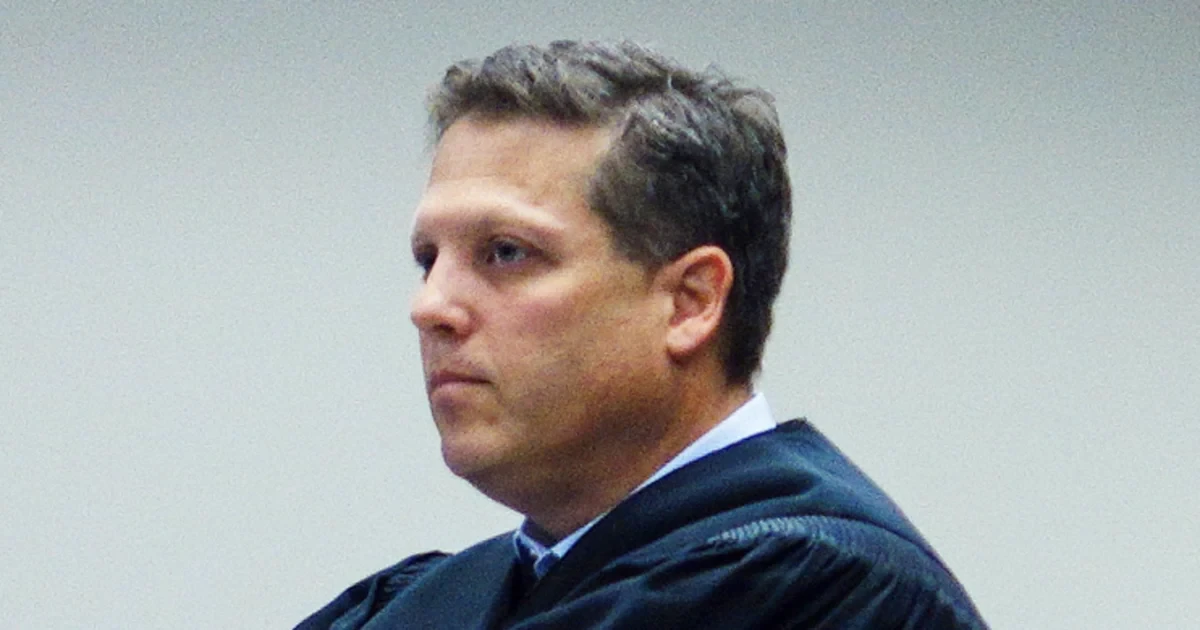
At issue is whether a president can remove a U.S. attorney appointed by district judges before a nominee is confirmed, and whether a court reading of Section 546(d) would constrain that power beyond Seattle. The ruling could affect how vacancies in U.S. attorney offices are handled across the country, especially in districts where judges have stepped in to keep the post filled while the Senate and the White House stall.
Sources
- [1]nbcnews.com
- [2]seattletimes.com
- [3]governing.com
- [4]reuters.com
- [5]apnews.com
- [6]kiro7.com
- [7]king5.com
- [8]youtube.com
- [9]thehill.com