Sports
First World Cup with your kid brings a new kind of joy
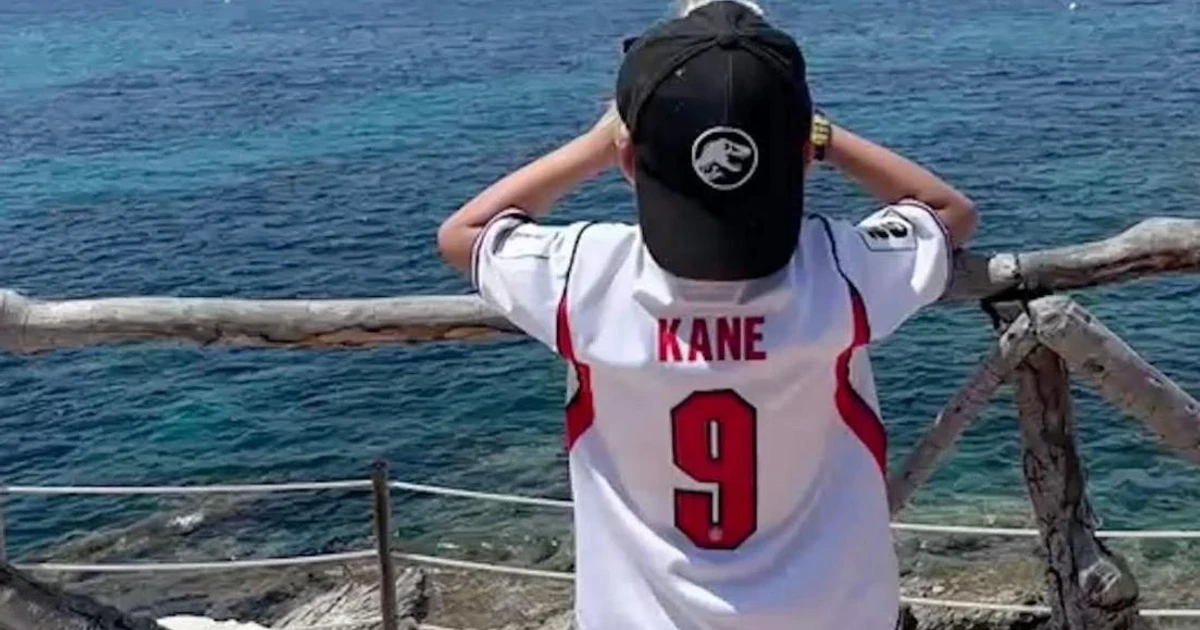
The first World Cup you watch with your child changes the tournament’s meaning. The goals are still goals, and the arguments still arrive in real time, but the event becomes something larger: a family ritual that teaches belonging as much as it rewards loyalty. For parents with no direct tie to the teams on the screen, the World Cup still offers a way to borrow a nation for 90 minutes and hand the memory to the next generation.
A global ritual that now lives in the nursery
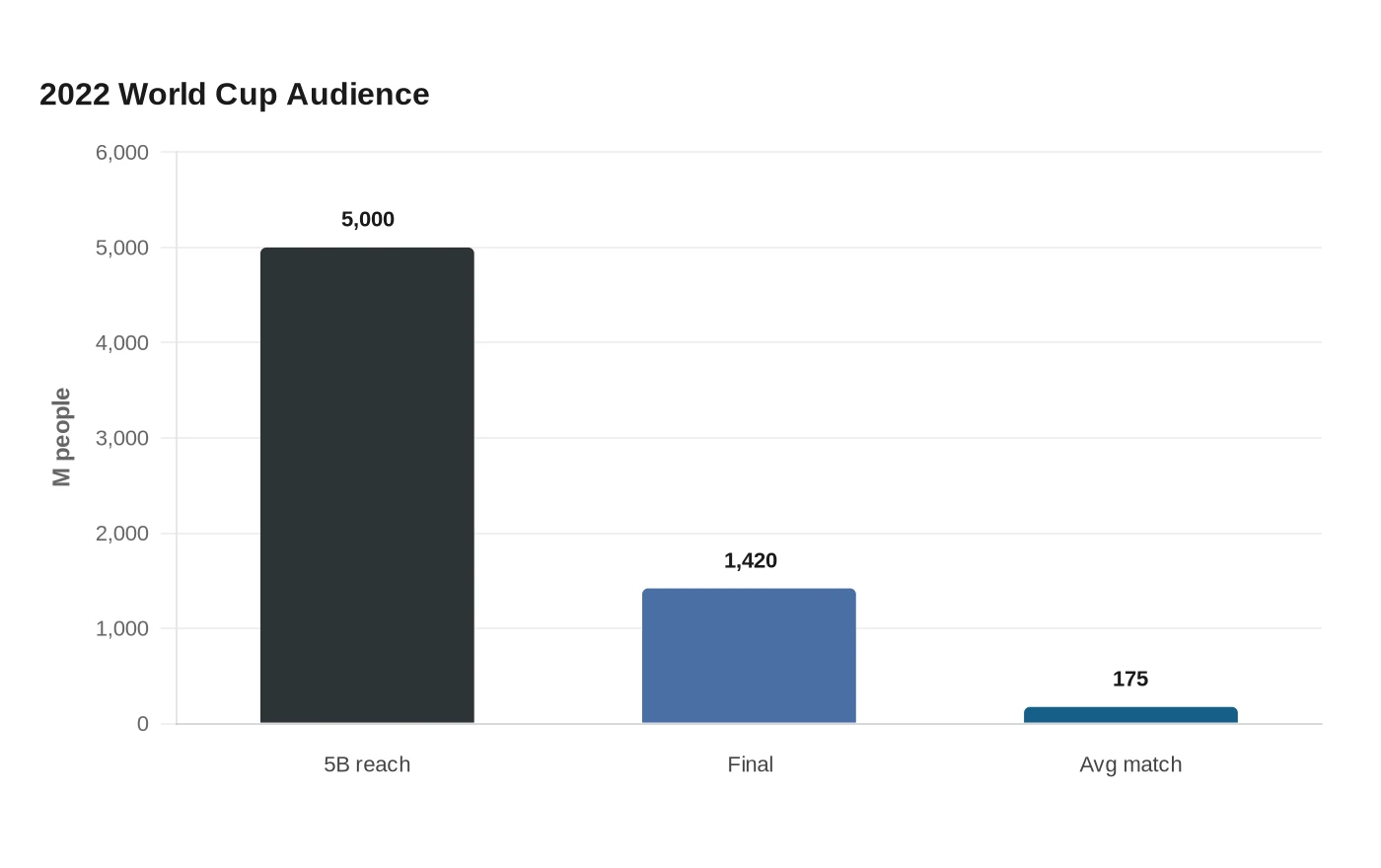
The appeal starts with scale. FIFA says around five billion people engaged with the 2022 World Cup across TV, digital, social media and FIFA platforms, and the Argentina-France final drew 1.42 billion viewers, the highest total ever for a single sporting event. The average global live audience for each match was 175 million, which helps explain why the tournament feels less like a discrete competition and more like a worldwide civic occasion.
That scale matters in the home as much as it does on the screen. The World Cup is one of the rare events that can sit beside bedtime, breakfast, school runs and soft-play sessions, then surface again at night as a goal, a save or a bad miss. For many parents, Qatar 2022 is remembered through a sleep-deprived haze, with life divided between the house, the playground and the television, while a child discovered the game in real time and asked the obvious, unfiltered questions that adults stopped asking years ago.
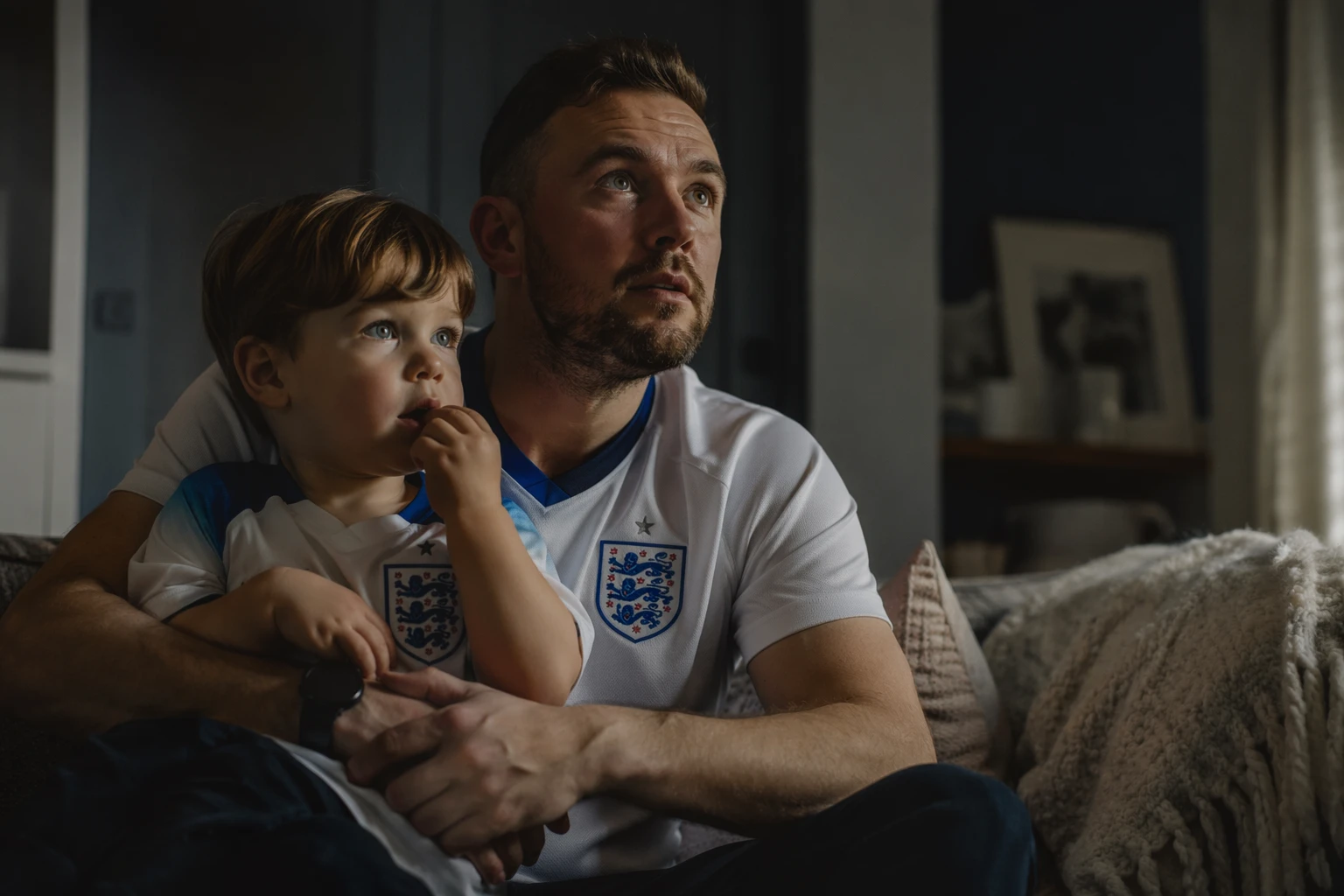
The emotional shift is not sentimental fluff. It is the difference between watching as a consumer and watching as a custodian. The first time you share the tournament with a child, every anthem, every badge and every replay becomes part of a lesson in how people form attachments to places they may never have lived in and teams they may never have seen in person.
Why the World Cup still reaches families with no national tie
That lesson is one reason the tournament holds power even for families without a direct connection to the competing countries. Argentina and France were not just the finalists in 2022, they became the faces of a shared global memory, with Lionel Messi and Kylian Mbappé anchoring a final that spread far beyond its own borders. The scale of that audience shows how the World Cup functions as a temporary common language, one that parents can pass on without needing a family passport stamp to justify it.
Children often understand that language before they understand the politics behind it. They latch onto the colours, the patterns of celebration, the chant after a goal and the certainty that a missed chance can become a household argument. The soundtrack may include a muttered "why didn't he square it?" but what it really carries is the first recognition that sport can produce a shared family calendar, one that ends summers with a wink, a shootout or a regret that lingers until the next tournament.
The 2022 figures also show why the event feels bigger than club football. An average live audience of 175 million per match means the World Cup is not just one more competition, but the one moment when distant viewers are synchronized across time zones and languages. That is what children inherit when they watch beside an adult: not simply a team to support, but an understanding that fandom can be communal, global and intensely local at the same time.
The 2026 tournament raises the stakes
The next World Cup will widen that sense of scale again. The 2026 FIFA World Cup will be the 23rd edition of the tournament, the first to feature 48 teams and the first hosted across three countries: Canada, Mexico and the United States. More teams mean more stories to adopt, more nights to clear on the calendar and more chances for a child to pick a side, then change it, then pick another.
That expansion also strengthens the tournament’s role as a family event. A larger field gives parents more opportunities to explain geography, migration, language and identity through the prism of football, without forcing the conversation. The World Cup becomes a guide to the world in miniature, and the child’s attention gives it fresh energy. A tournament that already reaches billions now has even more room to become part of family routine in homes that have no historical claim on the teams involved.
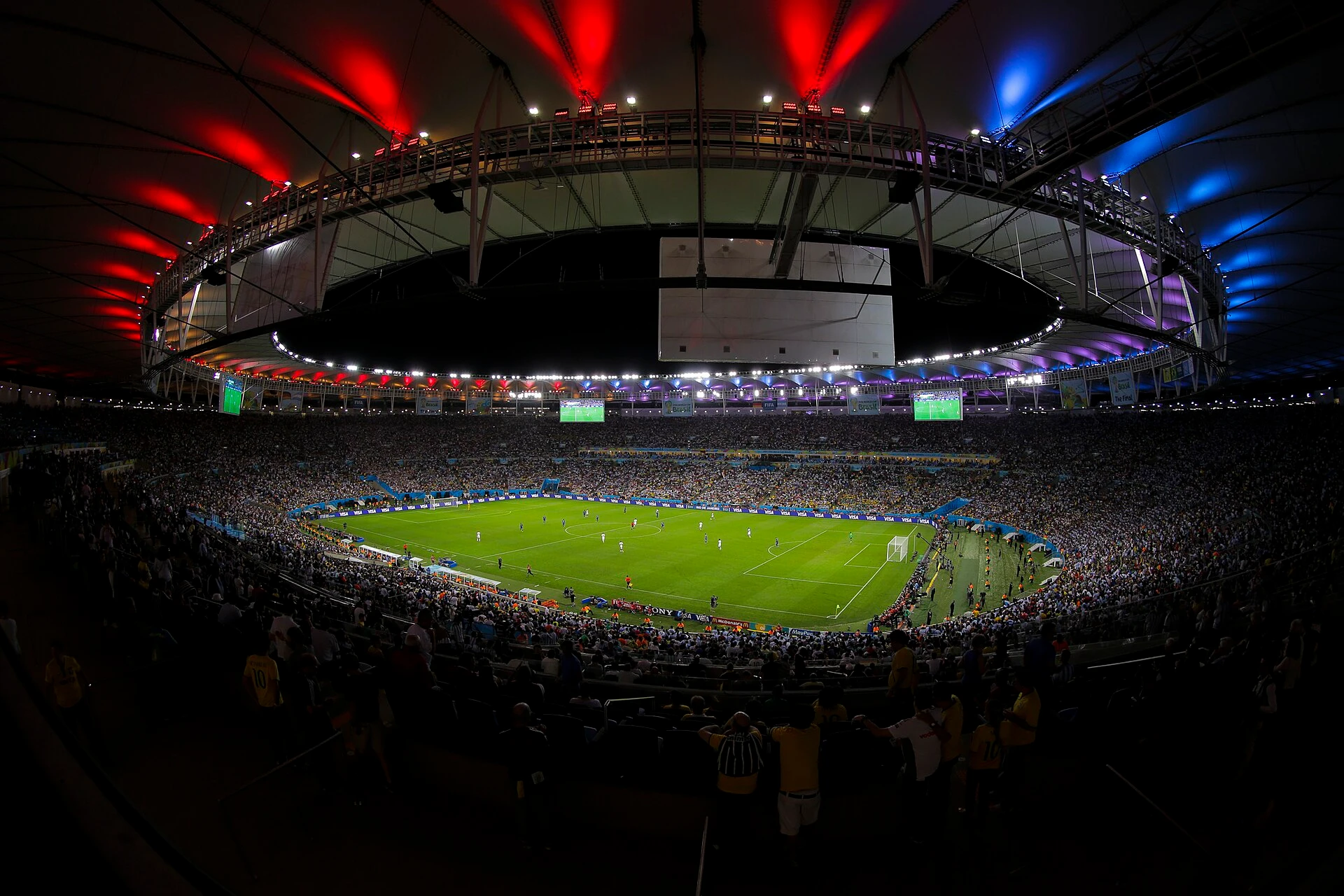
Why Sheffield makes the inheritance feel even older
Sheffield gives this story a deeper frame. Sheffield FC was founded on 24 October 1857, with its inaugural meeting held at Parkfield House in Highfield, Sheffield. The club’s rules of play were decided on 21 October 1858 and published the following year as the Sheffield Rules, which FIFA recognizes as the first detailed set of football rules published by a football club.
That history matters because it shows football was never only a modern broadcast product. In Sheffield, the game was being codified before it became a global television ritual, and the city’s football story helped shape the sport that families now inherit through screens and living rooms. The first inter-club derby between Sheffield FC and Hallam FC was played in 1860, and the Youdan Cup in 1867, staged under the Sheffield Rules, became the first organised football tournament in the world.
Seen from Sheffield, the World Cup’s power looks less surprising. The city’s place in football history makes the passing-down of the game feel concrete, not abstract: rules were written, clubs were formed, rivalries were staged and a public language of football began to take shape. That long memory is part of why a parent watching with a child can feel as though they are not just consuming a tournament, but joining a tradition that has been refined over generations.
What the first shared World Cup actually gives you
What changes, finally, is not the tournament itself but the family that receives it. A child does not care that the World Cup is an institution, only that it is vivid, noisy and worth staying up for. An adult sees something else too: a ritual that can be handed down without inheritance papers, one that binds belonging to memory rather than birthplace.
That is why the first World Cup with your kid carries such force. It turns a global competition into a family archive, and it reminds you that fandom is not only about where you are from, but about what you choose to share, year after year, until the next generation starts to believe the game is theirs as well.
Sources
- [1]bbc.com
- [2]inside.fifa.com
- [3]fifa.com
- [4]sheffieldfc.com
- [5]nationalfootballmuseum.com