Sports
Five fanbases lit up World Cup 2026 stadiums and fan festivals
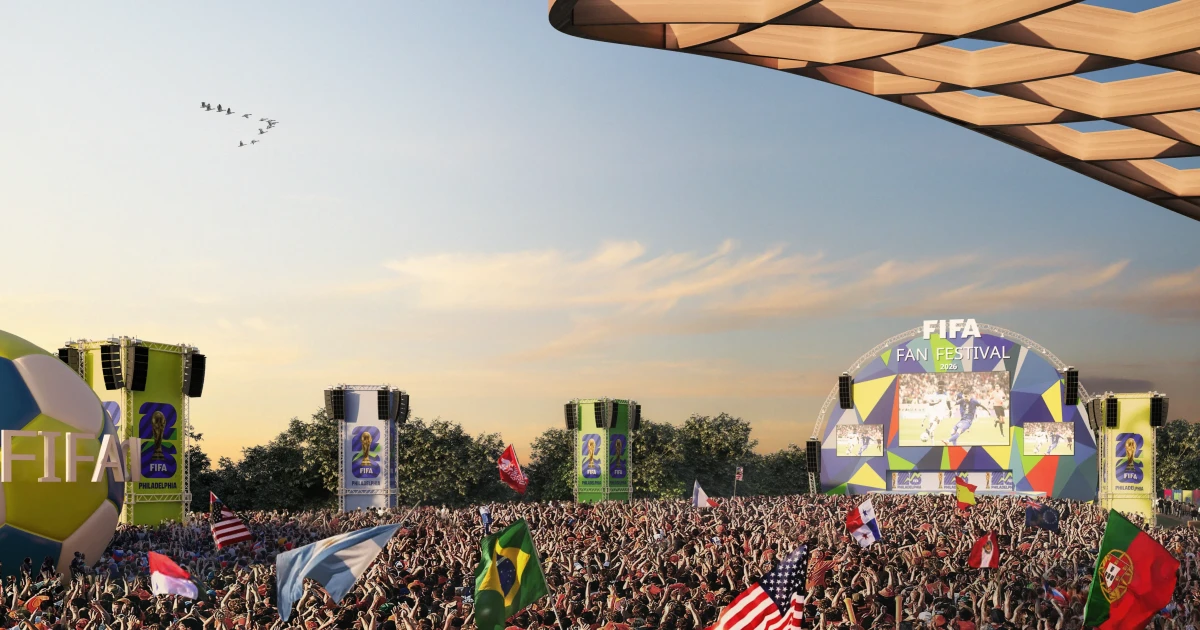
The biggest World Cup ever has already felt like a cross-border street festival. FIFA projected more than 6.5 million stadium fans across Canada, Mexico and the United States, and by the end of the group stage it had counted 4.6 million through the first 72 matches, 5.5 million at FIFA Fan Festivals, and supporters from 210 countries and territories; by July 8, FIFA said attendance had climbed above 6.25 million and stadiums were running at 99.7% occupancy. Gianni Infantino summed up the mood as "full stadiums, a passionate atmosphere and thrilling football."
Mexico
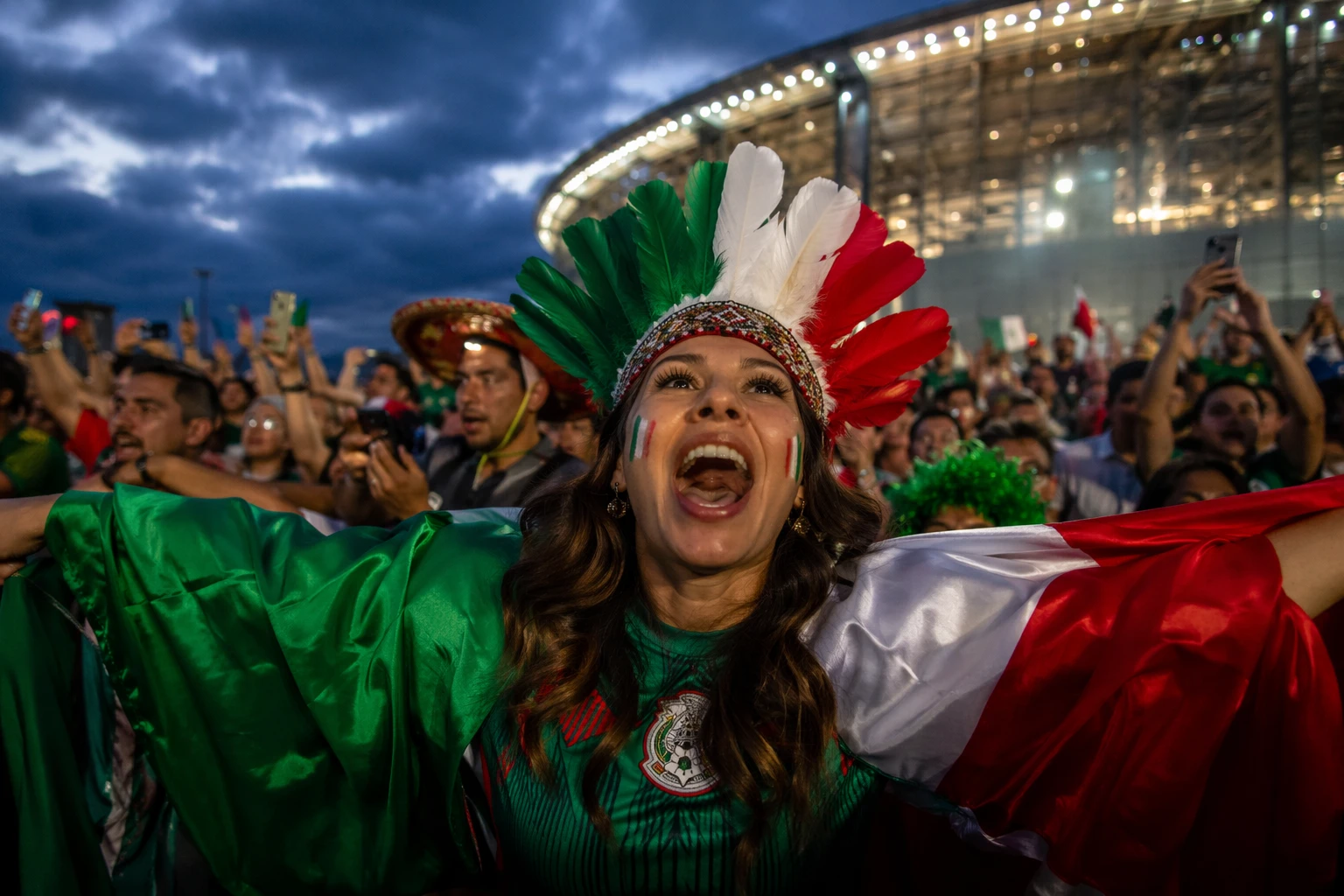
Mexico’s supporters gave the tournament its clearest home-field identity. Mexico City Stadium welcomed 80,824 spectators in each of Javier Aguirre’s three matches, with minimal visiting support and a crowd loud enough to revive the old language of the Mexican wave. At the same time, the Zócalo FIFA Fan Festival turned the capital’s civic center into a match-day stage from June 11 to July 19, pairing live music and gastronomy with giant-screen viewing. In a tournament spread across 16 host cities, Mexico made the capital feel like the edition’s fixed point.
Canada
Canada’s fans supplied a different image: a sea of red in Toronto that turned the opener into a civic rally. Luc de Fougerolles, Ismael Kone and Jesse Marsch saluted supporters after the 1-1 draw with Bosnia and Herzegovina, and FIFA described the buildup and the final whistle as electric, with fans pushing the team through every phase of the match. Toronto’s FIFA Fan Festival added its own signature with live broadcasts, local art, music, culture and food under the city’s World in a City theme, which fit the tournament’s broader role as a meeting point for local pride and global football.
United States
The United States crowd stretched the tournament across geography rather than a single terrace. Los Angeles Stadium hosted the hosts’ opening game and seven more matches, while the local World Cup experience expanded to the FIFA Fan Festival at the LA Memorial Coliseum and 10 official fan zones around the region; FIFA also staged host-city celebrations in places such as Houston and Philadelphia to anchor the event in American civic ritual. That spread makes the U.S. supporter story less about one famous stand and more about a nationwide network of viewing parties, public screenings and local festivals built around a tournament that runs through 16 host cities.
Brazil
Brazil remains the tournament’s most portable spectacle. In New York New Jersey, fans brought their customary colour and brightness to the stands, while FIFA noted that the Seleção continues to attract supporters far beyond its own borders, from Bangladesh to Lebanon, where yellow shirts, street gatherings and hospitality venues have become part of the World Cup ritual. Brazil also sat among the countries drawing the highest number of ticket applications before the draw, a reminder that its appeal is both emotional and commercial in a global event built on demand.
Scotland
Scotland’s Tartan Army gave the tournament one of its most vivid imported atmospheres. Boston pubs ran out of beer under a celebration built on kilts, bagpipes, red shirts and city-centre marches to Fenway Park, and the fan response was strong enough to push Boston toward a twinning agreement with Glasgow. That kind of takeover shows how the World Cup’s identity now depends as much on travelling supporter culture as on host-nation scale, especially in a first-ever expanded tournament that has already drawn 4.6 million through the first 72 matches, 5.5 million to Fan Festivals and more than 6.25 million fans to stadiums by July 8.
Sources
- [1]telemundo.com
- [2]fifa.com
- [3]inside.fifa.com