Health
Five Recover as Ebola Outbreak Response Intensifies in Africa
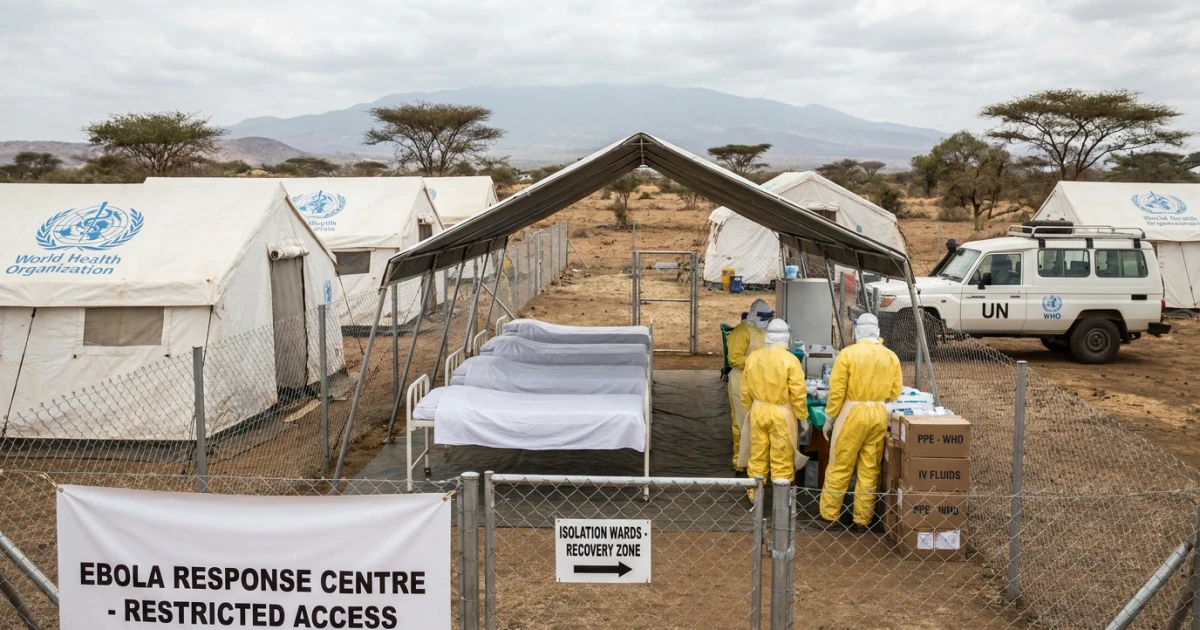
Five patients have recovered from the ongoing Ebola outbreak in Africa, the World Health Organization (WHO) chief confirmed this week, offering a sign of hope amid a public health crisis that continues to challenge regional and international health authorities.
WHO Reports Early Recoveries in Current Outbreak
The WHO announcement, reported by Forbes, marks the first significant recoveries since the latest surge of Ebola virus disease cases were confirmed in the region. The outbreak, which began earlier this year, has been closely monitored by global health agencies due to Ebola’s high fatality rate and potential for rapid transmission.
As of the latest updates, the number of confirmed cases and specific figures on fatalities remain under review, but the recovery of five patients suggests that containment and treatment efforts are beginning to yield results. WHO’s Global Health Observatory continues to track the situation, updating case numbers, recoveries, and regional spread as new data becomes available.
Challenges Facing Health Workers and Local Communities
Ebola outbreaks present unique challenges for health systems, especially in regions with limited infrastructure and resources. According to background information from the WHO Ebola Virus Disease fact sheet, the virus is transmitted through direct contact with bodily fluids and remains highly contagious even after death. This reality complicates community response and safe burial practices.
- Ebola’s average case fatality rate is approximately 50%, though it can vary from 25% to 90% in past outbreaks.
- The virus can be contained through rapid identification, isolation, supportive care, and effective contact tracing.
- Previous outbreaks have shown that early intervention and community engagement are critical in reducing transmission rates.
International Response and Ongoing Monitoring
The WHO and partner organizations are working to strengthen surveillance, support treatment centers, and provide resources for local health workers. The situation is evolving, with health authorities urging vigilance and continued reporting of symptoms in affected communities.
According to detailed situation reports from previous Ebola events, coordination between local and international agencies has been essential in curbing the spread of the virus. Lessons learned from earlier outbreaks, including the importance of rapid case detection and transparent communication, are being applied to the current response.
Understanding Ebola and Its Impact
Ebola virus disease is a severe, often fatal illness in humans, first identified in 1976. The CDC’s historical outbreak database shows that the largest outbreaks have occurred in West and Central Africa, with varying degrees of success in containment and recovery rates.
Key symptoms include sudden fever, fatigue, muscle pain, headache, and sore throat, followed by vomiting, diarrhea, rash, and in severe cases, internal and external bleeding. Effective treatment focuses on supportive care — rehydration and symptom management — as there is no definitive cure, though experimental treatments and vaccines have shown promise.
Looking Ahead: Vigilance Remains Critical
While the recovery of five patients is an encouraging development, experts caution that the situation remains fluid. Ongoing surveillance, community engagement, and adherence to safety protocols will be essential in preventing further spread of the virus. The WHO and its partners continue to urge the public to stay informed through official updates and to support containment efforts at every level.