US News
Flash floods and tornado watch hit New York, New Jersey
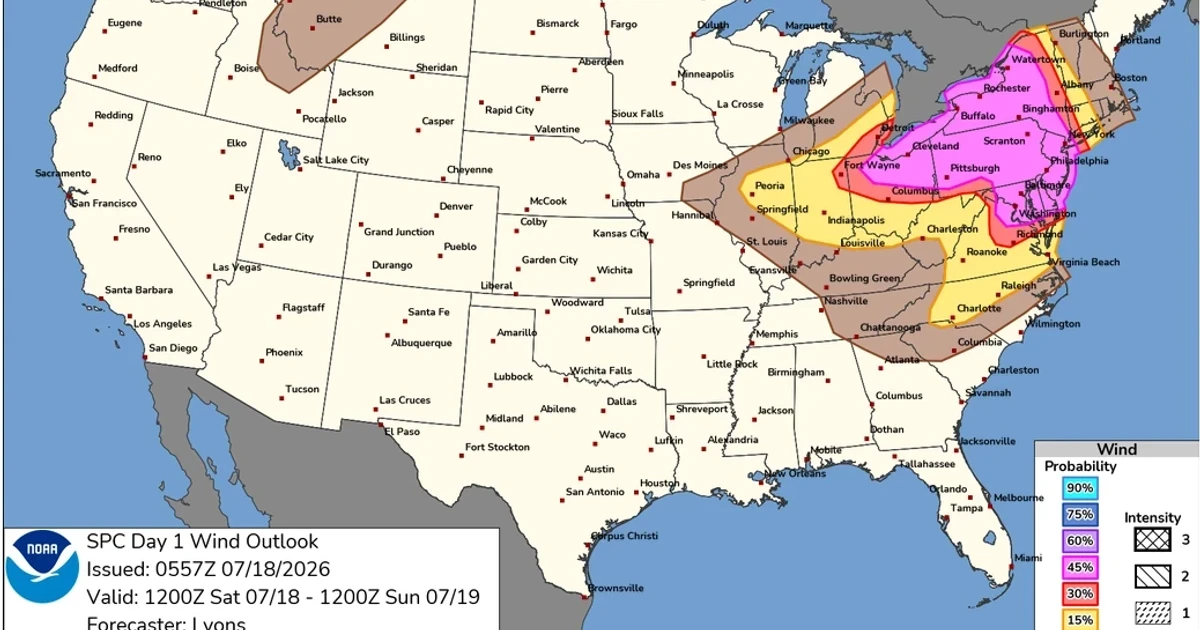
Flash flood warnings hit parts of New Jersey and New York City on July 18 as strong thunderstorms dumped drenching rain across the region, while a tornado watch added to the threat in New Jersey. New York City Emergency Management had already warned the day before in Weather Alert #27-26 that thunderstorms, gusty winds and localized flooding could arrive Saturday, and the National Weather Service said rainfall could come down at 1 to 2 inches per hour.
The weather service forecast widespread totals of 2 to 3 inches, with locally 4 inches or more, a pace that can overwhelm storm drains, overwhelm low-lying intersections and slow emergency response in the city’s most vulnerable neighborhoods. NJ.com said flood watch conditions covered 17 New Jersey counties, and flash flood warnings were posted for parts of New Jersey and New York City as thunderstorms trained over the corridor. That combination put commutes, road travel and short-distance transit trips at immediate risk, especially in urban, poor-drainage areas where runoff can accumulate fast.
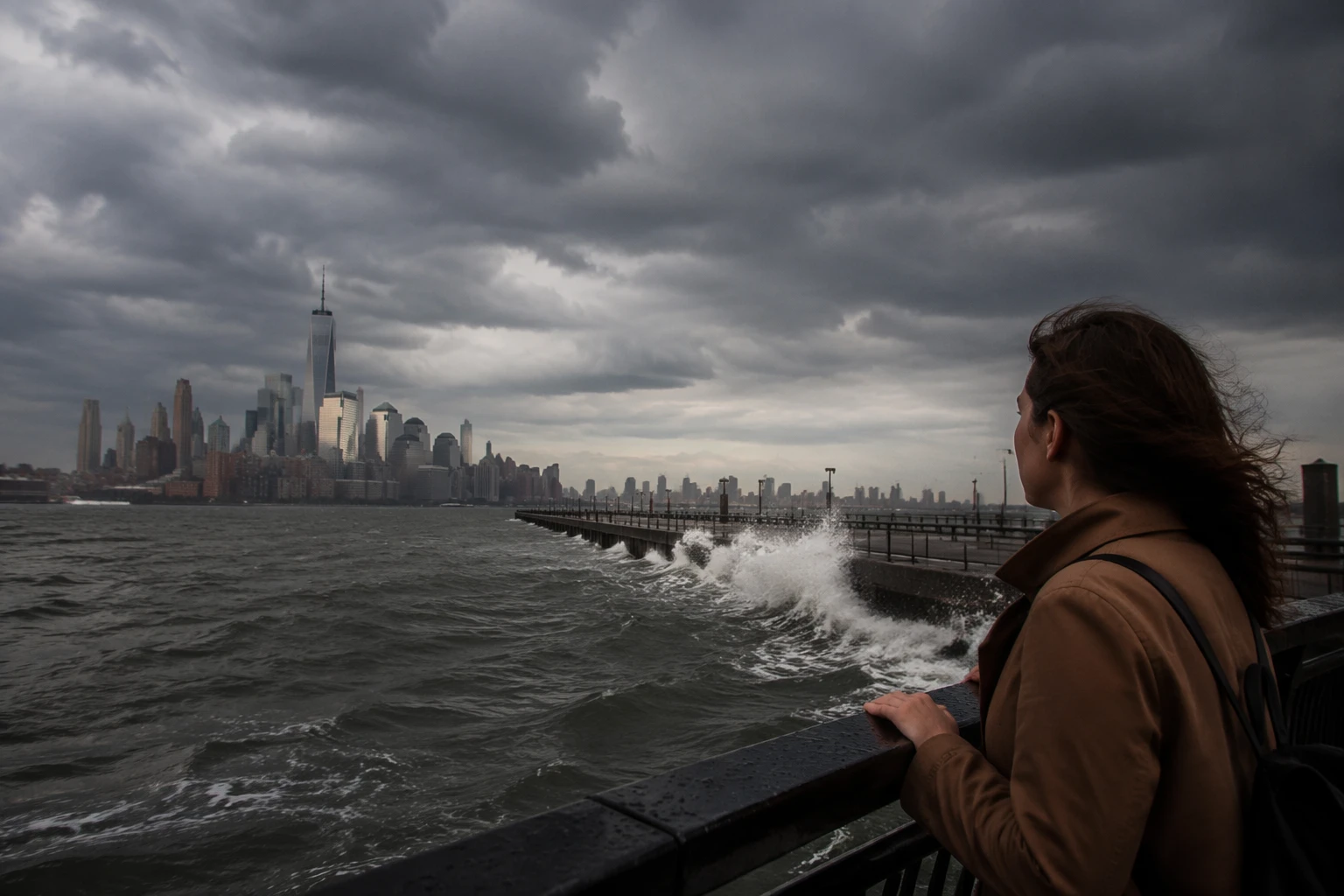
The danger came after another warning from New York City Emergency Management on July 5, when officials issued a travel advisory ahead of thunderstorms and localized flooding and warned of a potentially hazardous Monday morning commute. The July 18 storm threat landed in the same tri-state area while lingering wildfire smoke and bad air quality were still affecting New Yorkers, adding another layer of stress for people outside and for crews working along flooded streets and response routes.
The pattern was not confined to the metropolitan area. ABC News said more than 60 million people from Ohio to Massachusetts and Virginia were bracing for possible flash flooding on July 6, showing how quickly the same weather setup could stretch across the East Coast. In New York and New Jersey, the impact was immediate and local: brief, intense rain was enough to threaten street flooding, delayed travel and slower access for emergency responders in one of the country’s most infrastructure-heavy regions.
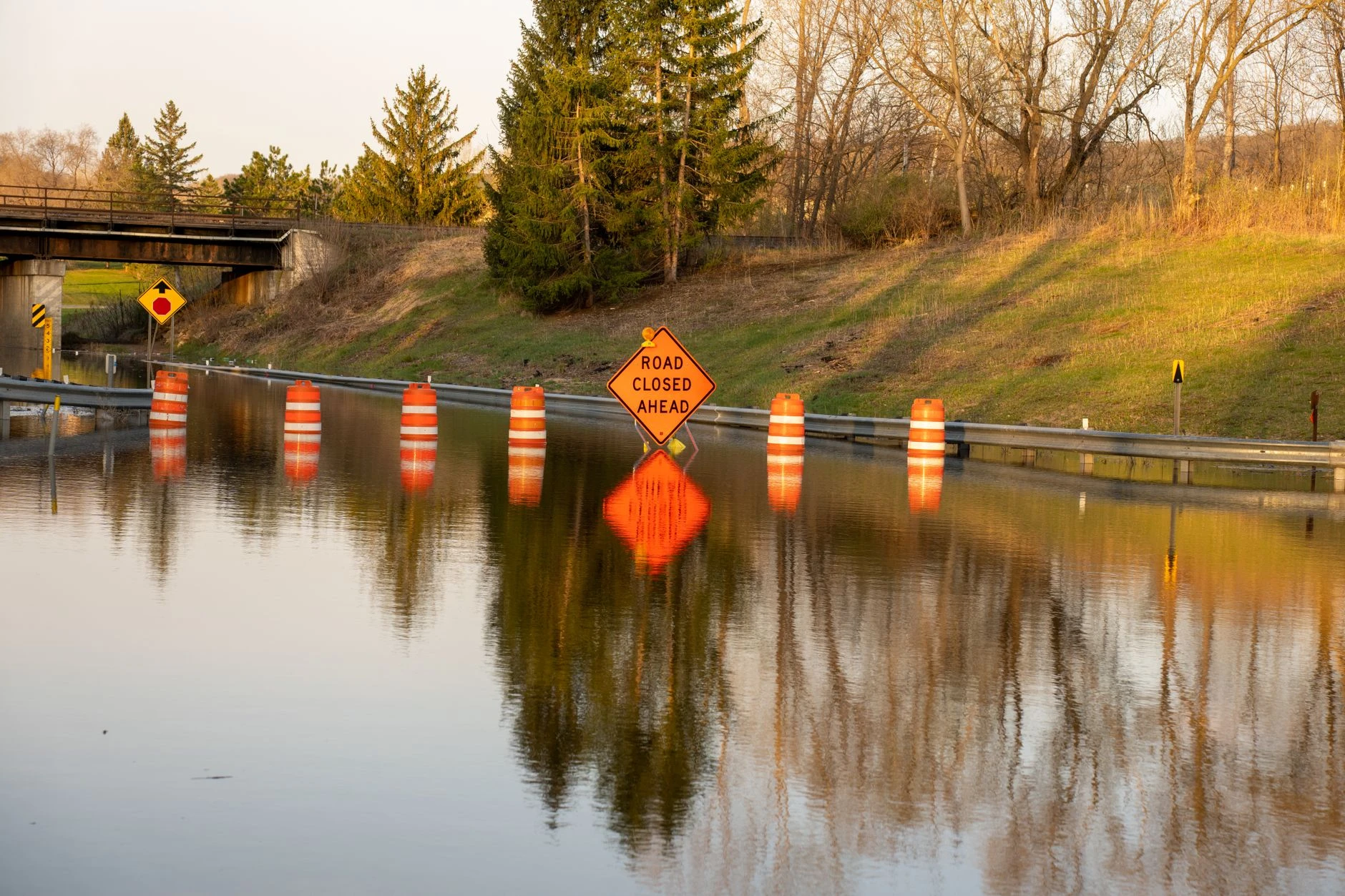
The July 18 warnings underscored how little time dense urban areas often have to absorb severe weather. When rain falls at 1 to 2 inches an hour and totals can reach 4 inches in spots, the vulnerability is not abstract. It shows up first in clogged roads, blocked commutes and neighborhoods that can lose access in minutes.
Sources
- [1]news.google.com
- [2]nyc.gov
- [3]forecast.weather.gov
- [4]weather.gov
- [5]nj.com
- [6]abcnews.com