Technology
Flock Safety faces backlash after cease-and-desist letter surfaces

A Newport Beach lecture series Instagram account posted a photo of what appeared to be a cease-and-desist letter from Flock Safety, setting off a fresh wave of backlash over the surveillance company’s tactics. The image landed in a debate already charged by worries about how Flock’s license-plate readers are used across the country.
Flock, founded in 2017, has become one of the largest players in automated license-plate surveillance. More than 5,000 law enforcement departments across the United States use Flock-connected cameras, and the company’s own marketing says more than 5,000 law enforcement agencies and more than 6,000 communities have chosen its platform.
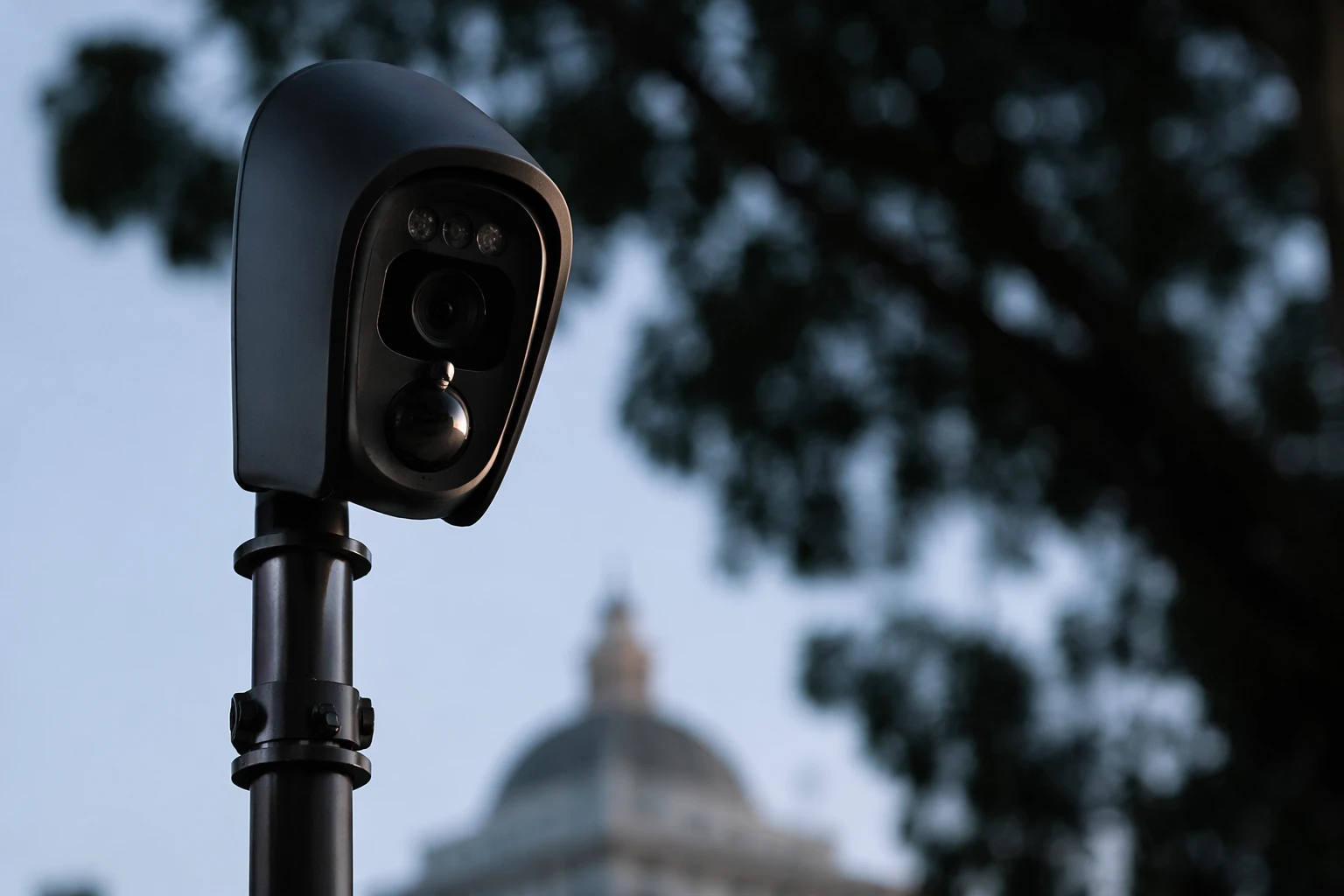
Civil-liberties groups say the system reaches far beyond simple plate scanning. The American Civil Liberties Union says Flock sells cloud-connected cameras to police departments and private customers nationwide, pulls the plate readings into its own servers, and allows police to run nationwide searches of the resulting database. The ACLU has also pointed to uses that include ICE-related searches and an abortion-related search in Texas as examples of how the network can be turned toward investigations far removed from routine traffic enforcement.
The Newport Beach episode also tapped into a dispute that has surfaced before. The Electronic Frontier Foundation documented a previous cease-and-desist letter Flock sent to Will Freeman, the creator of DeFlock.me, a project that tracks where Flock cameras are located. That history made the new letter, even in photo form, instantly combustible among activists who already see the company as trying to narrow public criticism of its work.
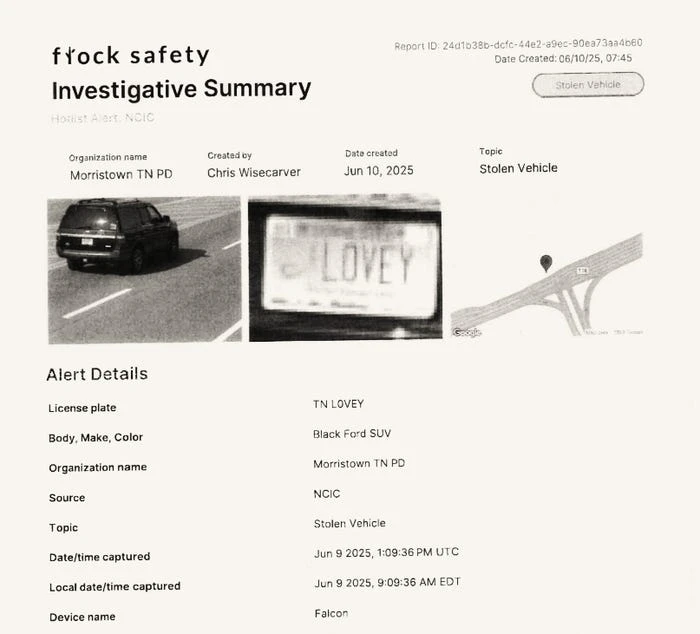
Flock rejected that framing and said it “welcomes and encourages public debate about our technology” and that it had not and would not seek to “discourage, prevent, or prohibit such discussion and debate.” The company’s denial did little to quiet the reaction, in part because activists in seven states have already been working to remove Flock cameras or limit their towns’ contracts.
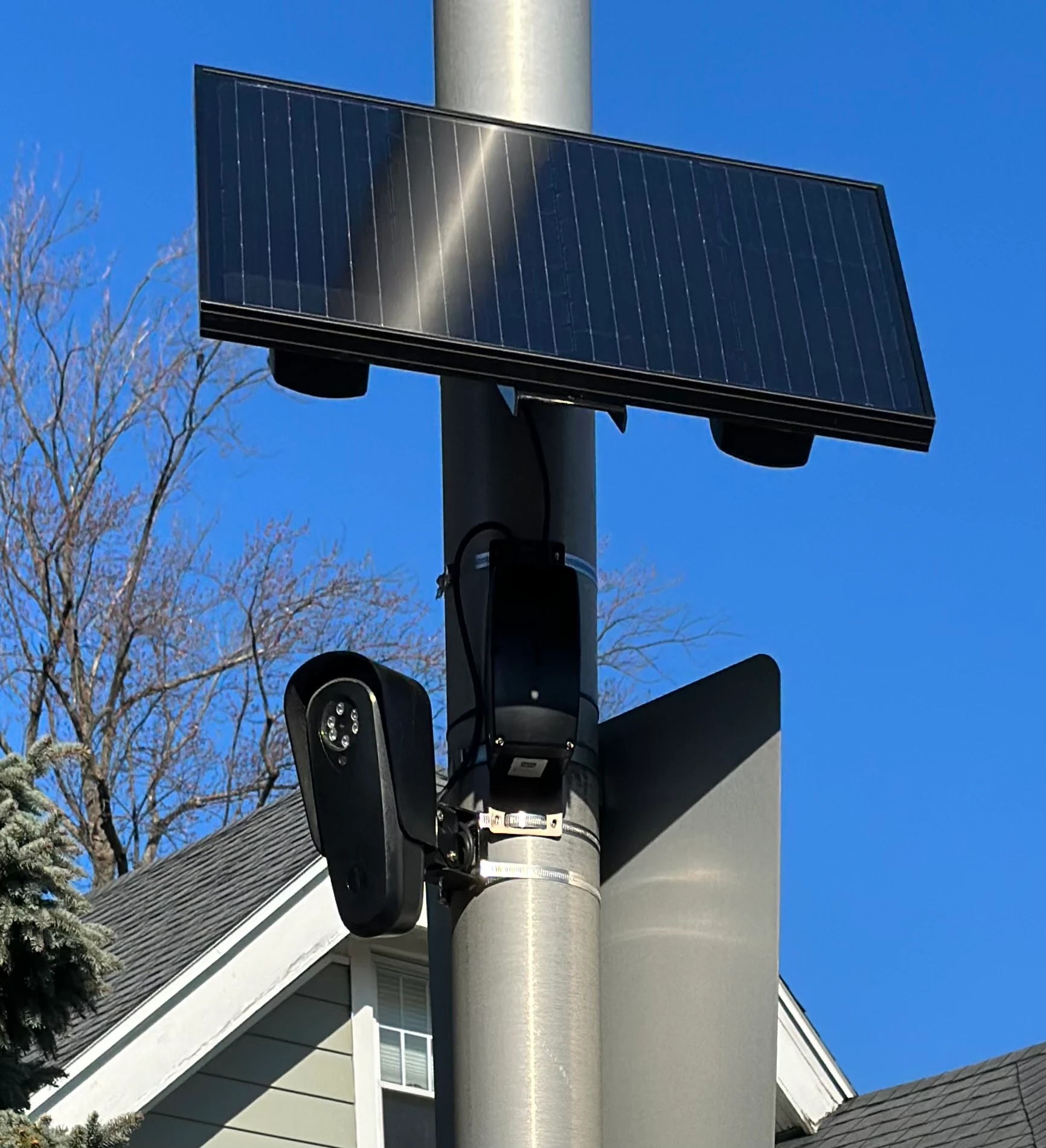
The controversy has become a test case for how fast suspicion can spread around a surveillance company once a document, even an ambiguous one, enters the public feed. In a climate where Flock’s cameras are embedded in thousands of departments and its database can be searched across jurisdictions, a single letter can be read as evidence of a broader effort to control the conversation around public surveillance.
Sources
- [1]theverge.com
- [2]nbcnews.com
- [3]aclu.org
- [4]eff.org
- [5]flocksafety.com