World
Flooding in Guangxi forces mass evacuations as Typhoon Maysak hits China
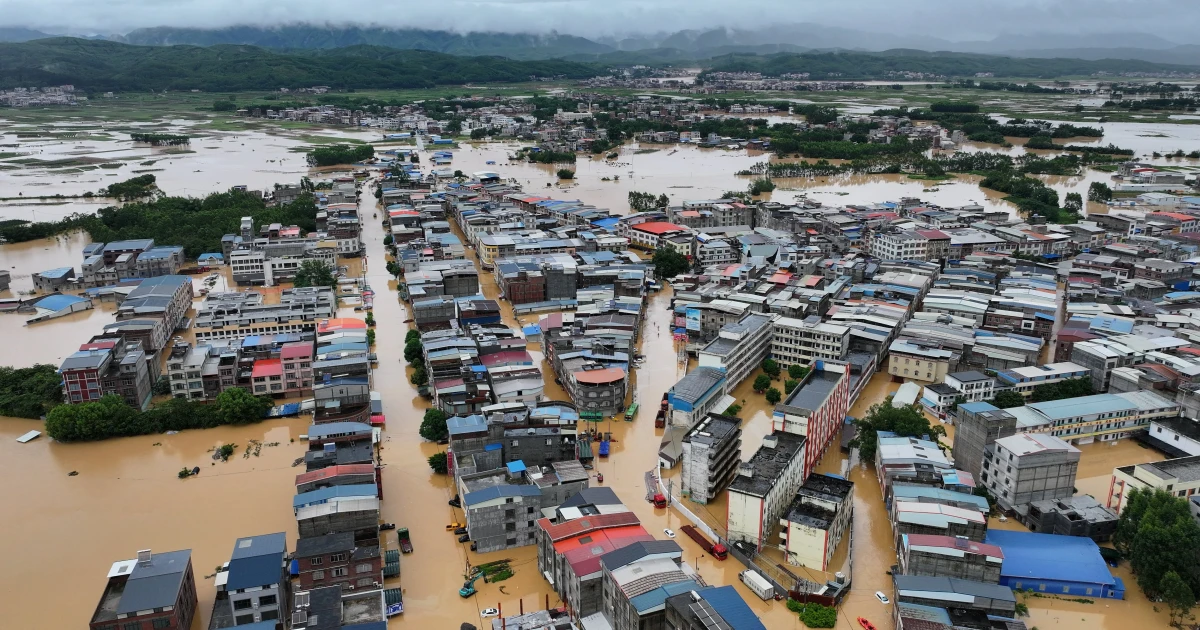
Nanning raised its flood-control emergency response to Level I from Level III as extremely heavy rain from Typhoon Maysak overwhelmed the Guangxi capital and forced mass evacuations. About 55,000 people were affected in the city, and roughly 48,000 were moved to safety as rivers and reservoirs swelled.
The storm weakened into a tropical storm as it moved inland over southern China, but the reduced wind did little to ease the flooding. Authorities said water was overflowing or breaking through barriers at three reservoirs in Nanning, and Xinhua said a drone photo showed floodwaters spreading through the downstream areas of the Liulan Reservoir after it was breached in Hengzhou, part of Nanning City.
China’s State Flood Control and Drought Relief Headquarters upgraded Guangxi’s flood-control emergency response to Level II, underscoring how quickly the weather emergency escalated across the region. In Guigang, a Reuters-verified social media video showed floodwaters turning a wide road into a lake and cascading into a building site, a picture of how flash flooding can choke transportation links and construction zones long before waters recede.
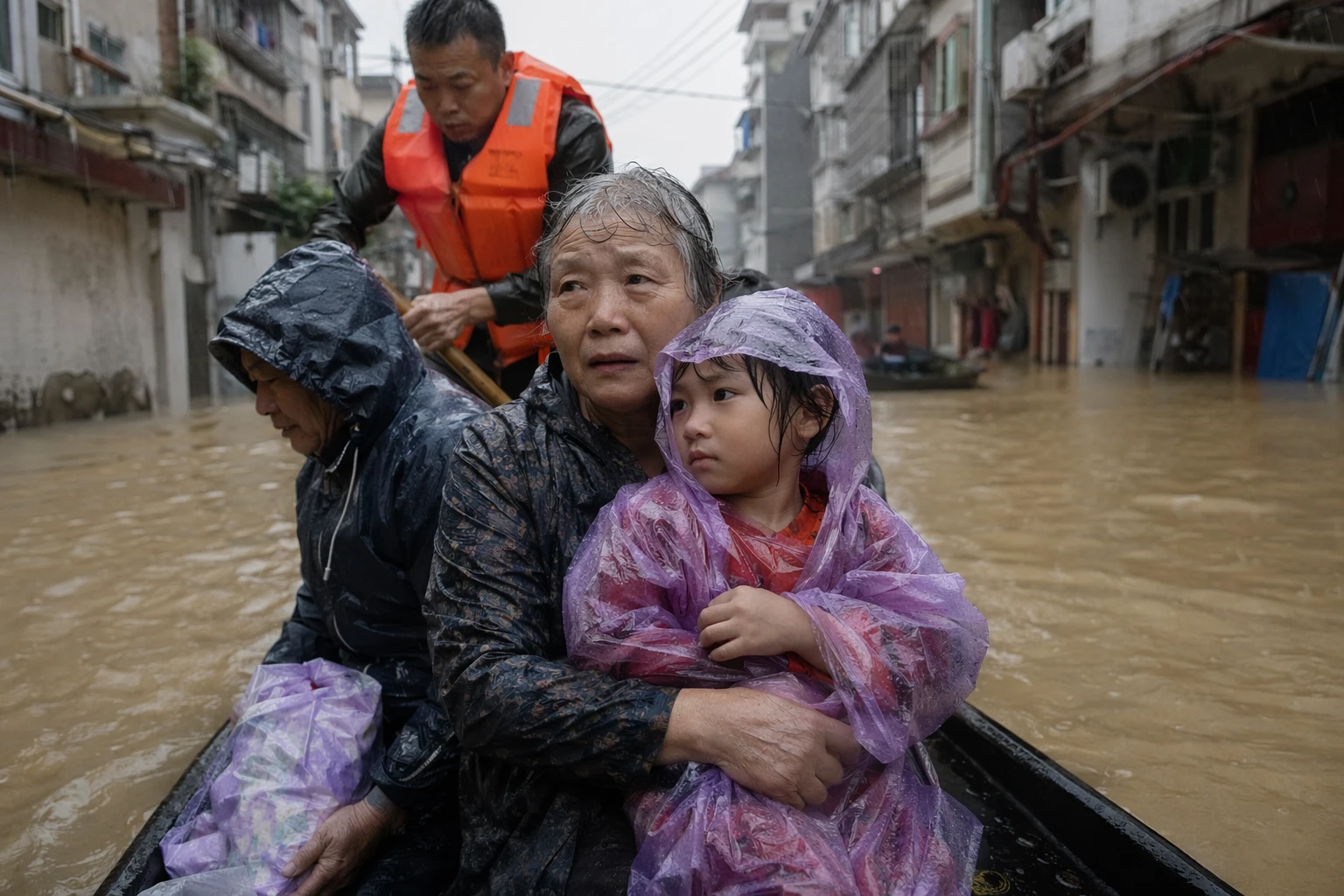
The damage in Nanning was not limited to infrastructure. At least two people died in the city as the storm crossed Guangxi, adding to pressure on evacuation systems already stretched by rising water and the risk of further rainfall. With farmland, roads and buildings all inundated, the disaster exposed how a single storm can trigger cascading failures across a densely populated province.
The flooding also arrived as China faced the threat of more severe weather this week. The compound risk recalled the 2020 flood season, which NASA’s Earth Observatory described as the worst since at least 1998. By the end of June that year, flooding had displaced 744,000 people across 26 provinces, and by Aug. 13 the toll had climbed to 63.46 million people affected, with direct economic losses of 178.96 billion yuan, according to figures cited by NASA.
Sources
- [1]nytimes.com
- [2]currently.att.yahoo.com
- [3]english.news.cn
- [4]news.rthk.hk
- [5]science.nasa.gov
- [6]reuters.com