Health
Florida man faces delays getting heart transplant medications after plan switch
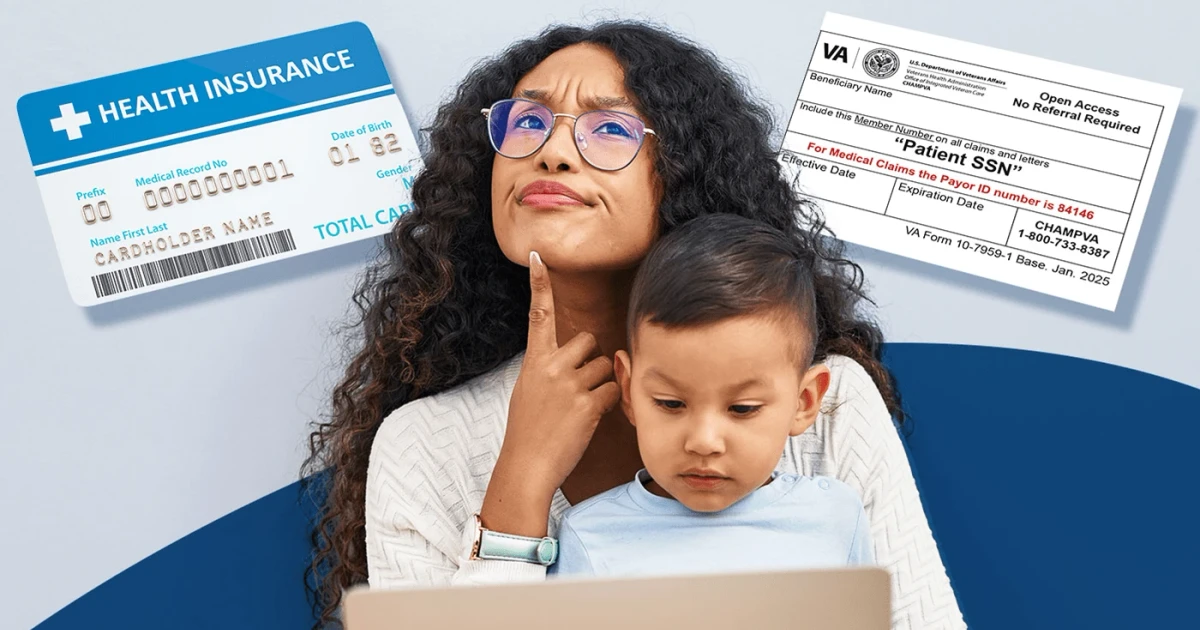
Blackman ran into repeated delays getting the anti-rejection medications that protect his transplanted heart after his primary coverage switched to CHAMPVA, a plan the family chose because it carried no monthly premium and a $3,000 deductible. The coverage became active in January, but the transition was far from seamless.
Smith said they believed they had prepared the change carefully. Instead, Blackman faced repeated obstacles getting approval for the drugs he needed after his heart transplant, a problem that turned an insurance swap into a medical risk. The medications are not optional maintenance. Missing even a few days can trigger severe and life-threatening heart problems.
CHAMPVA, the Civilian Health and Medical Program of the Department of Veterans Affairs, is intended for spouses, dependent children and survivors of veterans who meet certain service-connected disability requirements. The VA says eligible family members may qualify for health care benefits through the program. In Blackman's case, the promise of lower costs collided with the administrative reality of a new plan, different drug rules and the delays that can come with prior authorization.
That collision is at the center of this case. A switch that looked financially sensible on paper created a gap in access to life-sustaining prescriptions once the new coverage was in force. For patients who depend on transplant medications, the stakes are immediate. A short interruption can put the transplanted organ at risk and quickly escalate into an emergency.

The problem also fits a broader coverage pattern health-policy reporters have documented: consumers can be moved between Affordable Care Act plans without their express permission, sometimes leaving them unable to keep the same doctors or fill the same prescriptions. Julie Appleby and other reporters at KFF Health News have described how these plan changes can cut people off from established care even when the switch is meant to preserve or simplify coverage.
Blackman’s case shows how federal-private handoffs can fail when formularies, authorization rules and enrollment changes do not line up. A plan marketed as affordable can still become costly in another way, through time, uncertainty and the danger of waiting for medication that cannot wait.
Sources
- [1]cbsnews.com
- [2]va.gov
- [3]kffhealthnews.org