Politics
Florida sues TikTok over child safety, seeks damages and reforms
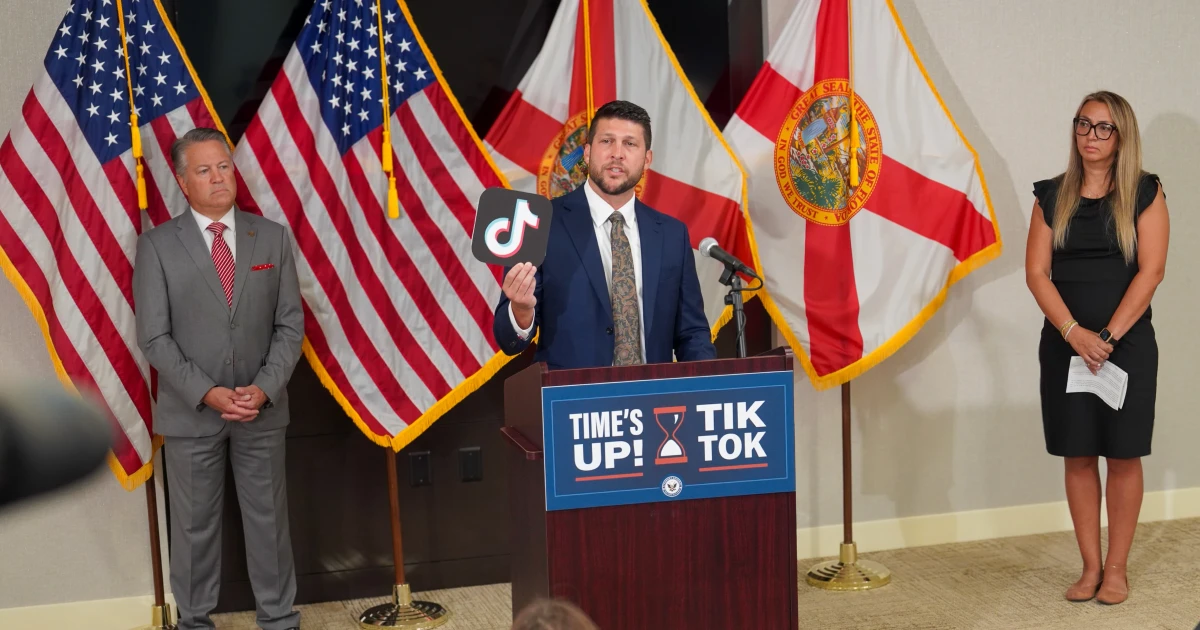
Florida’s lawsuit against TikTok turns a familiar political promise into a test of whether states can force social-media companies to redesign products that allegedly prey on minors. In a case filed June 15, 2026, in state court in St. Lucie County, Attorney General James Uthmeier accused TikTok and its parent company, ByteDance, of violating Florida’s online child protection law and deceiving parents about the app’s risks.
The complaint says TikTok allowed children under 14 to create accounts and let some 15- and 16-year-olds sign up without the parental consent required by Florida law, which took effect on January 1, 2025. Florida also alleges the company misled parents about the safety of content on the app, actively targeted minors, and used addictive design features to maximize engagement and profits.
Uthmeier cast the case as part of a broader campaign to protect children from harmful online platforms. He has said TikTok “knowingly deceives parents,” and has framed the action as a consumer-safety fight as much as a child-protection case. He has also suggested the damages exposure could reach into the billions, underscoring the scale of the threat Florida says it sees in the platform’s business model.

Florida is asking the court for damages, an order forcing TikTok to change its practices, and a declaration that the app is a public nuisance. That combination matters. Damages would punish past conduct, while an injunction could force product changes that go beyond Florida’s borders if the company chooses to standardize compliance nationwide rather than run separate systems for different states.
The case lands amid intensifying state scrutiny of social media companies over youth safety, screen addiction, and what regulators describe as deceptive platform practices. For parents, the immediate question is whether state attorneys general can do what Congress has not: push platforms to verify ages more aggressively, enforce parental consent rules, and strip out design features accused of keeping children hooked. If Florida prevails, the lawsuit could become a blueprint for other states seeking to hold large tech companies accountable for the way their products are built and sold to families.