Politics
Florida Voters Challenge Gov. DeSantis’ Mid-Decade Congressional Redistricting in Court
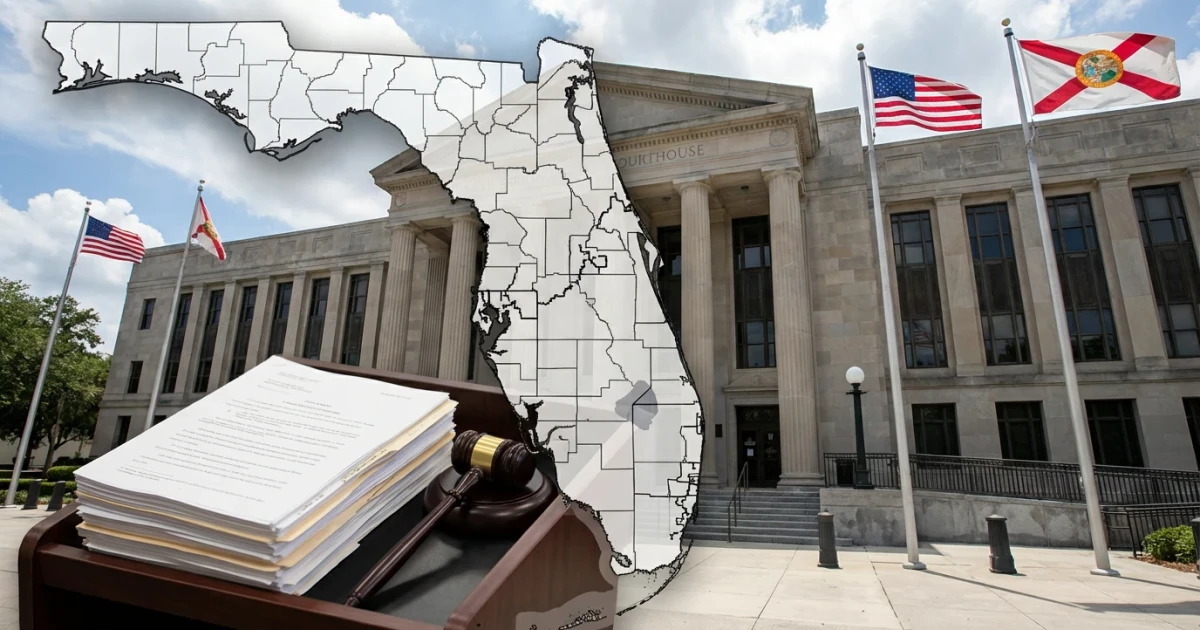
Florida’s political landscape is once again under scrutiny as a group of voters has filed a lawsuit seeking to block Governor Ron DeSantis’ mid-decade congressional redistricting. The legal action, coming amid heightened national attention on redistricting battles, raises questions about electoral fairness, political power, and the timing of legislative map changes.
The Lawsuit: Voters Push Back Against New Maps
According to reports from Florida Politics, a coalition of voters is challenging Governor DeSantis’ effort to redraw congressional boundaries outside the traditional ten-year cycle. The lawsuit contends that the mid-decade redistricting disrupts established norms, potentially undermining the stability and fairness of elections in Florida.
- Redistricting is typically conducted every ten years following the U.S. Census, ensuring districts reflect population shifts.
- Governor DeSantis’ initiative seeks to alter congressional districts before the next scheduled redistricting cycle.
- The plaintiffs argue this move could unfairly affect voter representation and the balance of political power.
Political and Legal Implications
The lawsuit highlights growing tensions in Florida over the redrawing of political boundaries. Mid-decade redistricting is rare and often controversial, as it can be seen as an attempt by those in power to gain a political advantage. The plaintiffs’ challenge brings into focus the broader debate over gerrymandering and the integrity of the electoral process.
- Legal experts note that courts have historically been cautious about allowing redistricting outside the regular census cycle.
- Opponents of the new maps claim that mid-decade changes could erode public trust in the electoral system.
- Supporters of the Governor argue the new maps are necessary to address population shifts and legal challenges to previous boundaries.
What’s at Stake for Florida Voters?
The outcome of this lawsuit could have significant consequences for Florida’s congressional representation and the balance of power in future elections. If the courts side with the voters, the state may be required to revert to its previous district maps or develop an alternative approach in line with established procedures.
- Congressional maps directly impact which party wins seats in the U.S. House of Representatives.
- Redistricting controversies in Florida have historically shaped national politics, given the state’s large and diverse population.
- This case could set a precedent for other states considering similar mid-decade redistricting efforts.
Looking Ahead
As the legal process unfolds, Florida’s political players and voters alike will be watching closely. The case underscores the ongoing tug-of-war over who gets to draw the lines that define American democracy. With the 2026 elections on the horizon, the resolution of this lawsuit could influence not only Florida’s future but also national politics.