Science
Florida Weather Poses Challenge for Artemis II Launch Countdown
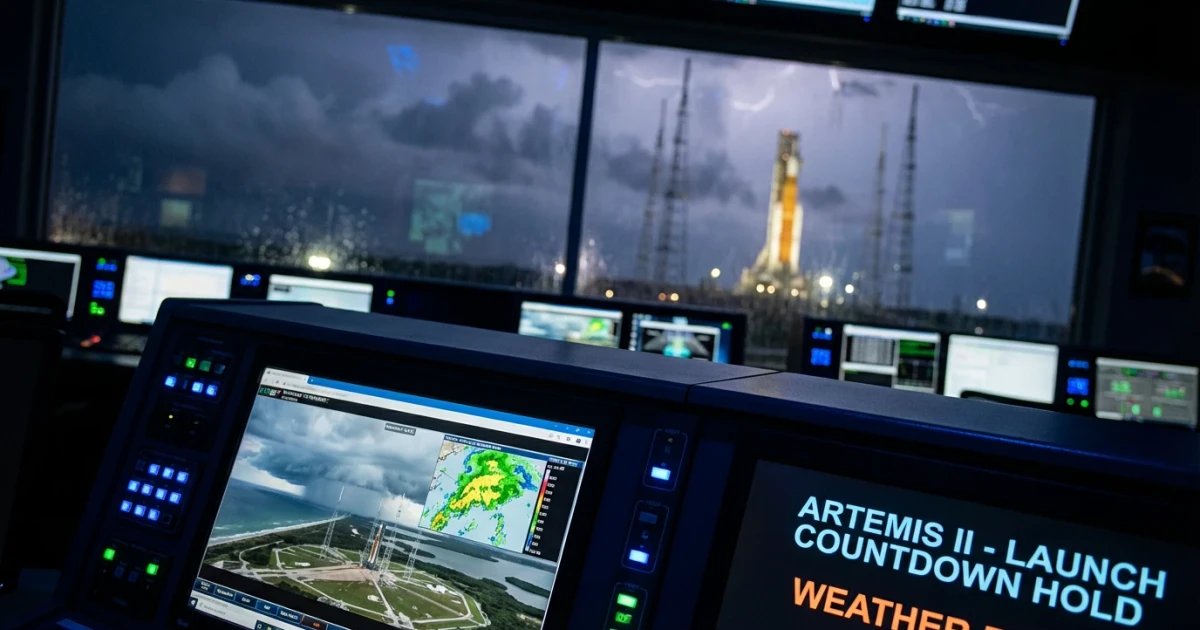
NASA’s highly anticipated Artemis II mission faces growing uncertainty as the official launch countdown begins, with Florida’s weather emerging as a potential hurdle to liftoff. The mission, which marks NASA’s first crewed lunar flyby in more than five decades, is drawing intense public interest as engineers, astronauts, and weather forecasters work around the clock at Kennedy Space Center.
Countdown Begins, Weather Under Watch
On Sunday, NASA initiated the formal countdown sequence for Artemis II, a pivotal step in the Artemis program aimed at returning humans to the Moon. According to FOX Weather, launch teams are closely monitoring meteorological conditions, as Florida’s spring weather patterns frequently pose risks for rocket launches. The National Weather Service’s Spaceport Weather forecast indicates an evolving outlook, with scattered showers and variable winds that could impact the Artemis II schedule.
- Artemis II is slated to be the first crewed mission of NASA’s Artemis program, sending four astronauts around the Moon and back to Earth.
- According to NASA’s official crew roster, the mission includes Commander Reid Wiseman, Pilot Victor Glover, Mission Specialist Christina Koch, and Canadian astronaut Jeremy Hansen.
- The mission fact sheet notes a target duration of about 10 days, with a nearly 6,400-mile distant lunar flyby.
How Weather Affects Rocket Launches
Florida’s climate is both an asset and a challenge for space launches. The region’s proximity to the equator allows rockets to take advantage of Earth’s rotation, but spring and summer storms can lead to last-minute delays. Fox Weather’s live updates highlight the primary risk factors for Artemis II:
- Lightning potential in the area, which can ground launches for safety.
- Thick cloud cover, which may violate launch criteria.
- Wind speeds at various altitudes, as measured by weather balloons and radar.
According to NOAA space launch weather data, historical records show that about 30% of launches during this season face weather-related delays, underscoring the importance of daily briefings.
Mission Status and Next Steps
Nasa’s official Artemis mission status updates confirm that all spacecraft systems have passed final inspections and the crew remains healthy and ready for flight. As of Sunday afternoon, the launch window remains open, but the final go/no-go decision will be made just hours before liftoff, pending the latest weather models and real-time observations.
- The Artemis II mission represents a crucial step toward the planned Artemis III lunar landing later this decade.
- Nasa has established backup launch windows to accommodate short-notice weather or technical delays.
What’s at Stake
The Artemis II mission is a cornerstone of NASA’s broader goal to establish a sustainable human presence on and around the Moon. Success will pave the way for more ambitious missions, including potential Mars exploration. The outcome of this launch, whether it proceeds as scheduled or is delayed, will be watched closely by space agencies and the public worldwide.
As the countdown continues, all eyes will remain on Kennedy Space Center and the evolving Florida skies. NASA and its partners stand ready to adapt to conditions, prioritizing crew safety and mission success above all. For ongoing updates and technical details, readers can follow NASA’s live Artemis mission status page and official weather forecasts.