Politics
Flávio Bolsonaro seeks delay of Trump tariffs until Brazil election
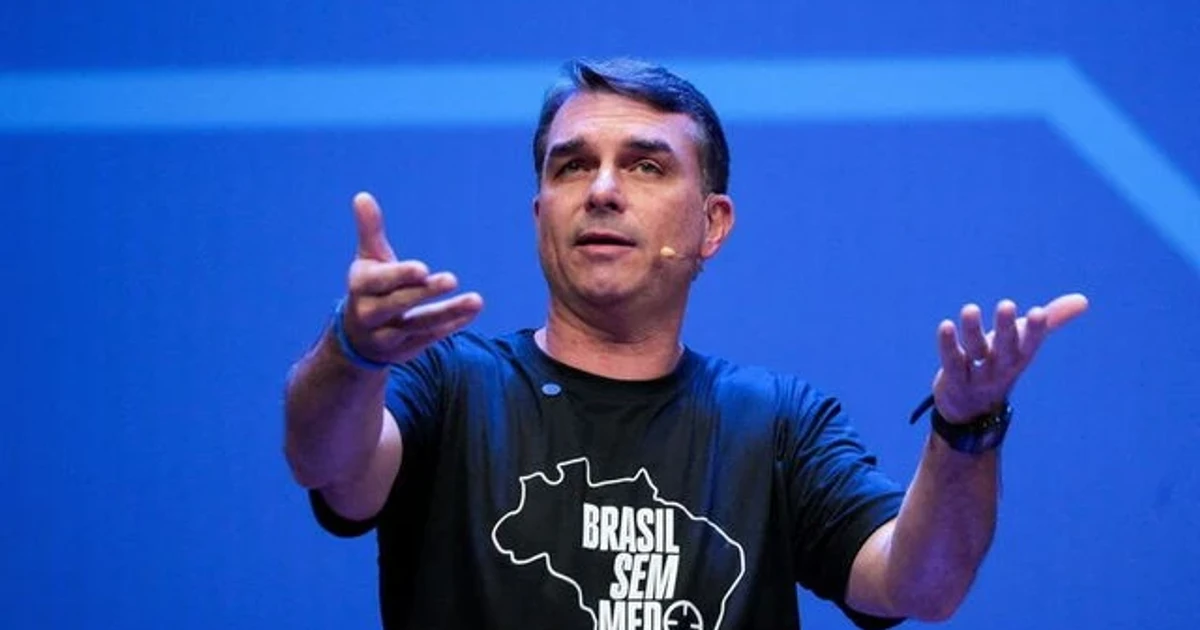
Flávio Bolsonaro asked the Trump administration to delay a proposed 25% tariff on Brazilian goods for 180 days, arguing that the decision should wait until after Brazil’s October election. The senator, son of former president Jair Bolsonaro, was set to press that case at a hearing in Washington on Monday.
The U.S. Trade Representative determined on June 1 that Brazil’s practices in six areas were actionable under Section 301: digital trade and electronic payment services, unfair preferential tariffs, anti-corruption enforcement, intellectual property protection, ethanol market access and illegal deforestation. USTR proposed a 25% tariff on many imports from Brazil, set written comments due July 1, scheduled the public hearing for July 6 and set the statutory deadline for responsive action for July 15. The agency launched the investigation on July 15, 2025, at President Donald Trump’s direction.
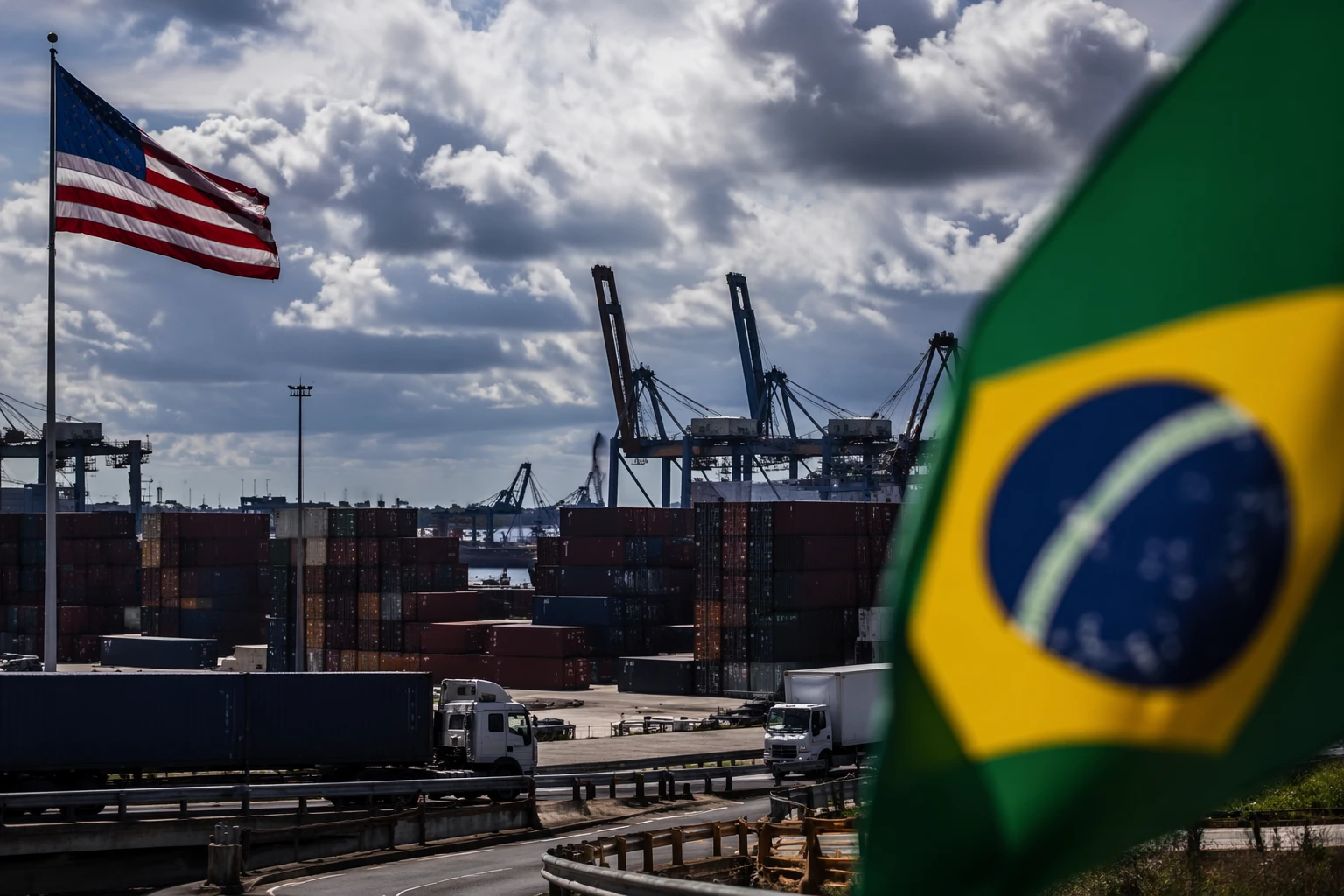
Bolsonaro’s filing argued that a suspension would be more sensible because Brazil’s political landscape would change within roughly 90 days after the election. He has tried to distance himself from the tariffs, which Lula’s government ties to his camp after Bolsonaro met with senior U.S. officials in late May. Bolsonaro denied that he was seeking sanctions against Brazil.

Luiz Inácio Lula da Silva’s allies cast the tariff push as evidence that Bolsonaro’s orbit lobbied Washington to intervene in Brazil’s politics, while Lula called the appeal a betrayal of the nation. A Quaest poll found Brazilians divided over responsibility: 47% agreed with Lula’s accusation and 35% sided with Bolsonaro’s denial.

USTR’s package includes exemptions for more than 1,600 product categories, covering some major Brazilian exports to the United States such as petroleum, coffee, beef, orange juice and civil aircraft. Brazilian officials have been negotiating with U.S. counterparts for months to avoid the new levies.
Sources
- [1]usnews.com
- [2]ustr.gov
- [3]valorinternational.globo.com
- [4]cov.com
- [5]reuters.com