Lifestyle
Food Influencers Shift Toward Wellness and Transparency
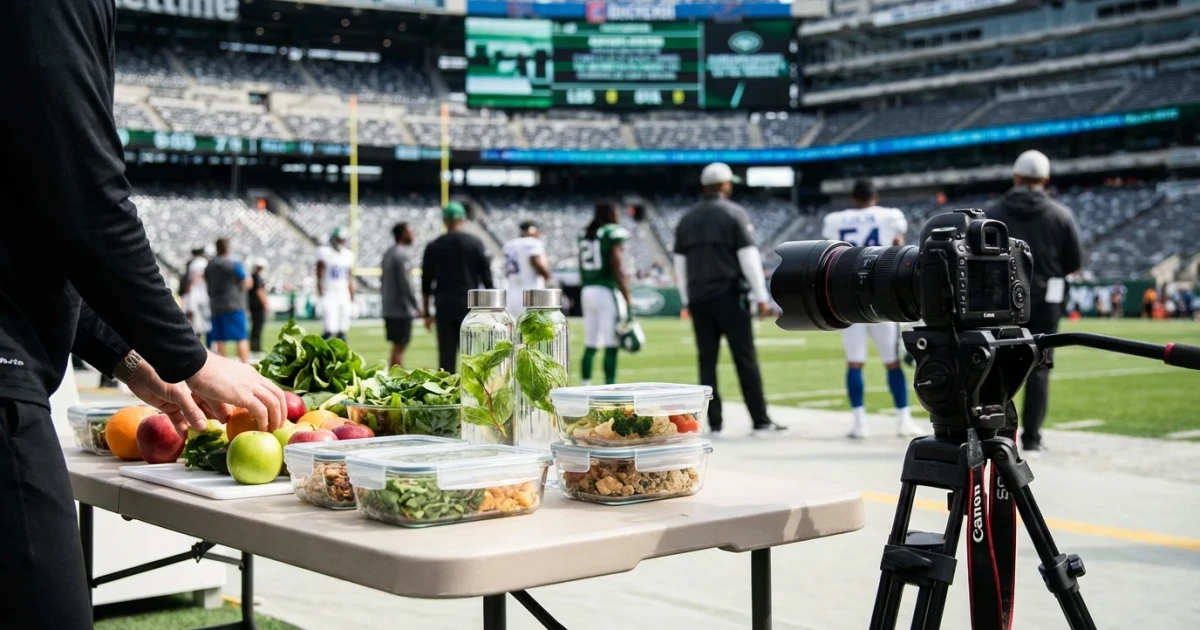
Food influencers across the United States are undergoing a transformation, moving away from polished perfection and brand-heavy content toward a more authentic, wellness-focused, and transparent style. This shift, highlighted by recent coverage in The New York Times, reflects broader trends in both social media consumption and consumer expectations.
The Changing Face of Food Influencing
As the food influencer market matures, creators are reimagining their roles not just as curators of visual content, but as guides for healthier and more mindful eating. According to recent statistics, the U.S. food influencer sector continues to grow, with millions of followers engaging daily with recipes, product reviews, and wellness tips. Yet, audience expectations have shifted: viewers are seeking more than just aspirational meals—they want relatable stories and actionable wellness advice.
Wellness and Feel-Good Content Take Center Stage
The New York Times reports that many prominent influencers are prioritizing content that centers on mental health, body positivity, and everyday enjoyment of food. This trend is visible on platforms such as Instagram and TikTok, where viral food content increasingly celebrates simple, nutritious recipes and balanced perspectives on eating. The pivot toward well-being is, in part, a response to criticism of diet culture and the often unattainable standards set by earlier influencer waves.
- Engagement rates are highest on posts featuring personal stories and wellness journeys, according to industry data.
- The most successful influencers are those who balance visual appeal with practical advice and transparency about their own habits.
Transparency, Disclosures, and Trust
Transparency is also becoming a cornerstone of successful food influencing. As creators increasingly collaborate with brands, Federal Trade Commission guidelines require clear disclosure of sponsored content. Influencers who openly share their partnerships and motivations foster greater trust with their audiences, a fact supported by recent Pew Research Center findings on social media transparency.
- Many creators now use explicit language and visual markers to indicate sponsored content.
- The FDA provides additional guidelines for food safety and consumer protection in influencer content.
Audience Engagement and Market Impact
These changes are resonating with audiences. Data from the Influencer Marketing Benchmark Report show that food and beverage campaigns featuring transparency and wellness themes have higher engagement rates and better return on investment for brands. The market continues to be highly competitive, with creators adapting quickly to trends and regulatory requirements.
Looking Ahead
As the food influencer landscape evolves, creators and brands alike will need to prioritize authenticity, wellness, and clear communication. The "feel-good refresh" underway suggests that the most enduring voices will be those who balance inspiration with honesty and actionable advice.
For readers, this evolution means more diverse, relatable, and trustworthy content—delivered by influencers who increasingly see themselves as wellness advocates and community builders, not just marketers or entertainers.