Health
Food tracking apps may help diets, but raise eating disorder concerns
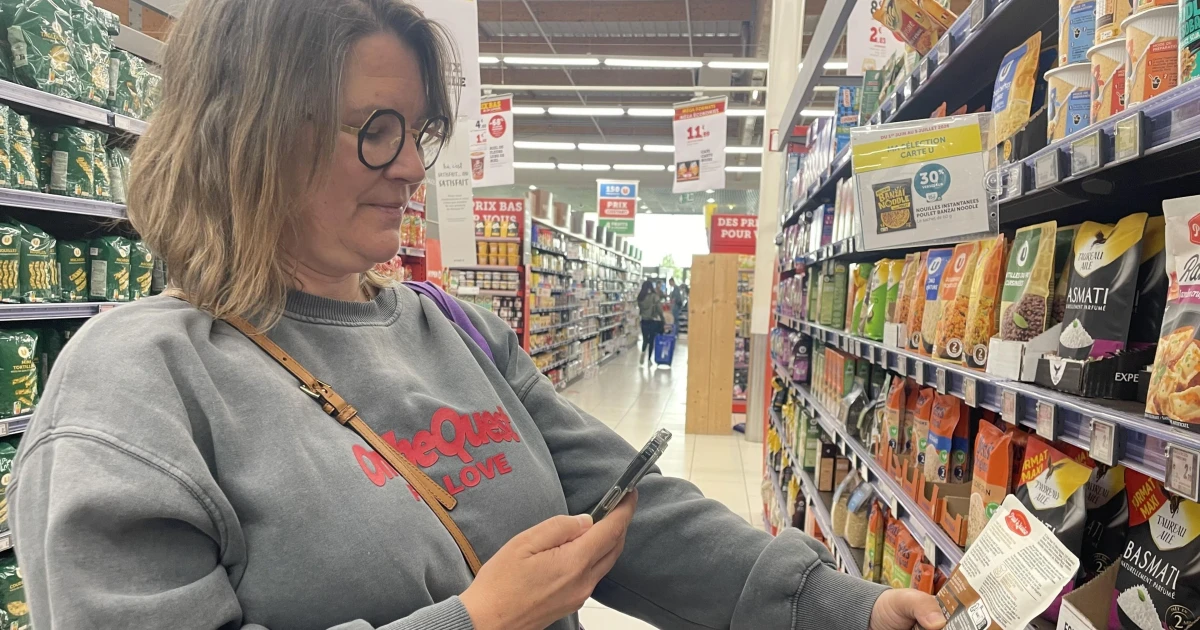
MyFitnessPal had been downloaded up to 50 million times on Google Play by April 2017. Diet and nutrition apps have become a multi-billion-dollar business, promising to turn vague intentions into concrete habits while also inviting a false sense of precision.
What these apps do well
The strongest case for food trackers is that they make eating visible. Reviews of mobile nutrition apps found that studies involving 1,638 participants across 10 trials showed gains in nutrition knowledge, and some users improved diet quality, weight, or blood sugar when apps paired tracking with reminders, coaching, or simple feedback loops.
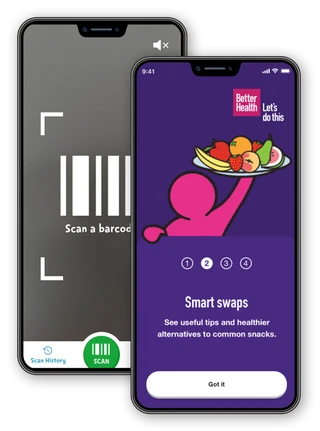
Public health systems have leaned into that logic. In the United Kingdom, the NHS Food Scanner app sits inside the Better Health campaign, and the NHS Weight Loss Plan began as a 12-week online program on the NHS website with weekly food and activity charts for calories, exercise, and fruit and vegetable intake before it was updated into an app format. Short timelines, clear prompts, and repeatable records are easier for many people to follow than open-ended advice.
Where accuracy breaks down

The problem is that recording food is not the same as measuring it perfectly. A systematic review and meta-analysis of validation studies found that mobile dietary record apps underestimated energy intake by an average of 202 calories a day compared with reference methods. A tidy digital log can still miss snacks, portions, cooking oils, or undercounted drinks.
That same measurement problem is why food tracking can produce false confidence. If the app says a day came in under budget, users may assume the total is exact when it is only an estimate.
The mental-health trade-off
A 2025 systematic review found that diet-monitoring app users had higher levels of disordered eating, body dissatisfaction, and compulsive exercise than non-users. The pattern was especially pronounced among people using both diet and fitness apps. The combination can intensify a cycle of counting, comparing, and correcting, especially when the goal is framed around weight loss rather than health.
Eating-disorder advocates have long warned that logging every bite can become harmful for some people, particularly when it is tied to pressure to lose weight. The National Alliance for Eating Disorders and the National Eating Disorders Association have both highlighted the risk that constant self-monitoring can harden into obsession. For people already vulnerable to restriction, guilt, or compulsive exercise, a tool built for accountability can start to reinforce the very behaviors they are trying to escape.
Who is most likely to benefit
Food trackers appear most useful for people who want structure, not perfection. Someone trying to build a routine around a defined plan, such as the NHS’s 12-week weight-loss program, may benefit from weekly charts, reminders, and a simple way to spot patterns in eating and activity. People who want basic nutrition education, portion awareness, or short-term coaching may also find the apps helpful, especially when the goal is broader behavior change rather than exact calorie accounting.
The evidence is weaker when the question becomes long-term change. Reviews show mixed results, because success depends on the app, the population using it, and how researchers measure outcomes. A tool that helps one person sustain regular meals or reduce sugary drinks may do little for another person who already has a complicated relationship with food, and the research does not support the idea that all trackers work the same way for all users.
How to use them without letting them take over
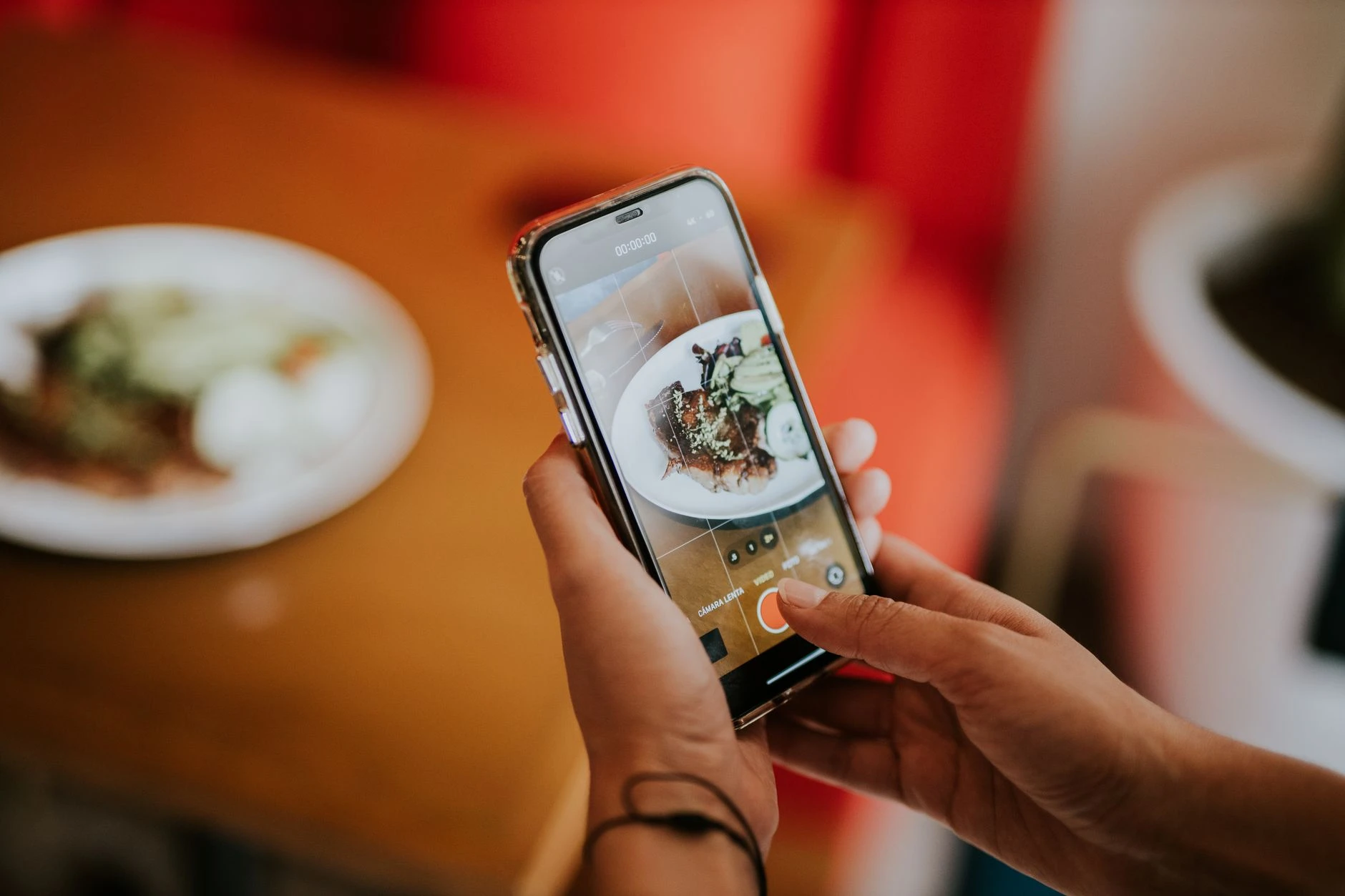
The safest way to think about food tracking is as a support, not a scorecard. The apps are most defensible when they are used for a limited purpose, such as noticing patterns, learning about nutrition labels, or following a short plan with a clear endpoint. They become riskier when every meal is judged, every number is treated as exact, and every missed entry feels like failure.
A practical approach is to watch for warning signs as carefully as you watch for calories. If using an app makes meals more stressful, increases guilt after eating, or pushes you toward compulsive exercise, that is not a side effect to ignore.
The NHS has shown that app-based programs can move the needle, with NHS England reporting that 31,718 people who started its online weight-loss programme lost an average of 2.2kg, or 4.85lbs, even including non-completers.