Health
Football can boost memory or strain the heart, research suggests
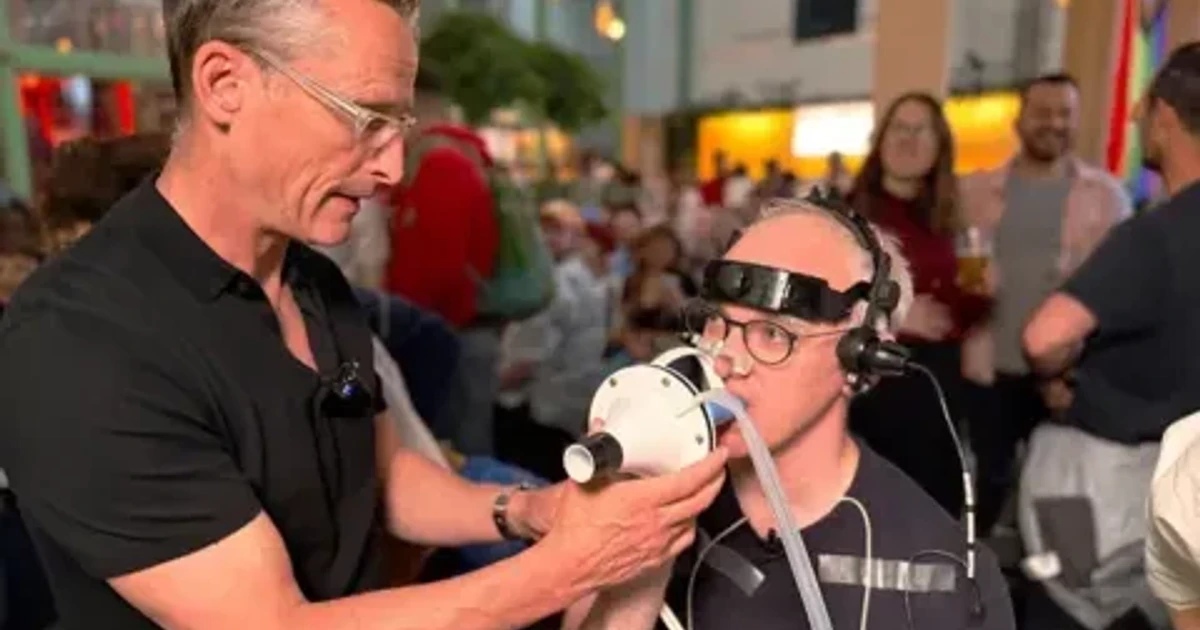
Watching football can be soothing, exhilarating and physically taxing all at once. NHS England has said classic matches can help older viewers stay mentally active and trigger memories, yet studies also show that tense games can raise blood pressure, speed up the pulse and even change how hospitals fill before and after kick-off.
Memory is part of the story too
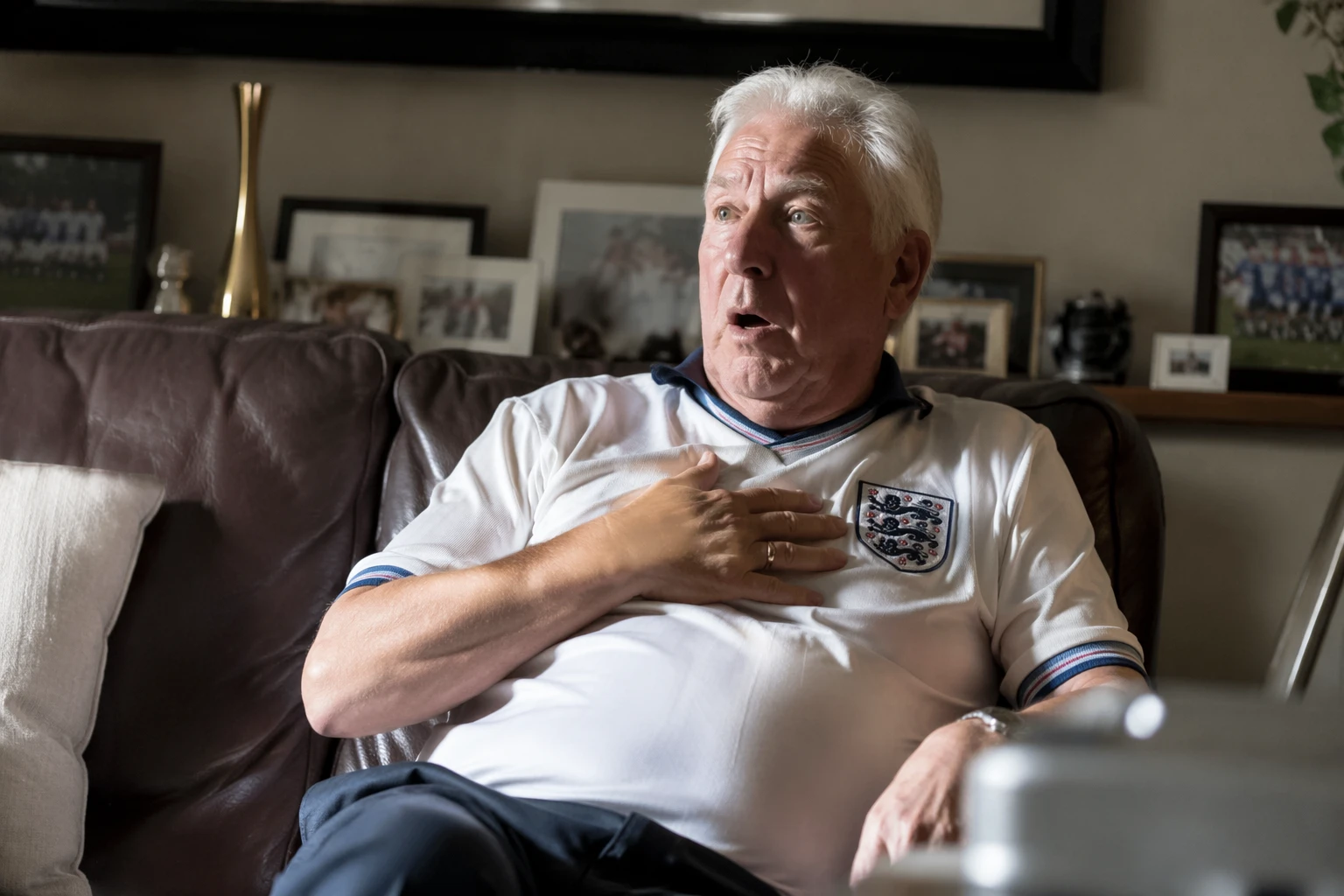
For some people, football is not a cardiovascular stress test at all, but a powerful memory cue. In 2018, NHS England’s dementia lead, Alistair Burns, said watching classic matches can support older people’s mental wellbeing because it keeps the brain active and stimulates memories, especially for people living with dementia.
That matters in the UK because the NHS estimated in 2018 that 850,000 people were living with dementia, while mental ill health affected almost eight million people aged over 55. For fans in that group, old cup finals, familiar commentary and recurring match-day rituals can do more than entertain. They can bring back faces, places and routines that feel anchored in long-term memory.
The point is not that football is medicine in itself. It is that for some older viewers, especially those who struggle with isolation or memory loss, a familiar match can be socially engaging and emotionally steadying rather than draining. The same game that leaves one fan on edge may give another a rare sense of recognition and comfort.
Why a match can feel like a stress test
The body does not always know the difference between a football thriller and a real threat. A 2010 paper in the Journal of Clinical Hypertension found that spectator sports may increase cardiovascular risk through psychological stress, with catecholamine-driven rises in blood pressure and heart rate. In plain terms, the adrenaline that makes a match exciting can also make the heart work harder.
More recent research says the effect can be stronger than a casual shrug and a sofa cheer. A 2022 mini-review in Vascular Health and Risk Management warned that emotional stress during World Cup games can sometimes produce unfavorable physiological responses and potentially adverse cardiac consequences. That does not mean every fan is in danger, but it does mean the body can respond to a tense game as if it were under pressure.
A 2026 study from Bielefeld University sharpened that picture. Researchers tracked smartwatch data from 229 Arminia Bielefeld fans over about 12 weeks and found that physiological responses began hours before the match and peaked at kick-off. That is an important detail: the stress response is not just about goals, penalties or the final whistle. Anticipation itself can raise the load.
Bielefeld researchers are now extending that work through a World Cup Fever Study, which is tracking heart rate, stress, movement and sleep during the 2026 tournament. That broader approach matters because the health impact of a match is spread across the whole evening, not just the 90 minutes on screen.
What the risk numbers actually show
The strongest broad evidence suggests a small but measurable rise in cardiovascular events around major football tournaments. A 2020 systematic review and meta-analysis found a pooled relative risk of 1.17 for non-fatal acute cardiovascular events and 1.03 for cardiovascular mortality during major football tournaments.
Those are modest increases, not dramatic surges, and the subject remains debated. But the findings are still meaningful because they point in the same direction as the physiology studies: emotionally charged sport can nudge heart risk upward, especially in people who are already vulnerable. In population terms, even a small percentage shift matters when millions of people are watching.
The likely explanation is simple. Intense excitement can raise heart rate and blood pressure, while anger, fear and frustration can add more strain. Add extra-time, penalty shootouts and a late-night finish, and the body may spend hours in a heightened state rather than settling down.
England matches show the pattern clearly
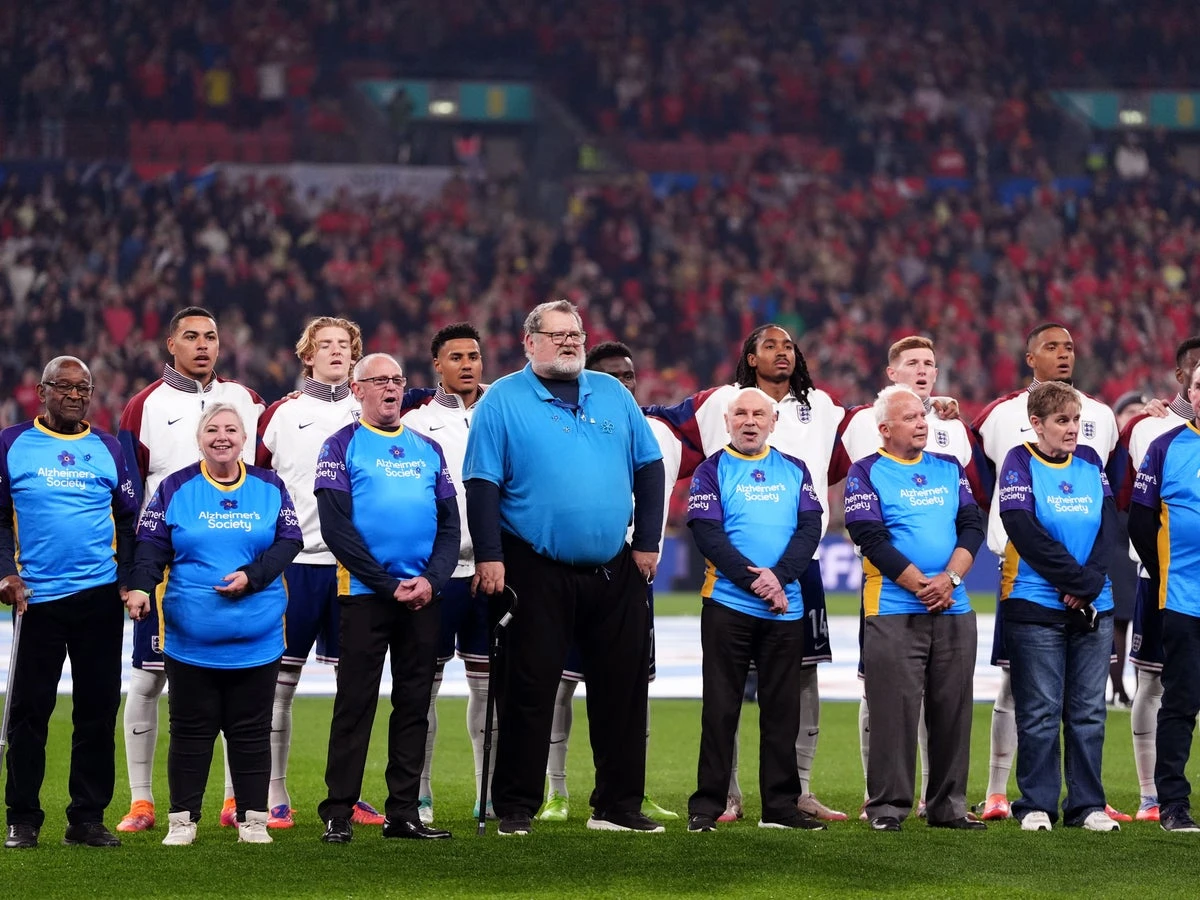
NHS England’s own analysis of Euro 2024 offered a striking real-world snapshot. On 17 June 2026, it said England matches were associated with just under 17,000 fewer A&E attendances than expected across the tournament. That drop was not uniform, either: England’s opener against Serbia saw 8.8% fewer A&E attendances than the six-week average, the quarter-final against Switzerland saw 5.9% fewer and the final against Spain saw 5.7% fewer.
The quieter hospitals before kick-off were matched by busier ones after the game. NHS England said there was an 11% drop in A&E attendances in the hour before kick-off during England matches, followed by hundreds more patients in the eight hours after games. Part of that rebound came from a roughly 10% rise in trauma and musculoskeletal attendances, suggesting that the post-match period brings its own risks and not just the emotional strain of watching.
The late-night hours were especially notable. Admissions rose 6.3% between 1am and 2am after matches during Euro 2024, which points to a delayed surge once the football is over and normal routines are already broken. In other words, the danger is not limited to the biggest moments on the pitch. The after-effects can linger well into the night.
Who should be most cautious
The people most likely to feel the downside are those with existing heart disease, hypertension, obesity or smoking-related risk factors. For them, the same surge of adrenaline that fuels a match-day buzz may carry more physiological cost, especially when the game is tight and sleep is pushed back.
That does not mean football should be avoided altogether. It means the highest-risk moments deserve respect: tense finishes, extra-time, shootouts and the post-match hours when the body is still revved up. Older viewers who find comfort in classic games may be on the opposite side of the ledger, especially if the viewing is calm, social and rooted in positive memory.
The evidence points to a balanced conclusion. Football can be mentally enriching, particularly for older people and those living with dementia, but it can also push the heart and circulation into a stress state that matters most for people with underlying risk. The game may end at full-time, yet for the body, the longer contest can run late into the night.
Sources
- [1]bbc.com
- [2]england.nhs.uk
- [3]pmc.ncbi.nlm.nih.gov
- [4]ncbi.nlm.nih.gov