Sports
Footballers are getting taller, lighter and faster, study finds
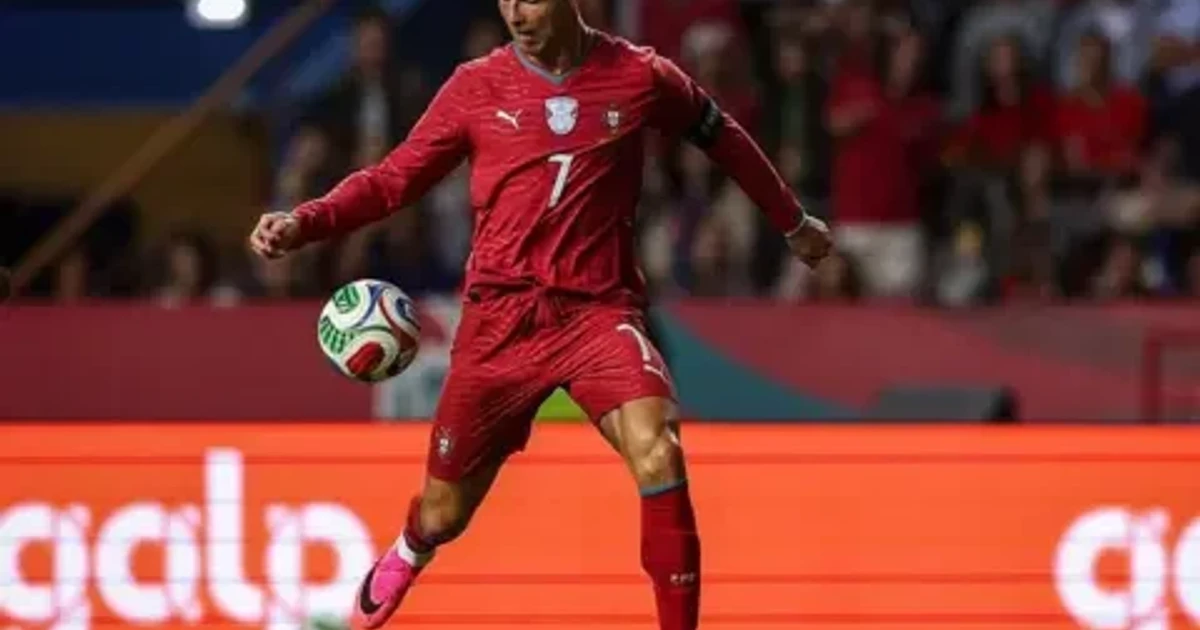
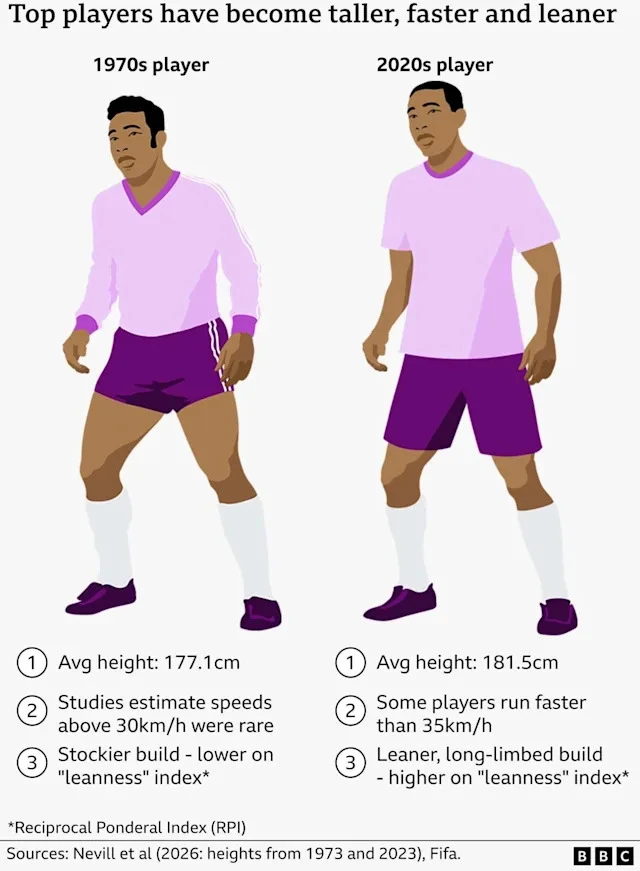
Football’s modern elite has been rebuilt by more than tactics and transfer fees. A University of Wolverhampton-led study, co-authored by Dr Tom Webb of the University of Portsmouth, found that English top-flight players have become taller, lighter and faster over the past five decades, a shift that reaches from the old First Division era to the Premier League age.
The research examined thousands of players from the English top division from the 1970s to the 2020s, comparing the game before 1992 with the era that followed. Average height rose by about 1 centimetre per decade, a steady climb that has changed the look of the sport. In the most recent decade, goalkeepers and defenders continued to trend taller, while the average height of strikers and midfielders fell slightly.
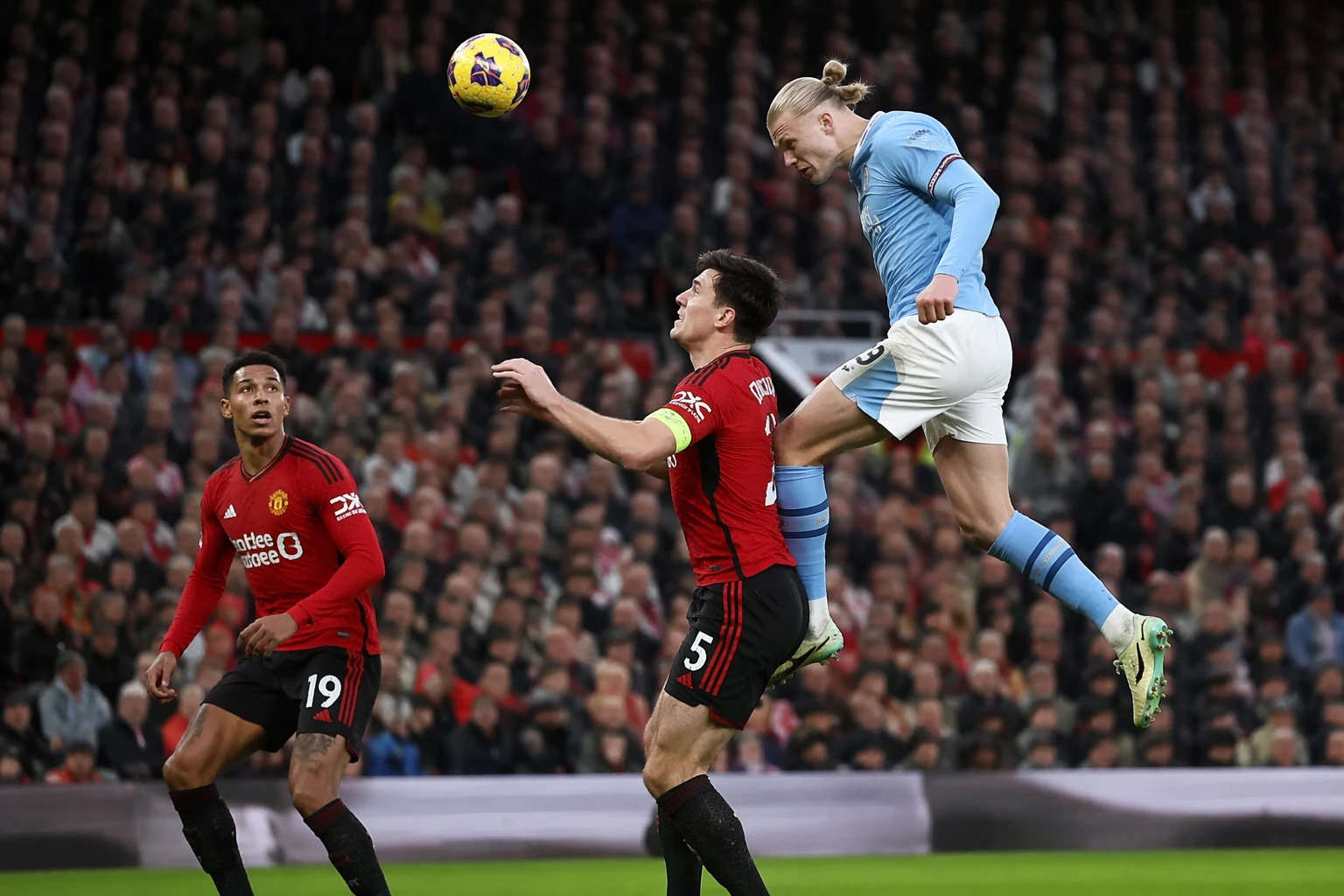
The study points to a game that has been industrialized by better pitches, tougher training regimes, and modern medicine and sports science. Those forces have not just extended careers; they have also produced leaner, more angular physiques that suit a faster, more crowded contest for space. That has direct consequences for talent identification, recruitment and transfer strategy, as clubs increasingly weigh physiological metrics alongside technical ability when judging a prospect or building a squad.
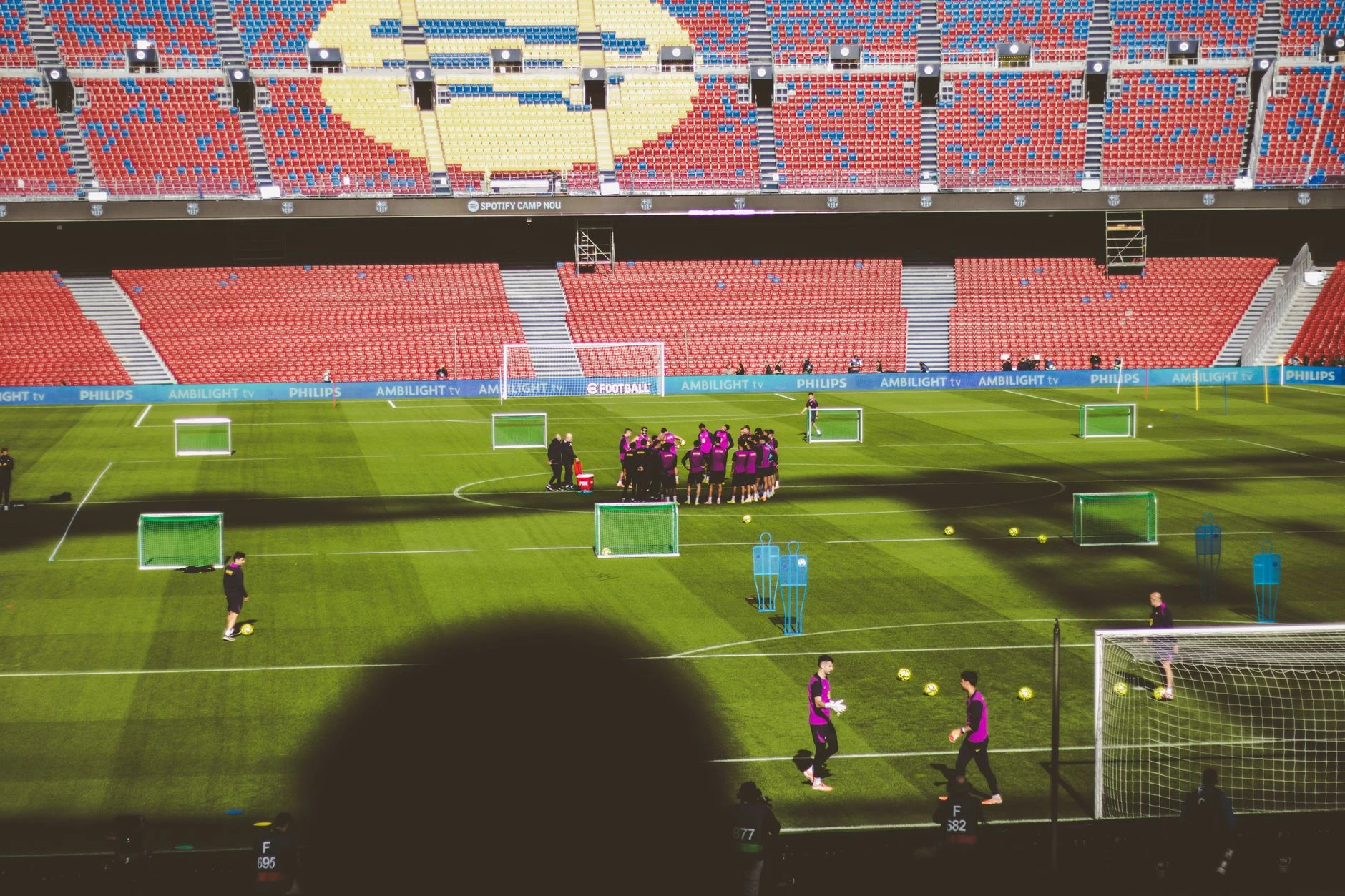
The same transformation appears in injury data. UEFA launched the Elite Club Injury Study in 2001 to better understand injury trends and the effects of rising match load, and over 18 seasons from 2000-01 to 2018-19 it tracked 3,302 players across 49 teams from 19 countries. The study recorded 11,820 time-loss injuries across 1,784,281 hours of exposure. Injury incidence fell by 3% per season in both training and matches, reinjuries dropped by 5% per season, and squad availability improved slightly. Ligament injuries declined, but muscle injuries stayed constant.

Age has become part of the same story. A 2025 analysis of 98 male players aged 18 to 39 found that peak performance came in the mid-20s, with high-intensity and explosive actions falling off after 32 while endurance stayed relatively stable. That helps explain why the modern game can still carry older players for longer, even as some physical outputs fade. FIFA said in June 2026 that eight players aged 40 or over were set to feature at the 2026 World Cup, more than in any previous edition combined, with Cristiano Ronaldo among them.
Sources
- [1]bbc.com
- [2]port.ac.uk
- [3]bjsm.bmj.com
- [4]uefa.com
- [5]pmc.ncbi.nlm.nih.gov
- [6]fifa.com