Sports
Footballers' families face upheaval as transfer window triggers sudden moves
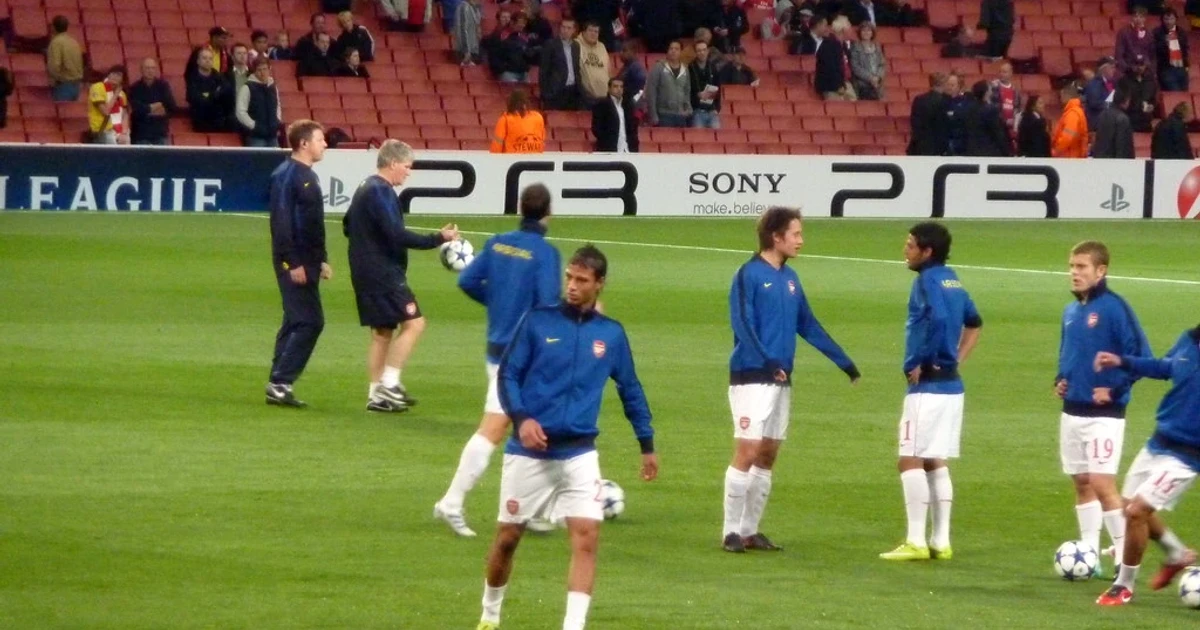
The Premier League’s summer 2025 window opened on 1 June and ran through 1 September, with England’s deadline at 7pm UK time. A football transfer is usually framed as a fee, a tactic or a deadline-day drama. For the families involved, it is often a housing move, a school change and a sudden break with support networks, all compressed into the final hours of a deal. The schedule leaves little room for family life to catch up with the market.
How the transfer window turns into a family crisis
The transfer window is built for speed. Within that defined period, signings often become a race against time. That pace matters because a player’s move is rarely limited to a new training ground or a different shirt number.
A late deal can force a partner to decide whether to stay behind or uproot immediately, while children may have to leave school mid-term, lose day-to-day contact with friends and adjust to a new routine in a new city. When the move is across borders, the pressure deepens as families weigh not only a contract but homes, schools and whole support systems.
The hidden labour behind a deadline-day move
Players and families must be ready to move clubs, homes, schools and even countries at relatively short notice, as Hall Brown put it on 12 March 2025. That is the practical reality behind the transfer window’s glamour: boxes, deposits, admissions forms and childcare arrangements often have to be handled while the football business is still being negotiated.

The deadline day dynamic makes this worse. Deals can be completed in the final hours, which means families may not know whether to start packing, secure a rental, or keep a child in the same classroom for another term. In economic terms, the transfer market shifts risk downward, away from clubs and agents and onto the people closest to the player.
What the research says about wives, partners and children
The social cost of that movement has been documented for years. Jennifer Bullen’s research into partners of players in the Championship and League One, released by the British Sociological Association on 16 April 2009, found that footballers’ wives were often isolated, transient, publicly criticised and emotionally tough.
Nearly a decade later, research highlighted by the British Sociological Association at its annual conference in Newcastle on 10 April 2018 found that professional footballers’ frequent transfers can leave wives and children feeling isolated and lonely.
A relocation article posted on 30 November 2017 made the same point: footballers’ wives and girlfriends may know what they are signing up for, but repeated moves do not make relocation easy.

Why children absorb so much of the shock
Children are often the least visible people in the transfer process, yet they can carry some of its most durable costs. Research released by the Society for Research in Child Development on 25 May 2016 found that children’s social and academic functioning is impeded when families move more often. In football terms, that means each transfer can interrupt friendships, classroom continuity and the stability that helps children settle and perform.
For school-age children, the damage is not just emotional. Changing schools can mean different curricula, new teachers, altered exam paths and a fresh social hierarchy to navigate. The move may be framed as a career step for the player, but for children it can feel like a reset they did not choose, with the family’s timetable determined by a league deadline rather than by the school calendar.
Why the Premier League timetable matters beyond sport
That long but highly compressed period gives teams flexibility to reshape squads over a few intense months. That structure gives teams flexibility, but it also concentrates uncertainty for families over a few intense months. The market’s timing can make a normal household problem, such as finding a good school or a stable rental, suddenly urgent.
Sources
- [1]bbc.co.uk
- [2]premierleague.com
- [3]chelseafc.com
- [4]britsoc.co.uk
- [5]phys.org
- [6]hallbrown.co.uk
- [7]santaferelo.com
- [8]srcd.org