Business
Ford credits human expertise for quality turnaround after automation missteps
Ford said it finished No. 1 among mainstream automakers in J.D. Power’s 2026 U.S. Initial Quality Study, its first time at the top of that category since 2010. The result capped a turnaround that has been shaped less by software alone than by a deliberate return to engineers who understood the company’s hardware problems from the inside.
The change in tone is striking because Ford has spent years leaning into automation, from manufacturing systems to design tools, while also building up new talent after major strategic shifts. Ford hired about 550 former Argo AI employees after winding down that self-driving venture, bringing in engineers with machine-learning, robotics and automated-driving experience. That move expanded Ford’s technical bench, but it also underscored how often the company has had to rebuild expertise after moving quickly into new bets.
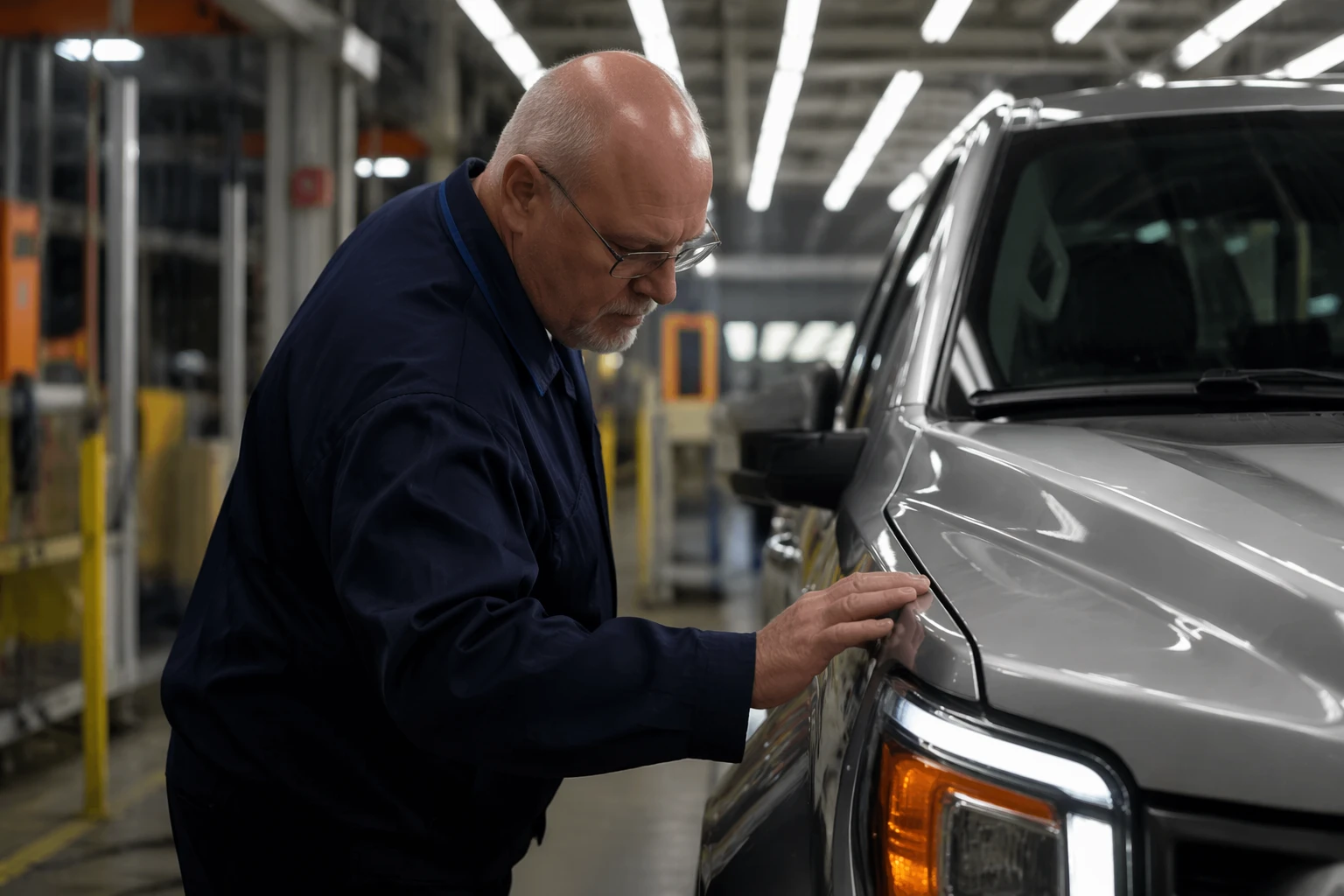
At the same time, Ford found itself turning back to older knowledge. The company rehired Lem Yeung as a consultant after he left in 2021 under a buyout, bringing back a veteran with roughly 30 years in internal-combustion engine development. Ford wanted his help as power-train warranty claims surged after its shift toward electric vehicles, a reminder that decades of tacit engineering judgment can still matter when a production problem does not fit neatly into an automated model.
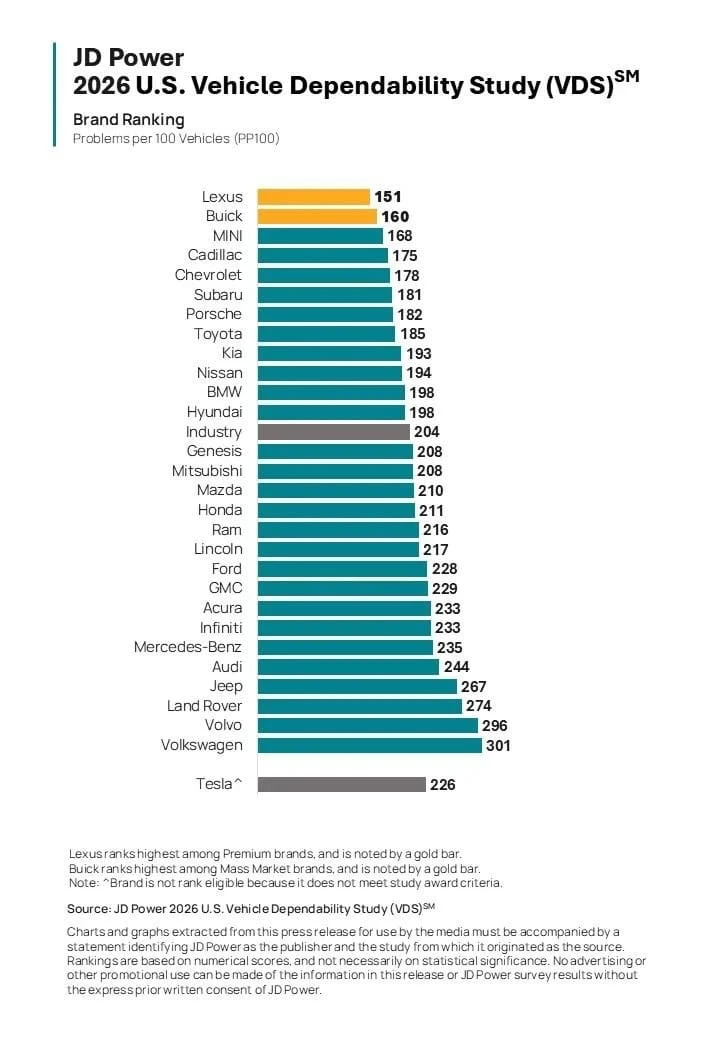
Ford’s quality message now lands against a broader industry improvement. J.D. Power’s 2025 U.S. Initial Quality Study found 192 problems per 100 vehicles across the industry, down from 194 in 2024. Ford said on July 16, 2025 that its own 2025 initial quality was on track to be among its best ever, and on June 25, 2026 it said the brand had become the top mainstream name in the study. Ford’s latest messaging has stressed fewer defects and tighter scrutiny of design and manufacturing flaws.
The company’s own framing points to a cautionary lesson for automakers chasing efficiency through automation: when the systems that are supposed to catch mistakes fail, the fix can come from the engineers who still know how the parts are supposed to work.
Sources
- [1]theverge.com
- [2]jdpower.com
- [3]fromtheroad.ford.com
- [4]spectrum.ieee.org
- [5]freep.com