World
Foreign dignitaries arrive in Tehran for Khamenei funeral ceremonies
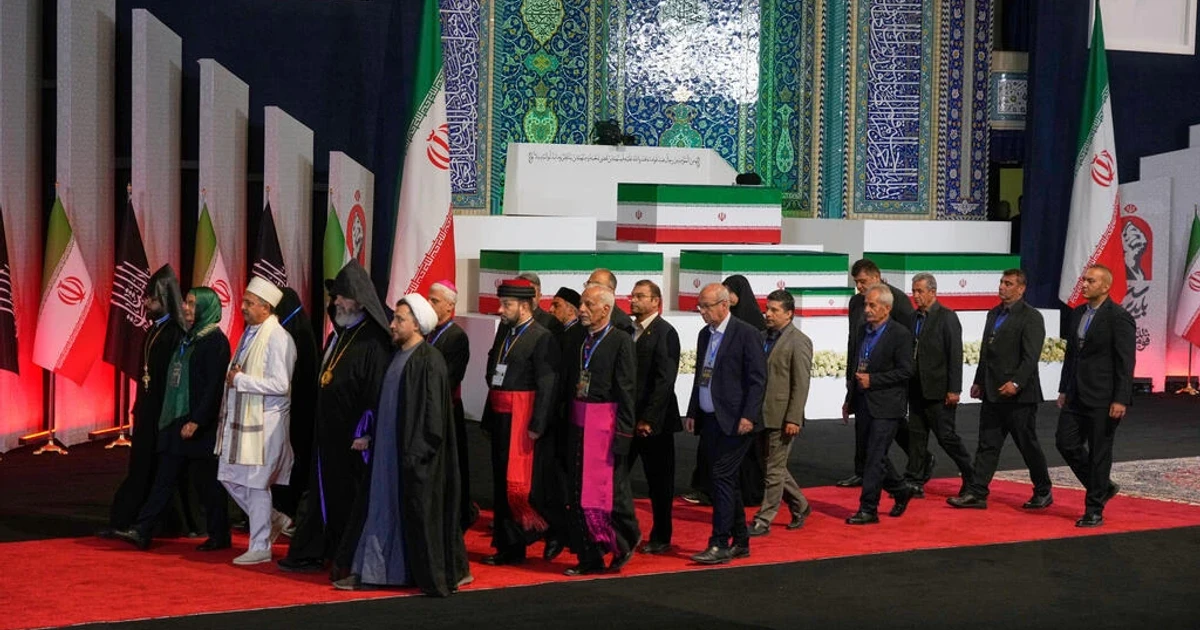
Foreign dignitaries from China, Russia, Pakistan and other countries arrived in Tehran on Friday as Iran opened funeral ceremonies for Ayatollah Ali Khamenei, turning the capital into a test of who still stood with the Islamic Republic after the war that killed him.
Iranian state media said the first stage of the ceremonies began on July 3, 2026, with foreign dignitaries and religious figures paying their respects in Tehran. Authorities had announced on June 13 that the funeral would start in Tehran on July 4 and that burial would follow in Mashhad on July 9, but the program effectively began a day early. The rites were expected to move through Tehran, Qom and Mashhad, with some accounts also mentioning Iraq.
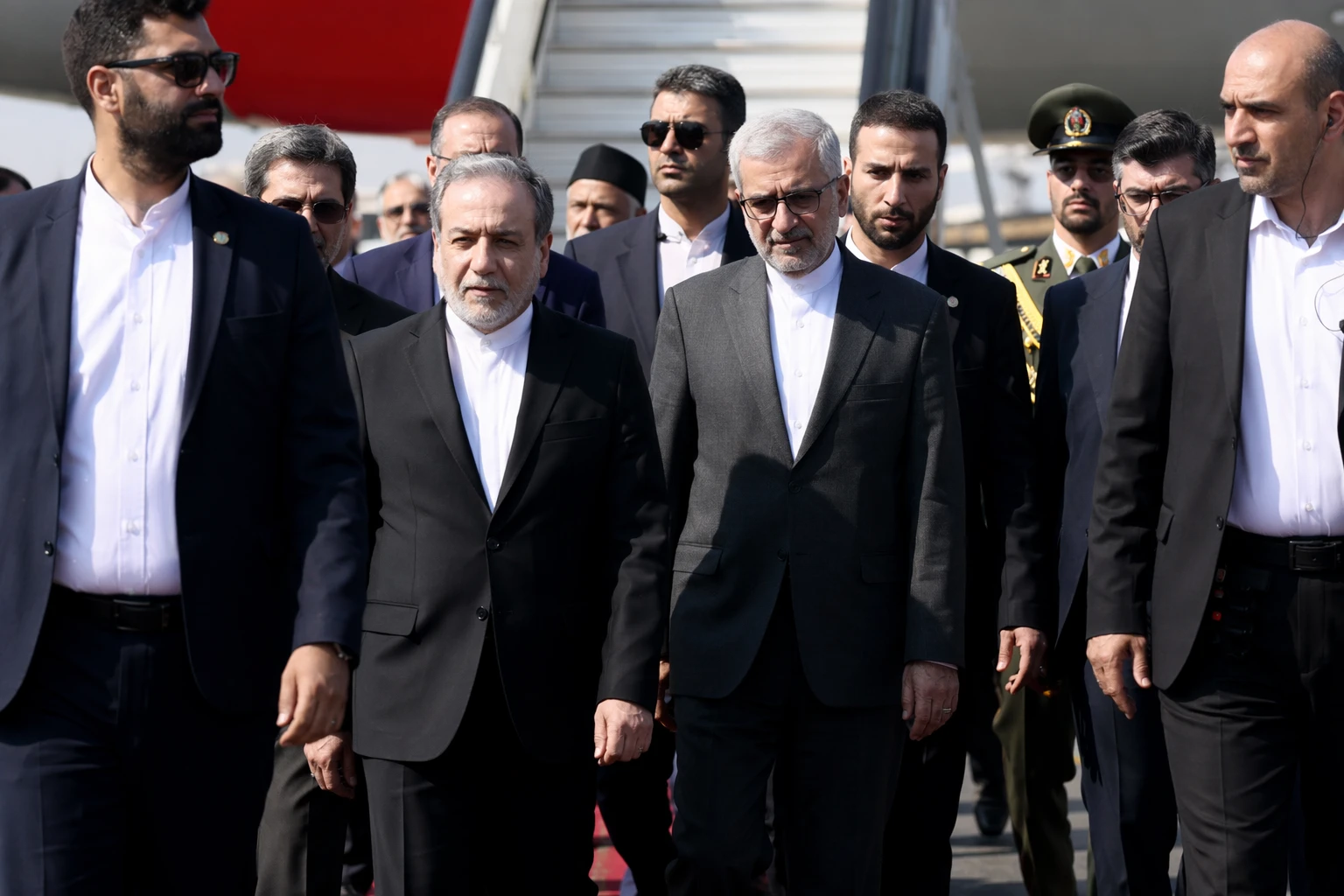
The guest list carried the clearest geopolitical signal. Pakistani authorities said Prime Minister Shehbaz Sharif would attend the ceremony, while China, Russia and India were also sending senior officials. Iranian officials claimed delegations from about 100 countries could attend, and other reports said senior officials and representatives from more than 30 countries were already arriving. The mix placed Tehran’s closest diplomatic ties on display, especially across Eurasia and South Asia, even as the ceremony remained defined by the absence of any Western presence.
State media and clerics framed the funeral as a public show of support for the Islamic Republic after the war and as a rebuttal to the U.S.-Israeli campaign that led to Khamenei’s death in an Israeli airstrike during the opening stage of the fighting. The funeral was being used to keep alive the revolutionary narrative around his killing, with officials presenting the turnout as proof that the state retained deep loyalty despite the attack.
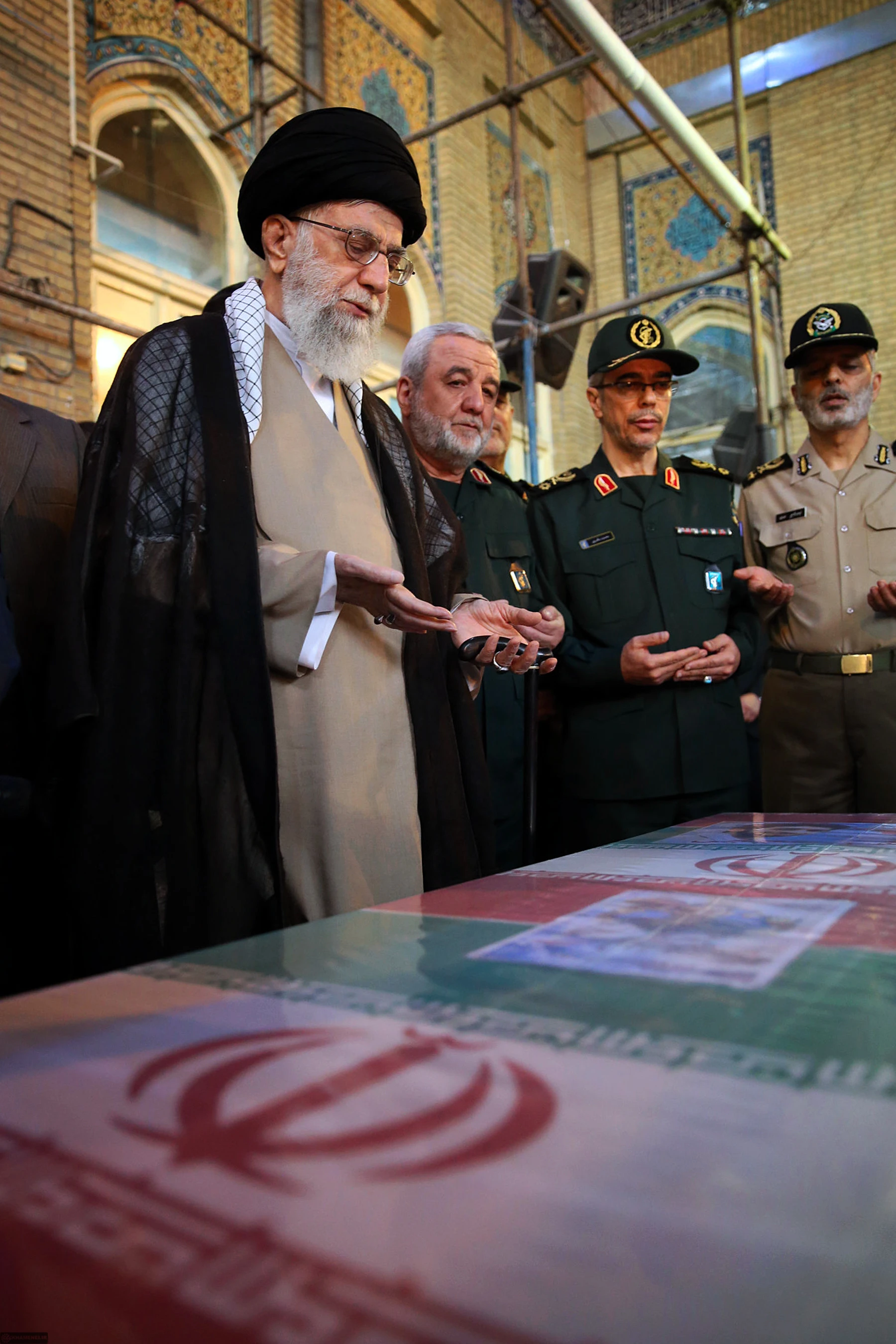
Iranian military figures warned the United States and Israel against attacking the processions, underscoring how quickly the ceremony had become a security issue as well as a diplomatic one. With mourners, foreign delegations and religious figures converging on Tehran before the rites moved on to Qom and Mashhad, the attendance map was already showing which powers were willing to be seen at Iran’s side and which were not.
Sources
- [1]nytimes.com
- [2]aljazeera.com
- [3]presstv.ir
- [4]timesofisrael.com
- [5]jpost.com
- [6]apnews.com
- [7]reuters.com