US News
Forest Service says wildfire crews are staffed, but risk remains
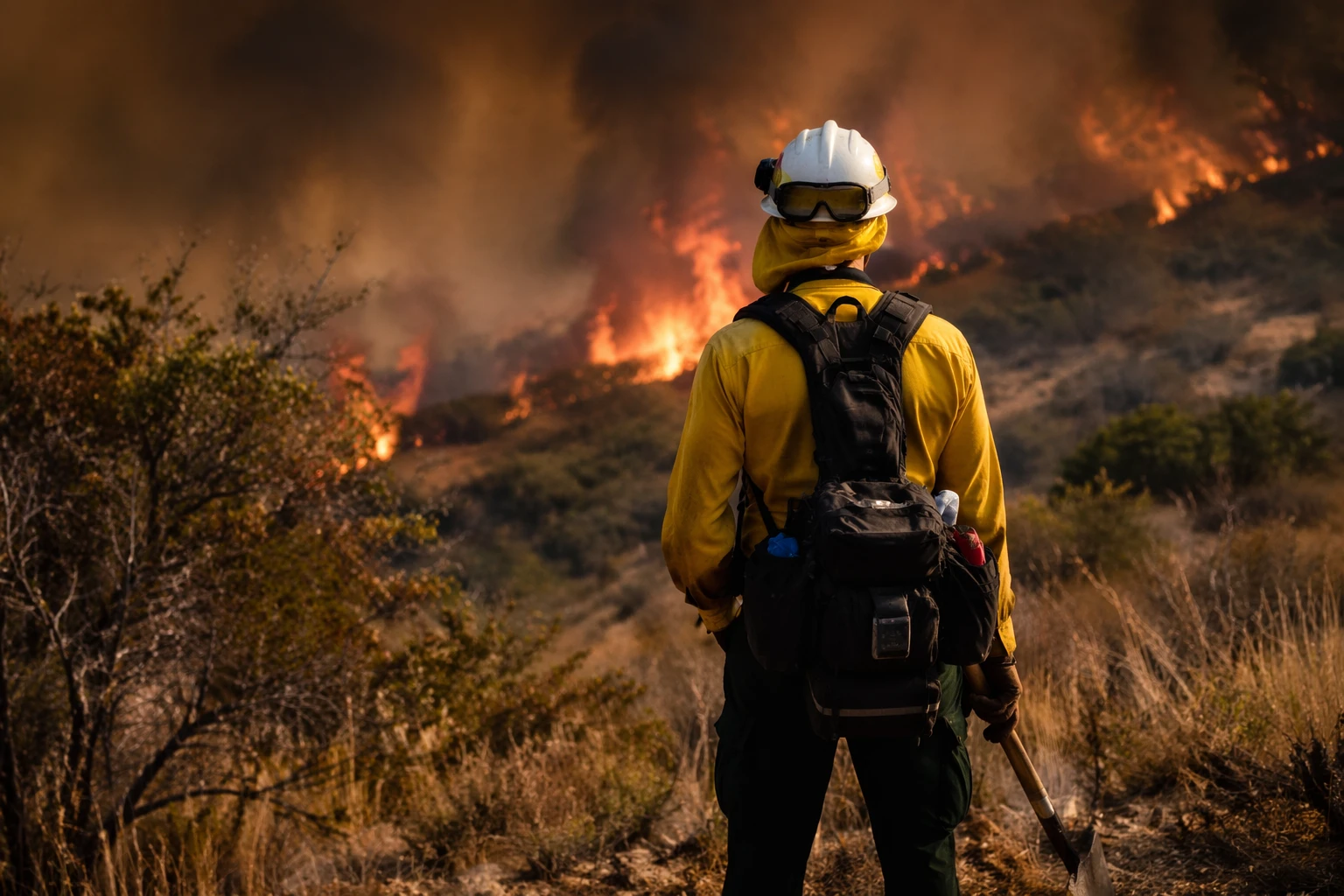
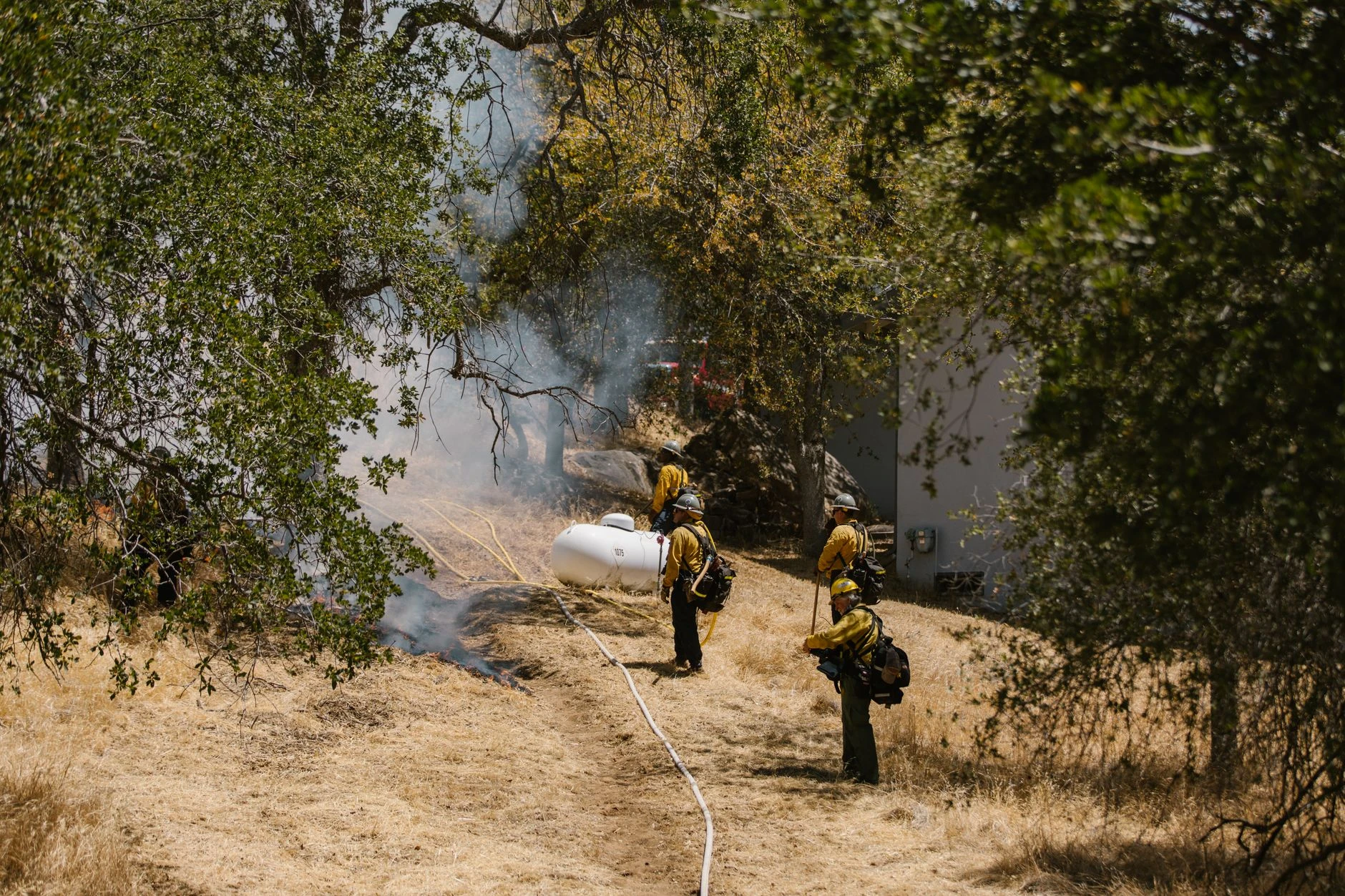
The Forest Service is entering peak fire season with more firefighters on the books, but the bigger question is whether that manpower matches the scale of the risk. The agency said it had 11,553 wildland firefighters onboard nationwide as of June 8, 2026, or 102% of its goal of 11,300 by mid-July. Even so, the service says it can support only the force it has with existing infrastructure, funding and other resources, a limitation that leaves open how it would absorb a wave of major fires.
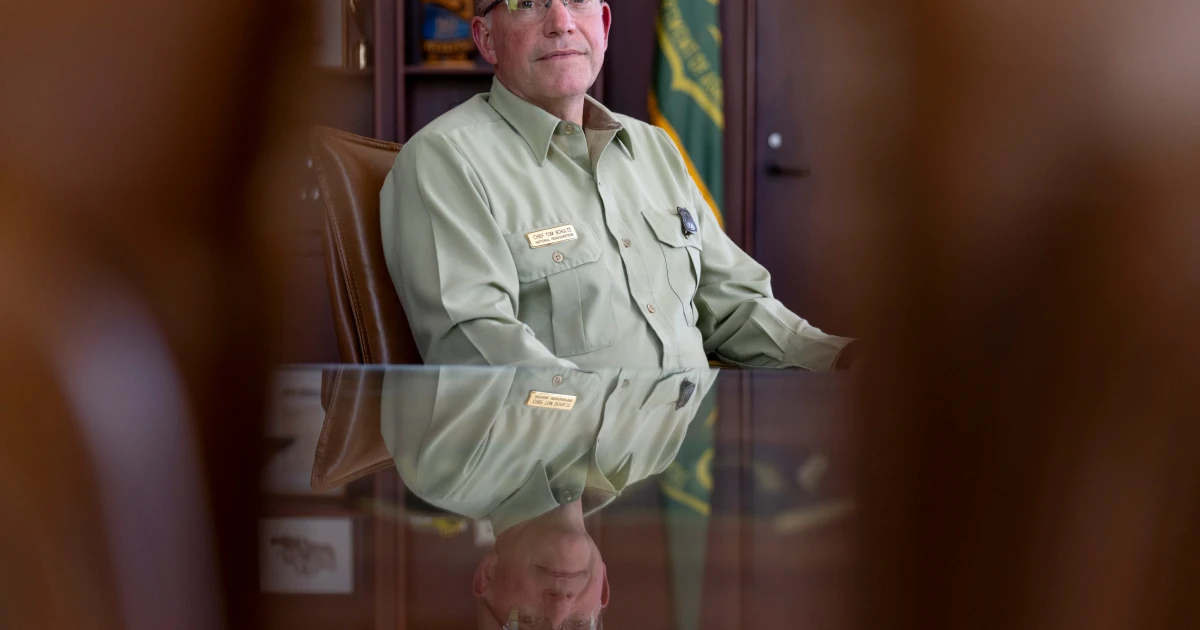
Chief Tom Schultz has tried to project confidence. In an April 30 letter of intent, he said the agency surpassed its hiring target for operational firefighters, issued more than 22,000 red cards and will use full suppression for every unplanned ignition on National Forest System lands. Schultz also said predictive services shows the 2026 fire year will challenge the agency and that lives, homes and taxpayer dollars are on the line every time a wildfire starts.
That message has not quieted concerns in Congress. Rep. Joe Neguse and Rep. Jared Huffman wrote to Schultz on March 18 seeking details about seasonal staffing after the Forest Service committed on Feb. 12 to hiring 2,000 seasonal workers. The lawmakers said those workers matter not just for recreation and trail work, but also because seasonal employees help cover wildland firefighting duties during the busiest visitor months.
Their letter pointed to a tighter workforce and broader pressure on public lands. Neguse and Huffman said the agency did not hire seasonal staff in 2025 outside fire-related positions because of budget constraints, and that it had lost more than a quarter of its full-time staff over the prior year. They also cited a Trail Program Status Report that said trail maintenance was at its lowest level in 15 years because seasonal workers were not available.
The Forest Service has framed the 2,000 seasonal hires as part of a wider summer effort, not a substitute for fire crews. The positions were meant for recreation and active management work on national forests and grasslands, in addition to seasonal fire hiring already underway. Schultz said the agency streamlined hiring so workers could start earlier and focused recruitment in local communities, while also noting that the new staff would help keep campgrounds and other facilities clean and support nearby rural towns.

The tension between staffing claims and fire risk is sharpened by the recent fire history. Schultz said 2025 brought the highest number of wildfire starts on national forests since 2016, even as total acres burned stayed at nearly half the 10-year average. That contrast may shape the coming months: a year with fewer burned acres can still become a crisis if weather, fuels and multiple starts overwhelm crews.
Sources
- [1]npr.org
- [2]fs.usda.gov
- [3]neguse.house.gov