World
Forgotten Mughal court reports reveal Aurangzeb’s reign in detail
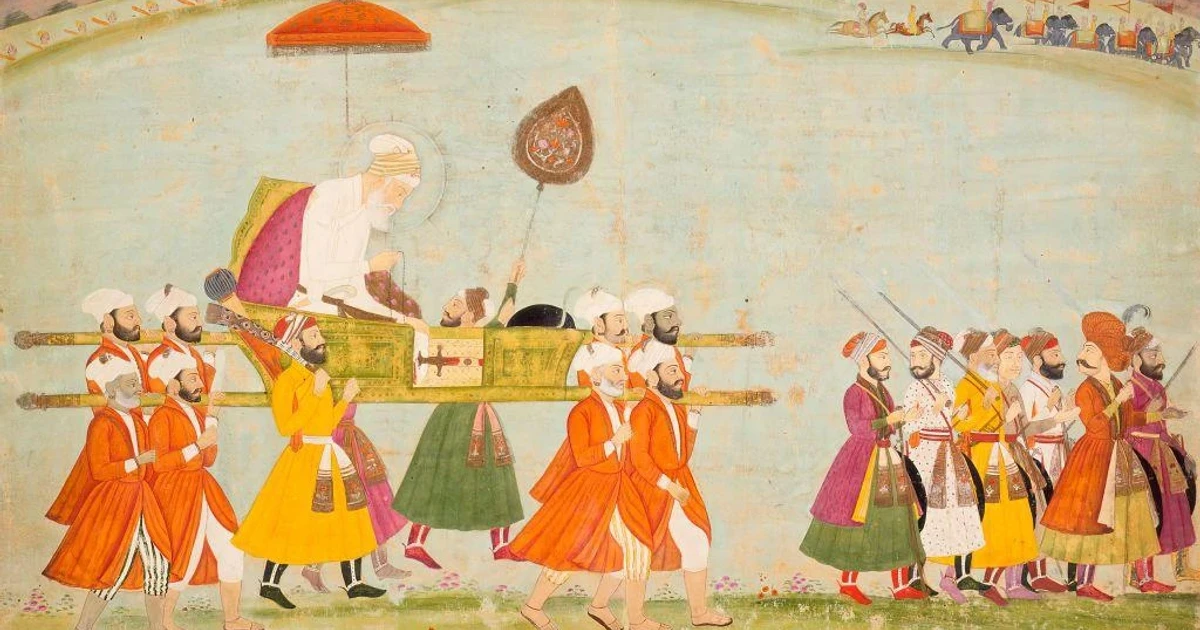
A stack of Persian court newsletters is changing how Aurangzeb’s reign looks from the ground. The akhbarat preserve imperial headlines such as conquests and succession drama, and they reveal the daily machinery that kept the Mughal state moving, from appointments and finances to gossip and military dispatches.
The paper trail behind the emperor
Akhbarat were Mughal court papers, or newsletters, that recorded transactions at Aurangzeb’s court. They were written in Persian in Shikastah script on separate slips of paper, a format that made them quick to circulate and practical for capturing news as it happened. They tracked what was happening at court while events were still unfolding.
Long before print journalism reached India, the Mughal state depended on a dense information network of scribes, agents and secretaries. These reports gave rulers and administrators a steady flow of current intelligence from places where the writer was not physically present.
What the akhbarat recorded
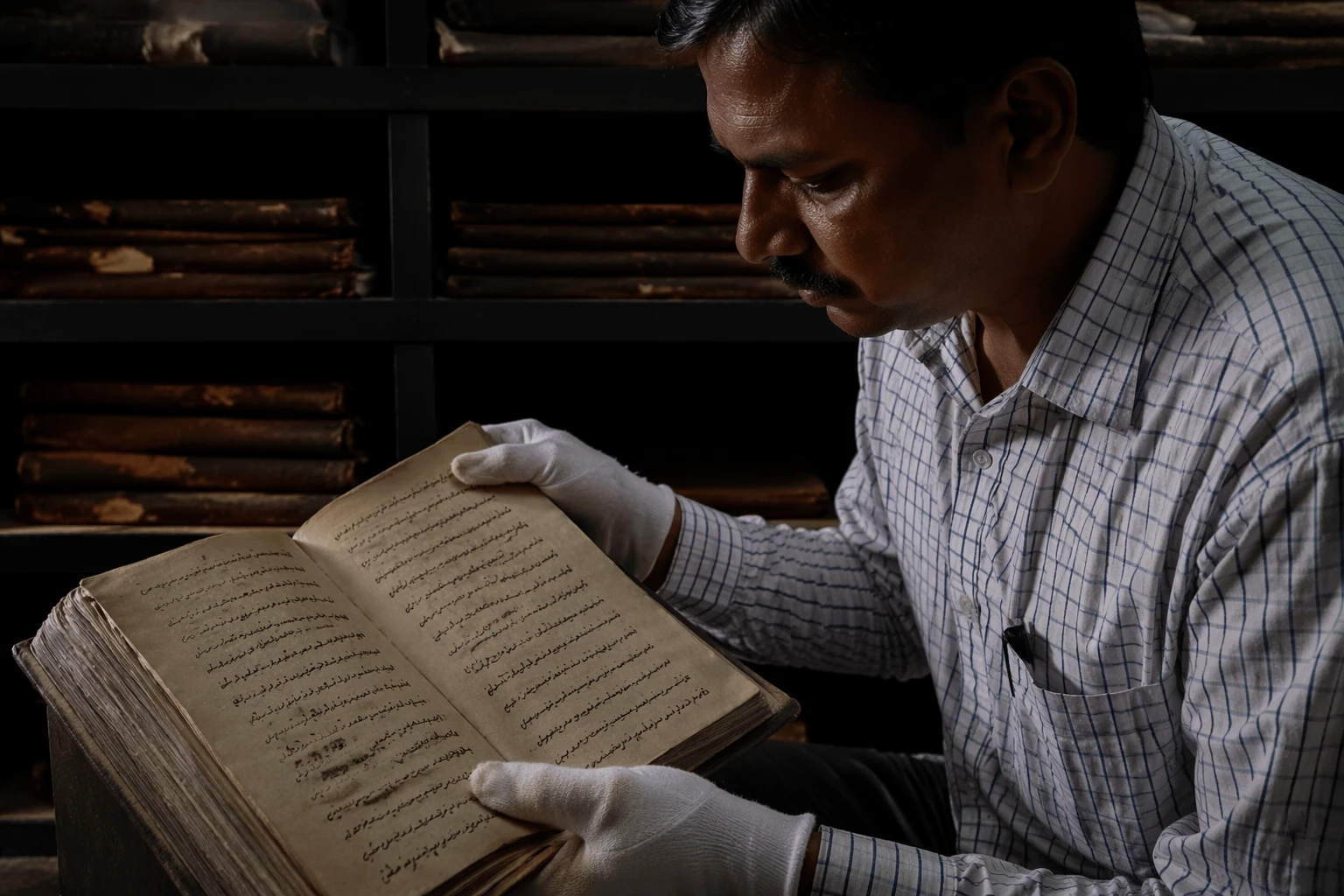
The surviving reports open a far more granular view of Mughal politics than textbook portraits of emperors and campaigns usually allow. They include court intrigue, military campaigns, appointments, finances and gossip, the kind of details that show an empire being managed day by day rather than staged only through grand events. Instead of a single dramatic narrative, they present a court life built from routine notices, administrative adjustments and flashes of conflict.
A notice about a posting, a payment or a rumor can tell as much about how authority worked as a battlefield victory does, especially in a state as administratively dense as the Mughal empire. The akhbarat show an imperial world in which information moved through human networks, not just through decrees, and where the everyday business of rule left a paper trail.
They also complicate the standard image of Aurangzeb himself. He remains one of the most debated and controversial figures in Indian history, but these newsletters shift attention away from the emperor as an isolated symbol and toward the institutional system around him.
How the archive survives
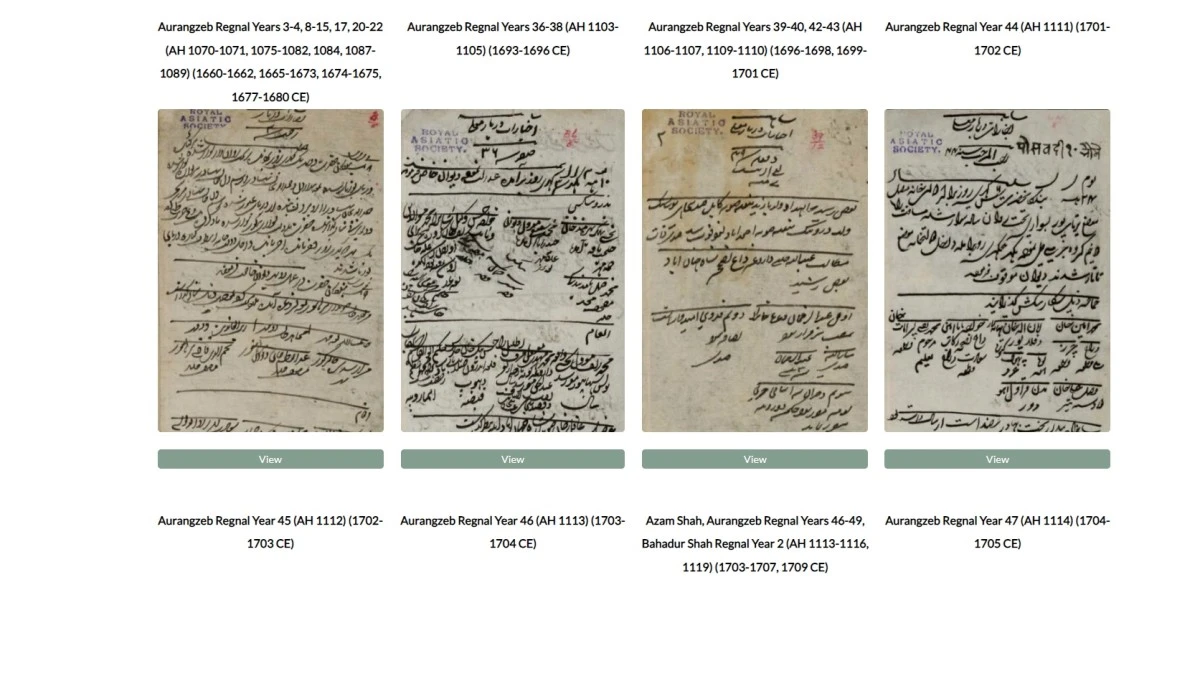
The best-known trove is the Royal Asiatic Society’s digitized collection, which contains 2,777 folios spanning AH 1070 to AH 1119, or 1660 to 1709 CE. Arranged by regnal year, the collection covers many years of Aurangzeb’s reign and the reigns of his immediate successors, giving historians a long run of closely spaced evidence rather than a handful of isolated fragments. Because the material is digitized, scholars can move through the sequence of reports as a continuous record of administration, conflict and court routine.
The documents survive in at least four known collections: London, Bikaner, Sitamau and Kolkata. Historians also suspect that additional akhbarat may still be in private hands.
The survival of so many folios shows that this was not a one-off paper trail but a sustained system of reporting. It points to continuity, not accident, and to an administrative culture that valued regular news. In practical terms, it means historians can trace patterns over time, comparing court behavior, appointments and military developments across decades rather than relying on a single episode.
Why historians are returning to Aurangzeb
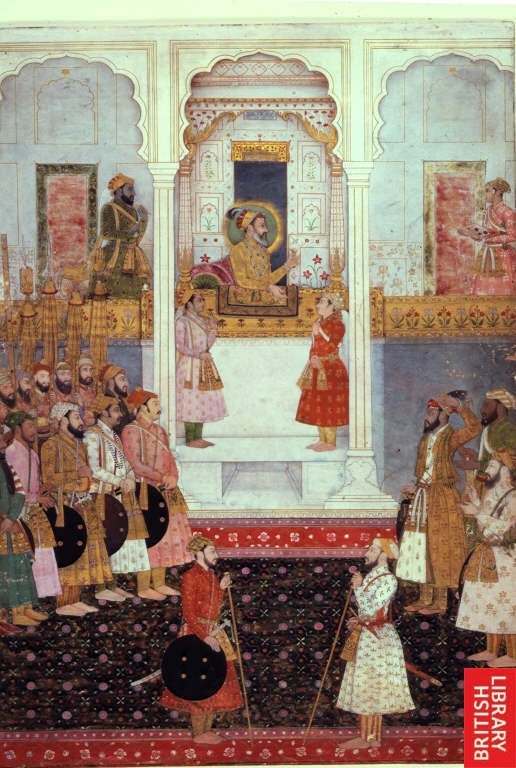
The akhbarat have become central to reassessing Aurangzeb because they support a more nuanced reading of his reign. Scholars including William Dalrymple and Irfan Habib have drawn on these records to argue that the emperor cannot be understood only through the later political myths built around him. The newsletters show an ordinary state at work, with all its coordination, friction and information management, and that makes simplistic portraits harder to sustain.
Older narratives often flatten the Mughal court into a sequence of ruler-centered events, but the akhbarat restore the infrastructure behind the throne, the people who carried news, the officials who filled posts, and the administrative rhythms that kept the empire functioning.
The akhbarat document how a pre-print state managed intelligence, personnel, finance and rumor across vast distances, and they do so in a form that is unusually immediate.
Sources
- [1]bbc.co.uk
- [2]royalasiaticsociety.org
- [3]royalasiaticcollections.org
- [4]aol.com
- [5]jstor.org