Technology
Former OpenAI designers launch AI site that scores name recall
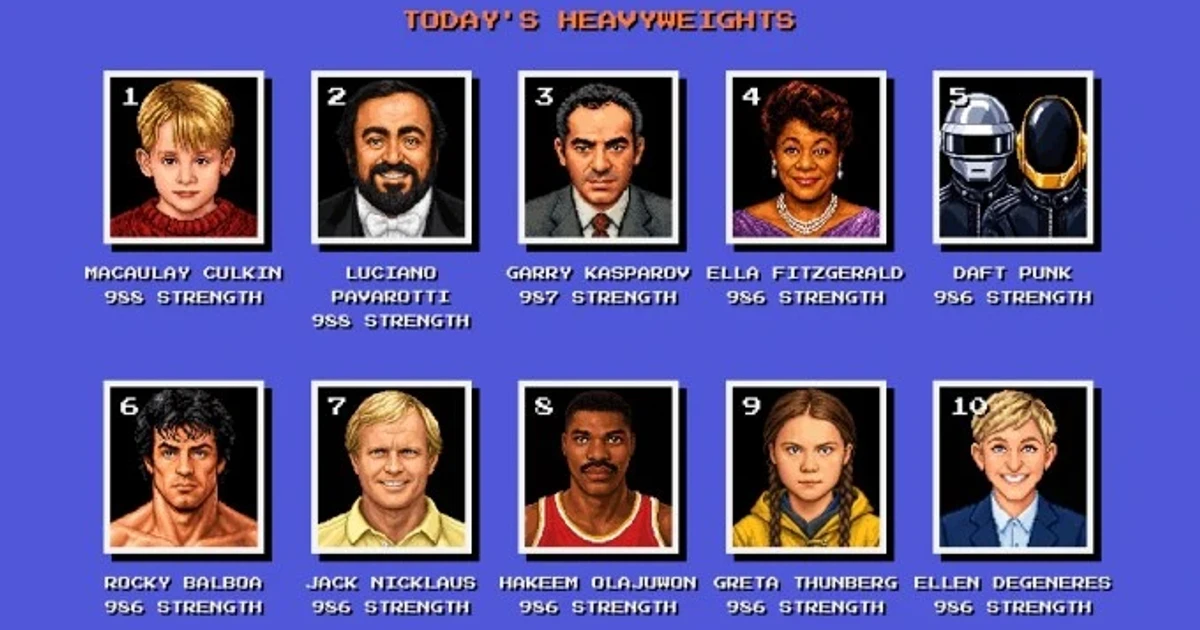
A new vanity site from two former OpenAI designers turns a basic question, can an AI remember your name, into a public leaderboard. In the Weights assigns a strength score to names by checking how well several models can recall a person without using web search, then clustering the responses into a single number.
The project was built by Thomas Dimson and Joey Flynn, who said they wanted to get the "creative juices flowing again" after leaving OpenAI. Both had joined OpenAI through its August 16, 2023 acquisition of their startup Global Illumination, and OpenAI said at the time that the entire team would work on core products including ChatGPT. Their new site frames the exercise around "the weights," the billions of numerical parameters that, in its telling, form an AI model’s knowledge.

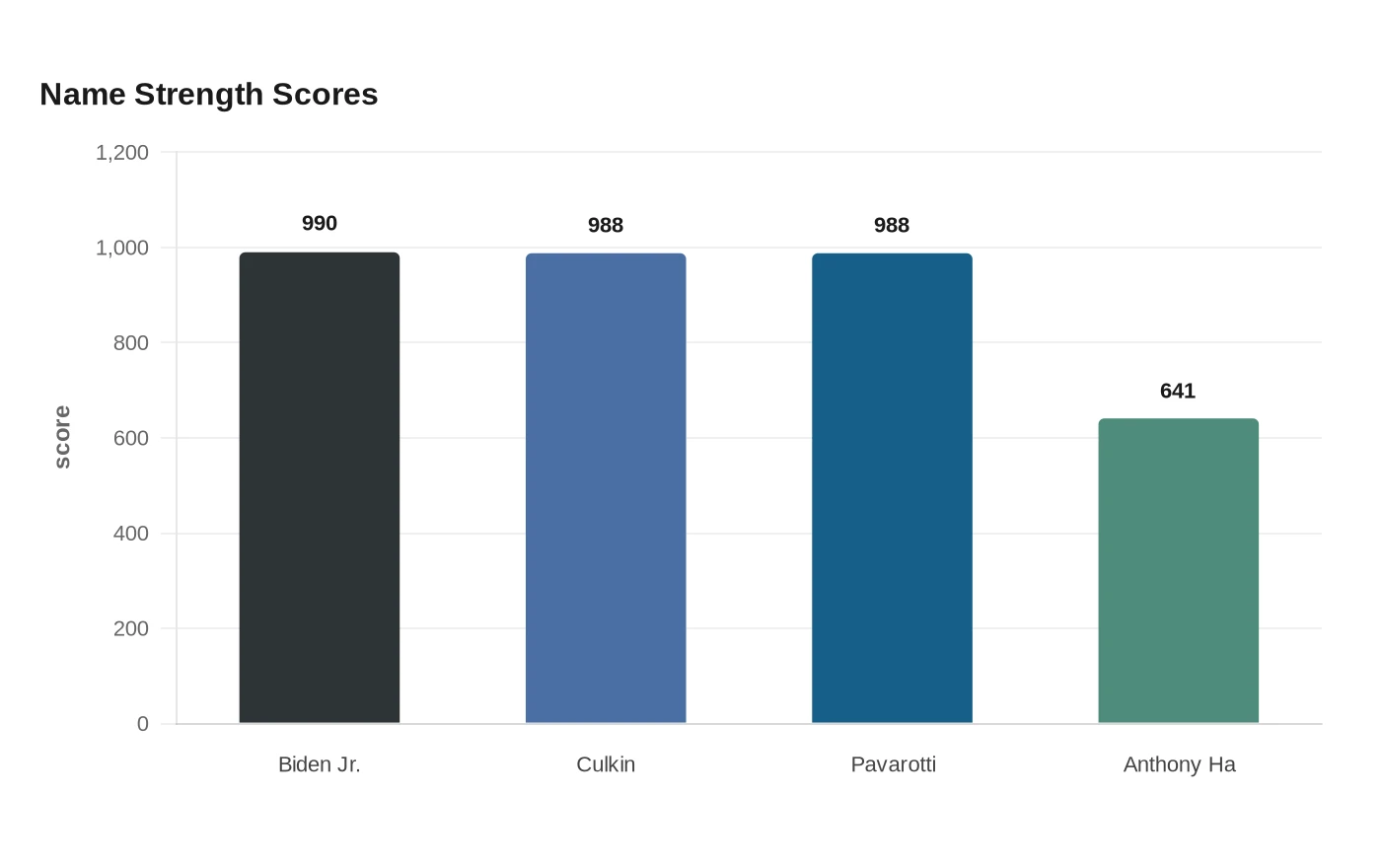
The homepage’s current leaderboard reads like a popularity contest for machine memory. Joseph R. Biden Jr. sits in the top spot with a strength score of 990, while Macaulay Culkin and Luciano Pavarotti are both at 988. TechCrunch reported that the site checks names against multiple models, including GPT-5.5, GPT-5.4 Mini, Opus 4.8, Haiku 4.5, Grok 4.20, Gemini 3.1 Lite, Kimi K2 0905, DeepSeek V4, Llama 3.3 70B, Llama 3.2 1B, GLM 4.7 Flash, Mistral 3.2 24B and Qwen3 8B.
The scoring system has already produced the kind of brittle behavior that exposes both the joke and the limits of the joke. TechCrunch reported that Anthony Ha’s own score was 641, putting him in the top 6 percent of names, but also that the leaderboard shifted as the story was being written because models surfaced hallucinations and ambiguity. In one example, GPT-5.4 Mini reportedly treated Anthony Ha as an ambiguous name form, a reminder that these rankings are not measuring identity so much as a model’s unstable guesswork about it.
Dimson told TechCrunch that the idea came from the sense that Google vanity searches are no longer the main way people are learned about online as traffic shifts toward large language models. He said many lives are now encoded in floating-point numbers inside AI systems, and described the reaction to the project as "insane so far." That enthusiasm says as much about the market as it does about the product: consumer AI is moving beyond answering questions and into ranking people, packaging attention, and inviting users to measure themselves against systems that still cannot reliably tell memory from hallucination.
Sources
- [1]techcrunch.com
- [2]intheweights.com
- [3]openai.com