Entertainment
Former Traitors contestant Sam Little warns after £40,000 scam loss

Sam Little, the Faithful from series four of BBC’s The Traitors, lost £40,000 after scammers used fake bank texts to drain his cryptocurrency account. The North Yorkshire account manager said the money was his life savings, turning a familiar-looking fraud into a devastating personal loss for a public face many viewers would recognise.
Little said the scam began earlier in 2026 when he received messages that appeared to come from his bank and warned of suspicious activity on his cryptocurrency account. The texts supplied a UK helpline number, and when he called it, he was drawn into what he believed was a genuine security check. Instead, the fraudsters took him through his investments one by one, used fear tactics to keep him off balance, and mirrored his account page so the process looked official.

By the time Little’s wife, Alex, found online warnings showing the number was linked to phishing scams, the money had already been emptied. Little said he felt shame and embarrassment about speaking out, but wanted to warn others to double-check any unexpected banking texts and phone numbers before acting on them. He said he reported the crime to police, but the case had already been logged and nothing could be done to reverse the damage.
The scam shows how bank-impersonation fraud now works as a psychological attack as much as a technical one. Victims are pushed to respond quickly, handed a number that appears to be legitimate, then guided into surrendering access while the criminals imitate familiar screens and language. For Little, that pressure ended with all of his investments gone in a matter of calls.

The loss also underlines a wider problem across the UK, where phishing and spoofing scams continue to strip people of savings and leave emotional as well as financial damage behind. In Sheffield, council and trading standards teams have dealt with fraud cases involving residents who lost thousands of pounds, and officials have previously warned that victims can suffer a huge emotional impact. Cases there have ranged from a woman losing just over £2,500 in a telephone scam to another losing more than £30,000 in a spoofing bank scam, while 22 people were also identified in an international mail scam scheme tied to Kansas and later due a share of more than £2,300 from a $25 million payout.
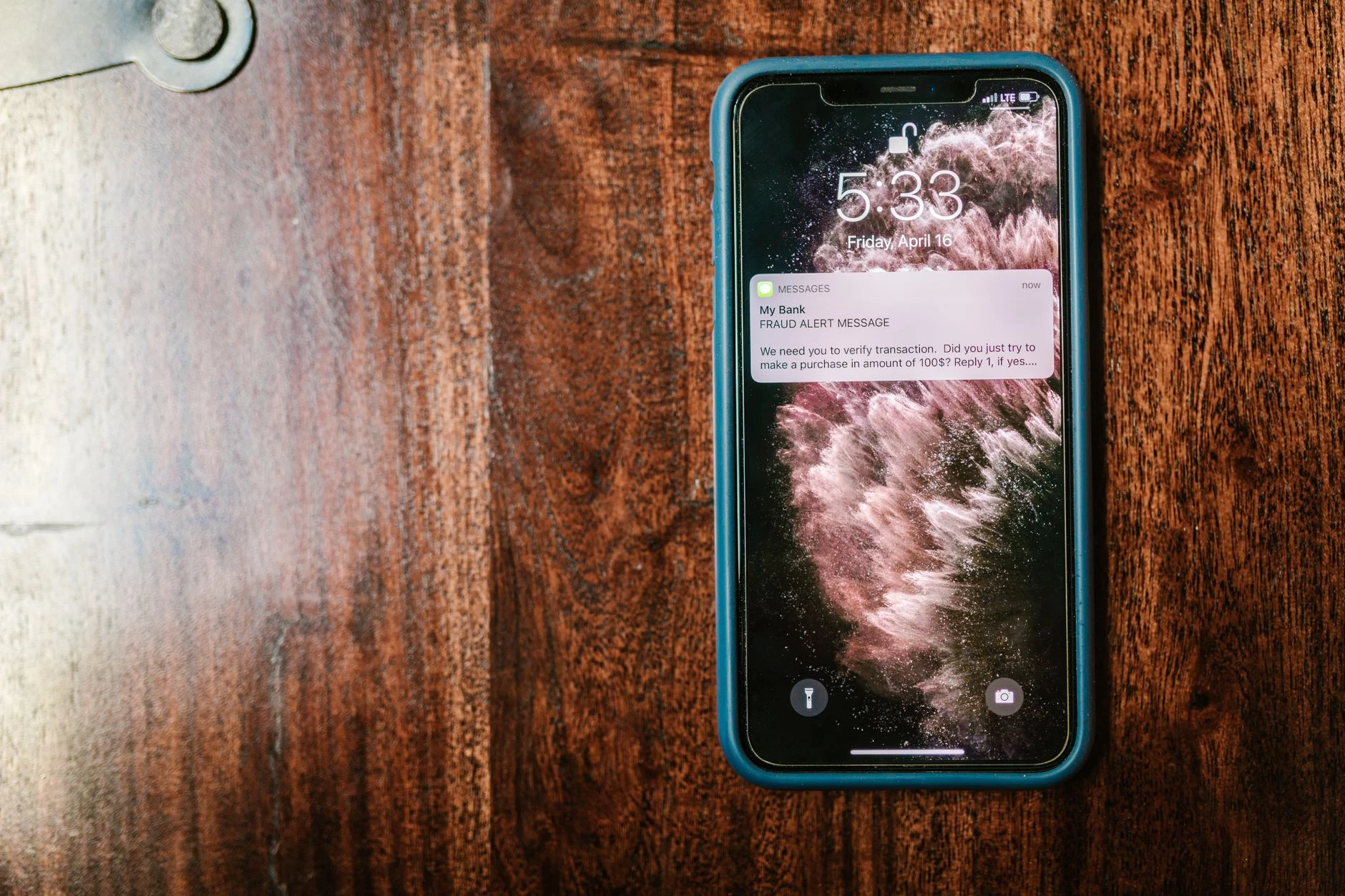
Little’s case shows how little protection victims can expect once the money has moved. The fraud is over in minutes, but the damage can last far longer, especially when the stolen sum is not spare cash but a lifetime of savings.
Sources
- [1]bbc.com
- [2]express.co.uk
- [3]gbnews.com
- [4]femalefirst.co.uk
- [5]thestar.co.uk