Politics
Former USAID administrator reflects on agency's collapse, US aid shift
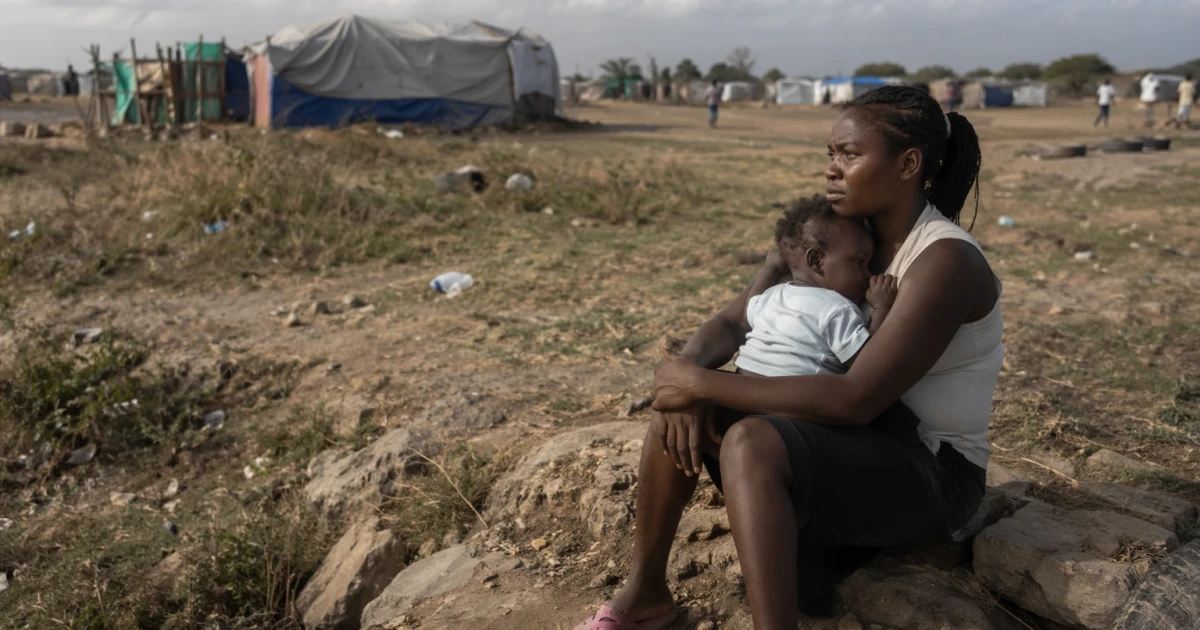
USAID’s collapse has turned a sprawling foreign policy instrument into a closeout operation, with personnel cuts, award terminations and the transfer of billions of dollars in humanitarian and development funding to the U.S. Department of State. The agency, created under the Foreign Assistance Act of 1961, had long been the principal U.S. agency for development assistance and maintained a presence in 87 countries before its effective shutdown.
The practical losses are broad. USAID programs were built to support economic growth, combat disease, promote democratic reform, address food insecurity, assist disaster recovery, alleviate poverty and help countries emerging from conflict. With those functions now shifted or frozen, the U.S. aid footprint is being dismantled in plain view, even as USAID continues to exist as a statutory entity on paper.
The scale of the disruption widened after President Donald Trump signed an executive order freezing foreign aid on Jan. 20, 2025, the first day of his second term. Within weeks, overseas assistance was slashed and USAID was dismantled, creating confusion across nearly all of the 130 countries with USAID-supported programs. In Lesotho, where U.S. support had been central to HIV care, the cuts left health workers laid off, clinics closing and patients rationing pills.
The USAID Office of Inspector General has described the agency’s role as the backbone of U.S. development assistance and has warned that its independent operations have effectively ended. In a 2025 oversight document, the watchdog said remaining staff were focused mainly on terminations and closeout work. It also said it was handling 210 ongoing criminal, civil and administrative matters and 42 ongoing audits, evaluations and inspections tied to USAID programs and closure procedures.
Congress created the inspector general office in 1980 through Public Law 96-533, giving it oversight authority over USAID and any successor agency primarily responsible for carrying out part of the Foreign Assistance Act. That oversight now sits over a system in transition, as aid programs once run from Washington are absorbed into the State Department and the question shifts from survival to identity: whether America’s aid architecture is being rebuilt, renamed or simply erased.
Sources
- [1]npr.org
- [2]oig.usaid.gov
- [3]usaid.gov
- [4]apnews.com