Business
Former Wisk manager alleges rushed software testing before flight test
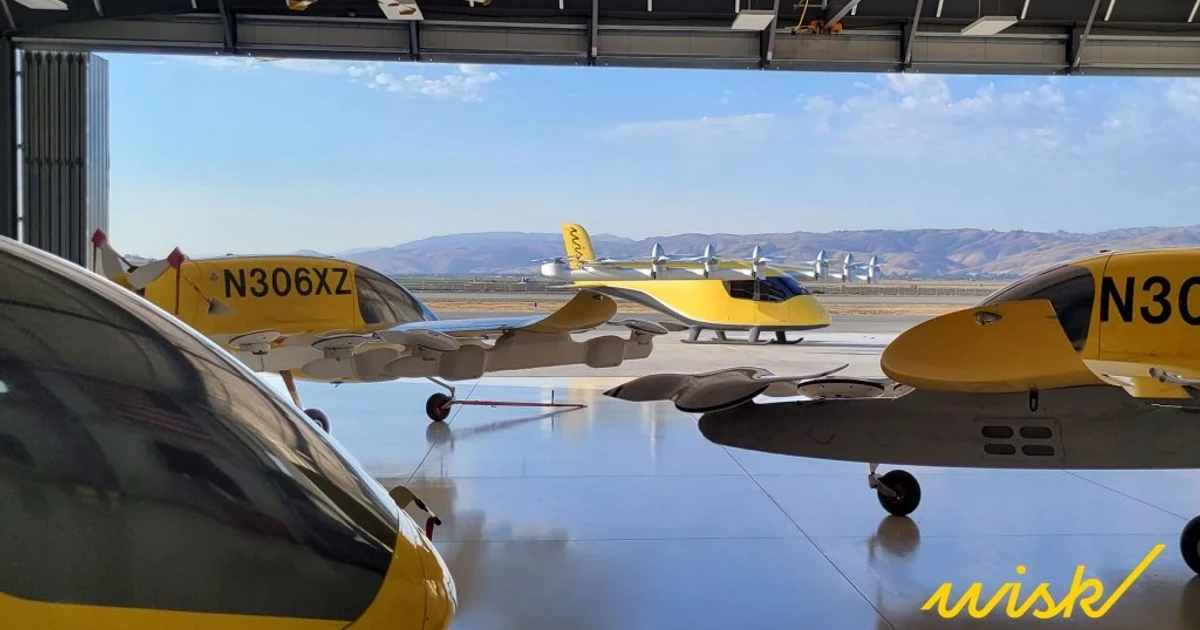
Briahna O’Neill’s March 13, 2025 lawsuit says Wisk engineers cut FAA-required software testing to keep a 2025 flight-test schedule for the company’s Gen 6 air taxi. The former software manager alleges discrimination, retaliation and wrongful termination after she raised safety concerns inside the Boeing-owned startup.
O’Neill says she filed two internal safety reports warning that testing had been reduced to meet a deadline tied to the first flight of Wisk’s sixth-generation aircraft later that year. She claims Wisk fired her in March 2025, just weeks after the second complaint. The case remains open in Santa Clara County Superior Court.
The dispute puts fresh pressure on Wisk, a wholly owned Boeing subsidiary based in Mountain View, California, as it pushes toward commercial service. Wisk describes Gen 6 as a four-passenger autonomous electric vertical takeoff and landing aircraft designed to meet commercial aviation safety standards, and says its aircraft and program have logged more than 1,750 safe test flights.
The timing matters because Wisk has continued to publicize technical milestones even as the lawsuit moves forward. The company reported the first flight of its Generation 6 aircraft on December 16, 2025, then said on May 4, 2026 that a second Gen 6 aircraft had accelerated its flight-test program. Wisk also announced on March 9, 2026 that it and Texas were selected by the White House and the Federal Aviation Administration for the Electric Vertical Takeoff and Landing and Advanced Air Mobility Integration Pilot Program, which it called a key pathway to early U.S. commercial operations.
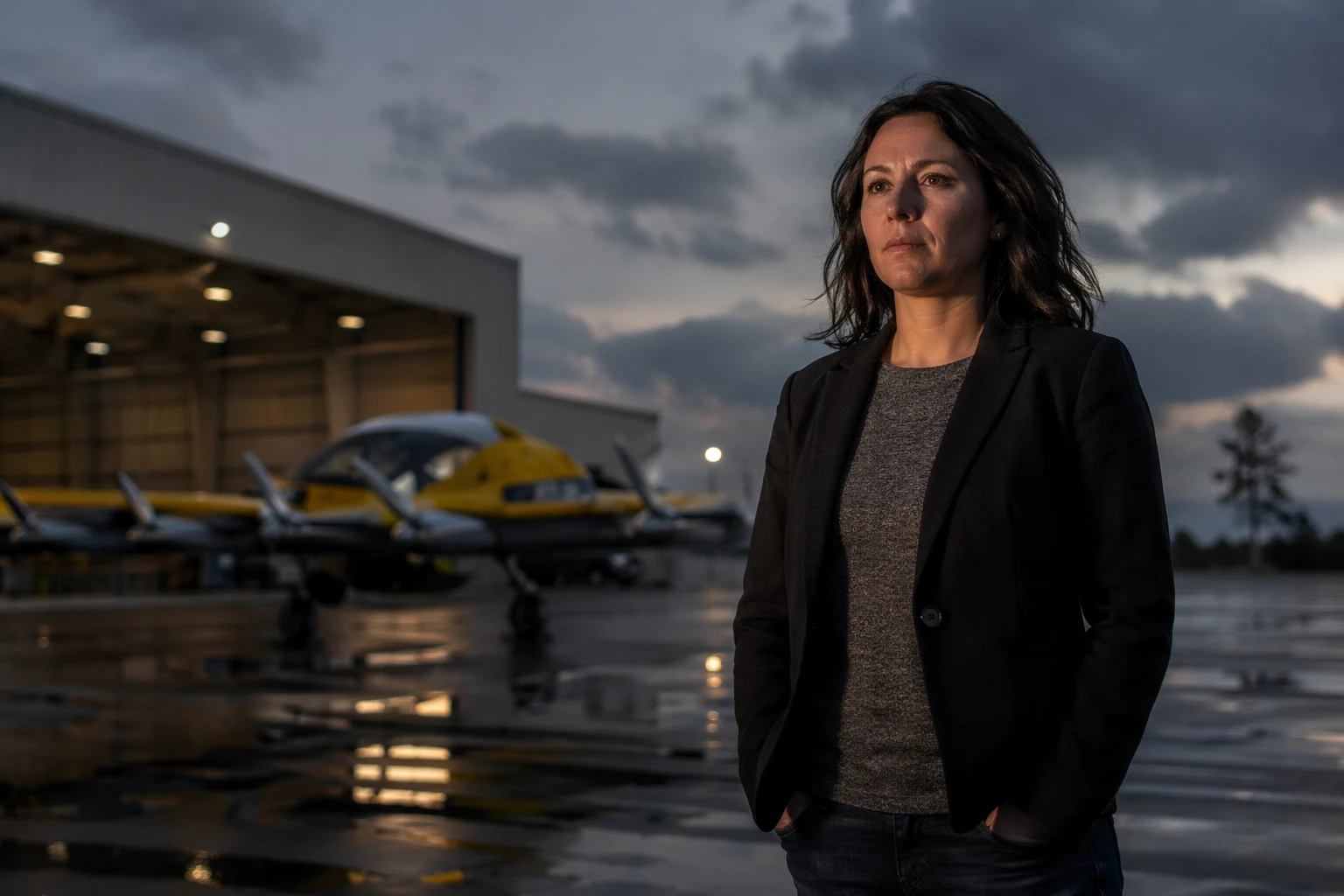
The case also lands in a regulatory environment shaped by whistleblower protections in aviation. FAA rules allow covered workers to bring retaliation complaints to the Occupational Safety and Health Administration under AIR21, a process designed to protect employees who raise safety issues.
Boeing declined to comment. For Wisk, the lawsuit ties its rapid push toward certification to the same question that has shadowed much of Boeing’s wider aviation business: whether schedule pressure can outrun safety oversight, especially when engineers inside a startup say testing was scaled back to meet a milestone.
Sources
- [1]techcrunch.com
- [2]seattletimes.com
- [3]unicourt.com
- [4]wisk.aero
- [5]faa.gov