Business
Fortescue faces class action over alleged sexual harassment at mines
Fortescue has been hit with a class action alleging widespread sexual harassment of women at remote mining sites, putting the iron ore giant at the center of a broader reckoning over the culture of fly-in, fly-out operations. The case adds another major miner to a legal wave that has already reached Rio Tinto and BHP through actions brought by the law firm JGA Saddler.
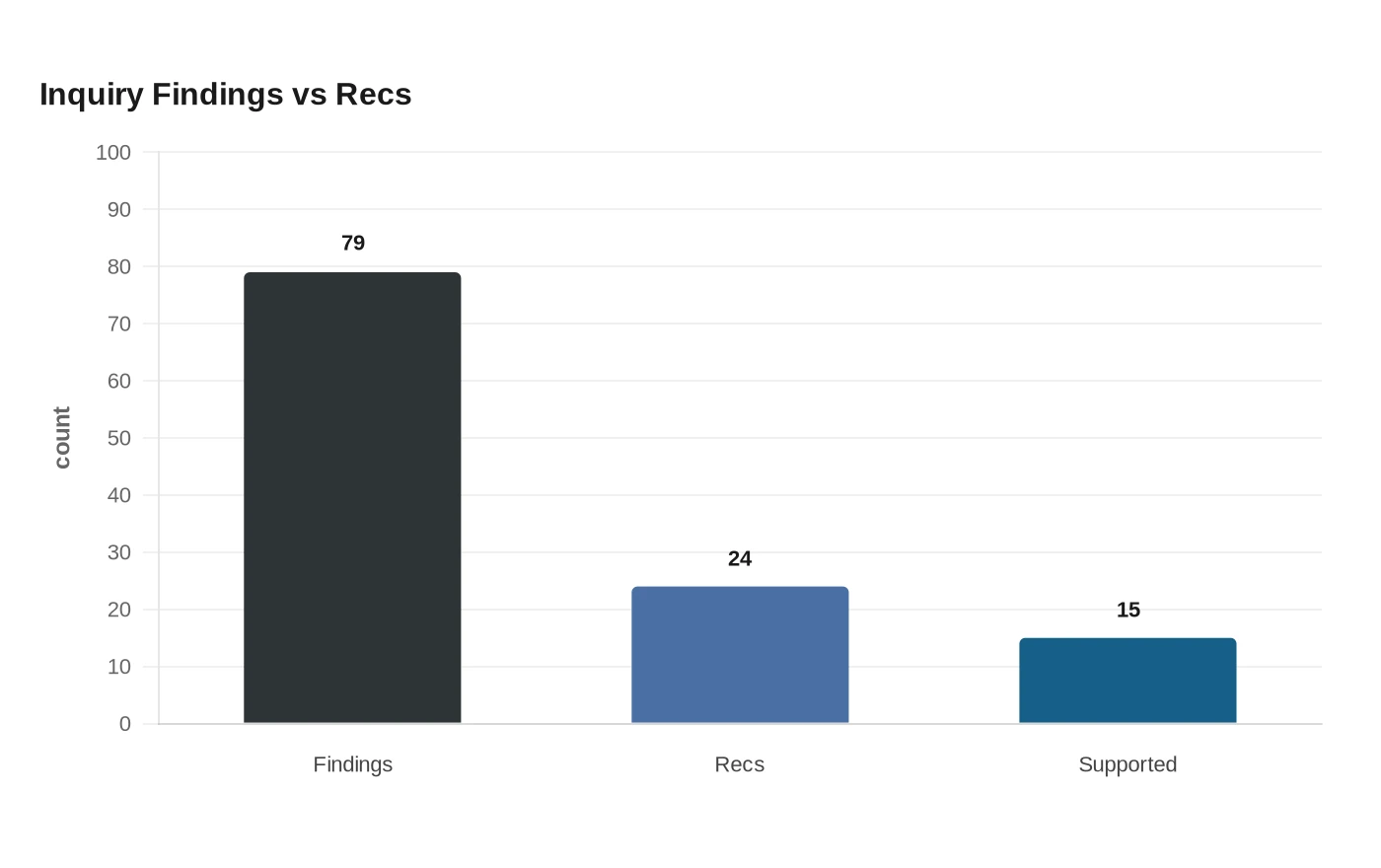
The complaint lands against a backdrop of long-running warnings from Western Australia’s own parliament. A 2022 inquiry into sexual harassment against women in the FIFO mining industry was tabled on 23 June 2022 and set out 79 findings and 24 recommendations after documenting harassment and assault as systemic problems. The state government said in September 2022 that it supported all 15 recommendations within its responsibility to implement.
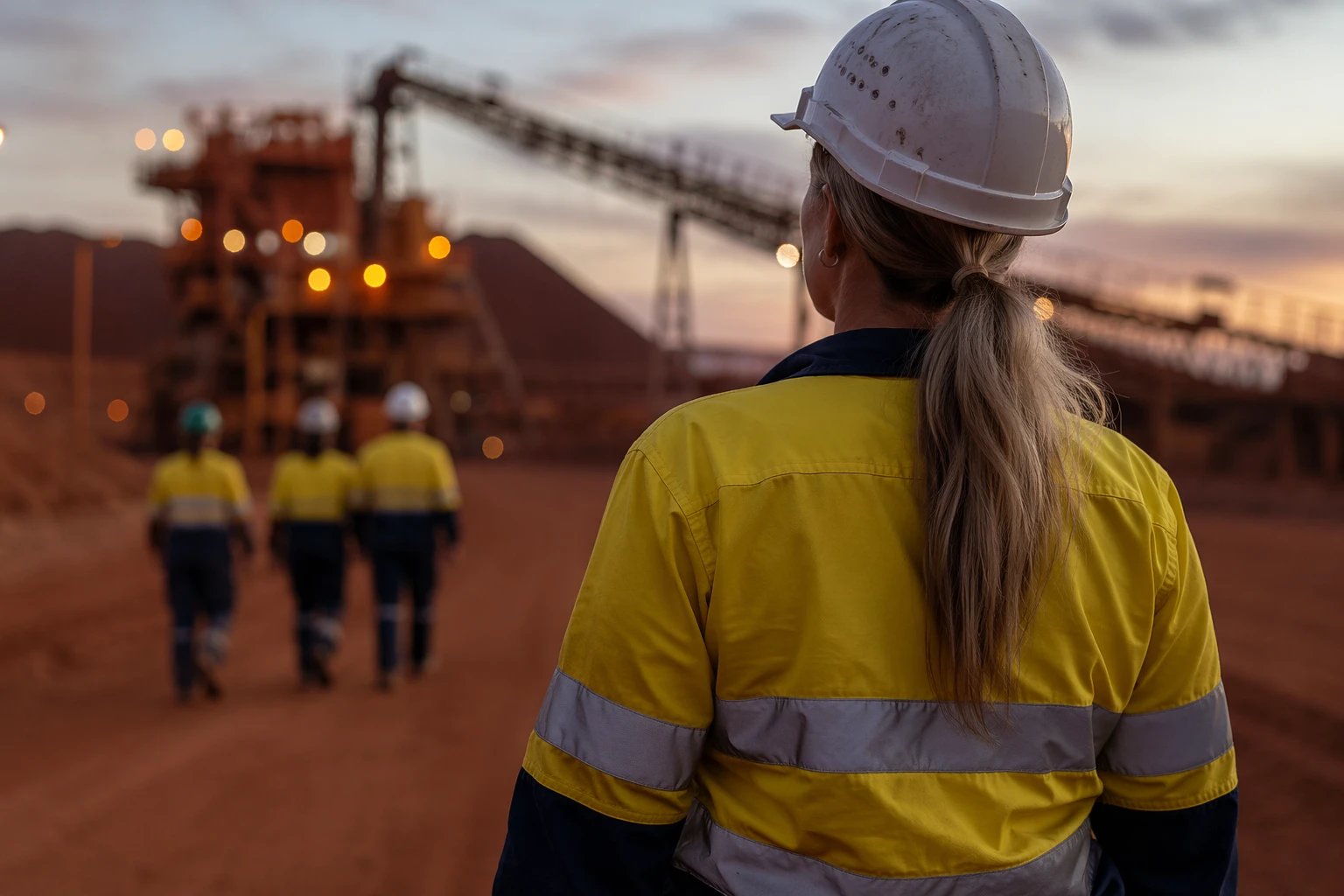
Fortescue’s own disclosures show the scale of the issue remains material. The company reported 22 sexual harassment cases to Western Australia’s mines safety regulator in the 2025 financial year, a figure that was down 27% from the previous year. Its sustainability materials say it filed its annual report to the Workplace Gender Equality Agency and met regulatory requirements related to workplace equity, while also noting that information reported to the safety regulator during the year was not limited to substantiated cases.
The class action materials include 45 testimonials from women, and the allegations reach into the conditions of remote worksites themselves. Women have described underwear being stolen from shared laundries, inappropriate touching and men following them to their rooms. The case materials also say some complainants were demoted, dismissed, silenced or blacklisted from the industry, deepening concerns that speaking up can carry career costs.
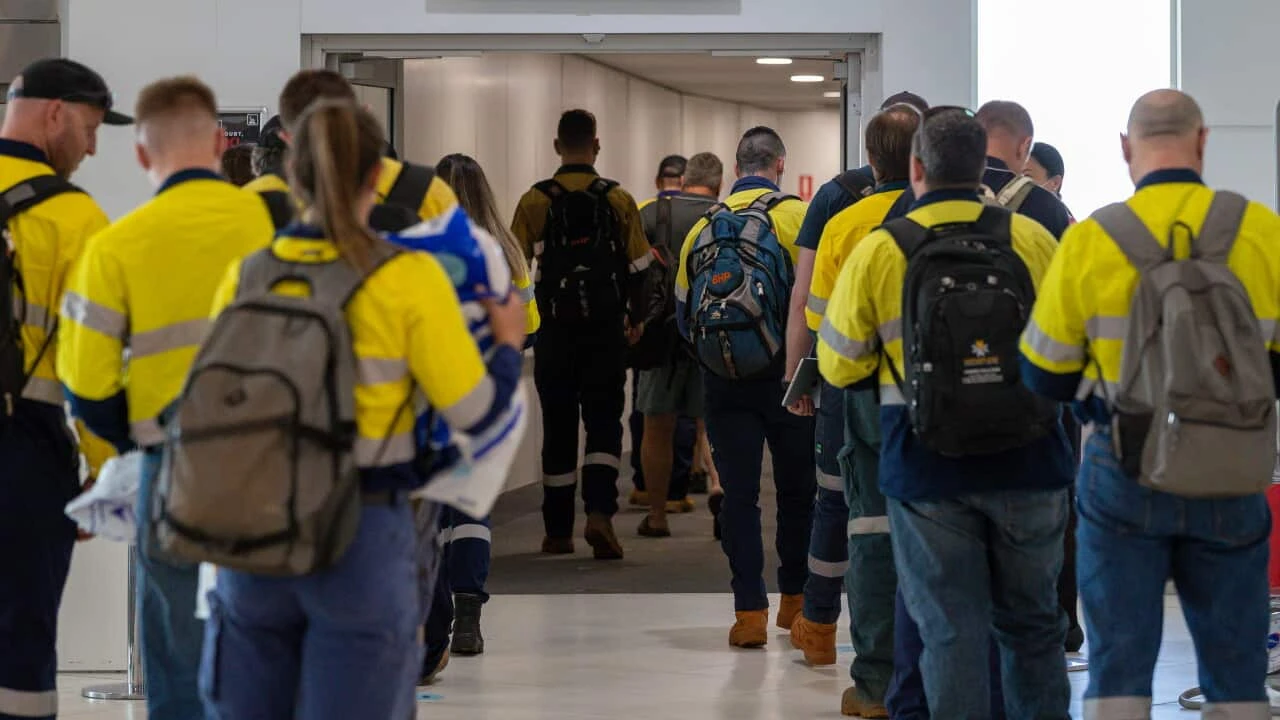
Fortescue said sexual harassment and unlawful discrimination had no place in the company and said it remained committed to a safe, respectful and inclusive workplace. The company also said it was investing $300 million to improve living quarters and safety measures, including deadlocks, swipe-card access systems, CCTV and better lighting.
The dispute matters well beyond one company because the mining sector still depends heavily on remote FIFO labor and women remain a minority in the workforce. Women made up about 22% of Australia’s mining workforce, up from about 18% at the start of the decade, but the latest claims show how slowly culture changes on isolated sites where oversight is difficult and power imbalances are built into the job.