Science
Fossil Jaw Discovery Sheds Light on Cretaceous 'Kraken'
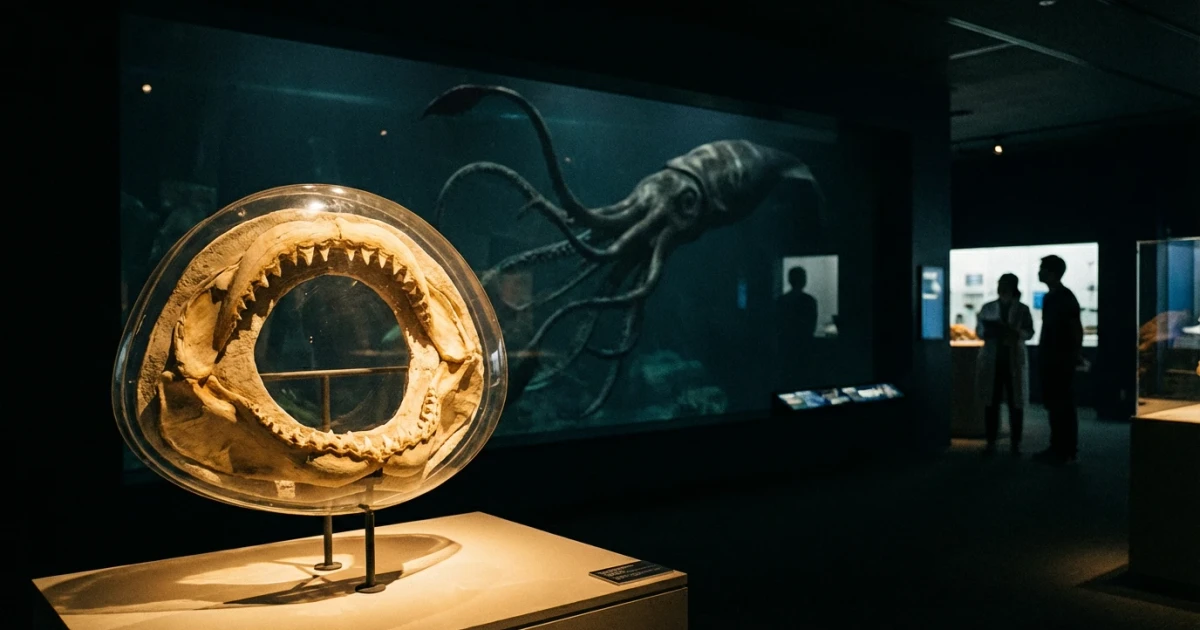
A recent fossil discovery is captivating scientists and the public alike, providing fresh evidence for the existence of a colossal cephalopod that prowled the oceans during the Late Cretaceous period. New analysis of fossilized jaw remains suggests this ancient cephalopod reached lengths of up to 60 feet, drawing comparisons to legendary sea monsters like the Kraken.
Unearthing a Giant: The Fossil Find
The remarkable fossil jaw, described in coverage by NPR and National Geographic, was uncovered in marine sediment dating back nearly 80 million years. The specimen's size and structure indicate it belonged to a giant member of the coleoid cephalopod group—a lineage that includes modern squids and octopuses.
- The jaw measures several feet across, far surpassing those of modern giant squids, whose beaks rarely exceed a few inches.
- Estimates based on jaw proportions suggest a total body length approaching 60 feet, rivaling or exceeding today's largest known cephalopods.
This find adds to the growing body of evidence that giant cephalopods like Tusoteuthis were apex predators in the Cretaceous seas, preying on large fish and other marine reptiles.
Kraken of the Cretaceous: Myth Meets Fossil Record
The discovery has reignited interest in the real-life inspirations behind the Kraken myth. While the legendary Kraken is often depicted as an enormous octopus or squid attacking ships, scientific evidence for such creatures has been sparse—until now.
Data from the American Museum of Natural History's fossil cephalopod collection supports the view that large predatory cephalopods were indeed present in ancient oceans, though none previously matched the scale suggested by this new jaw fossil.
- Many fossil cephalopods, such as the well-known ammonites, had coiled shells, but coleoids like Tusoteuthis were soft-bodied and rarely fossilized well.
- The preservation of a jaw this large is exceptionally rare, providing a unique window into the biology of these elusive giants.
Scientific Implications and Ongoing Research
Paleontologists emphasize that jaw size can be a reliable indicator of total body length for cephalopods. By comparing the fossil jaw to those of modern squid and cuttlefish, researchers can make educated estimates about the ancient animal's dimensions and predatory capabilities.
Further analysis is underway to determine the precise taxonomic identity of this specimen. Some experts suggest it could represent a new species or a particularly large member of the Tusoteuthis genus, known from other Cretaceous deposits but never before at this size.
As reported by NPR, the discovery underscores the remarkable diversity and ecological dominance of cephalopods during the Cretaceous period. These findings align with broader research into giant coleoids from Japan and elsewhere, which point to convergent evolution of large body size among predatory cephalopods.
Exploring the Legacy of Ancient Sea Monsters
While the fossil record remains incomplete, each new discovery helps paleontologists piece together the lives of ancient marine giants. The latest jaw fossil not only sparks the imagination but also provides concrete data for understanding the evolutionary history of cephalopods.
Ongoing research and additional fossil finds may eventually reveal whether this 'kraken' was a unique outlier or part of a lineage of supersized predators. For now, the evidence points to a richer and more dramatic history of ocean life in the Cretaceous than previously imagined.
With this discovery, scientists take one step closer to unraveling the mysteries of Earth's prehistoric oceans—and to understanding the kernels of truth behind ancient tales of sea monsters.