Technology
Foundation Alloy aims to reinvent metallurgy with low-energy solid-state process
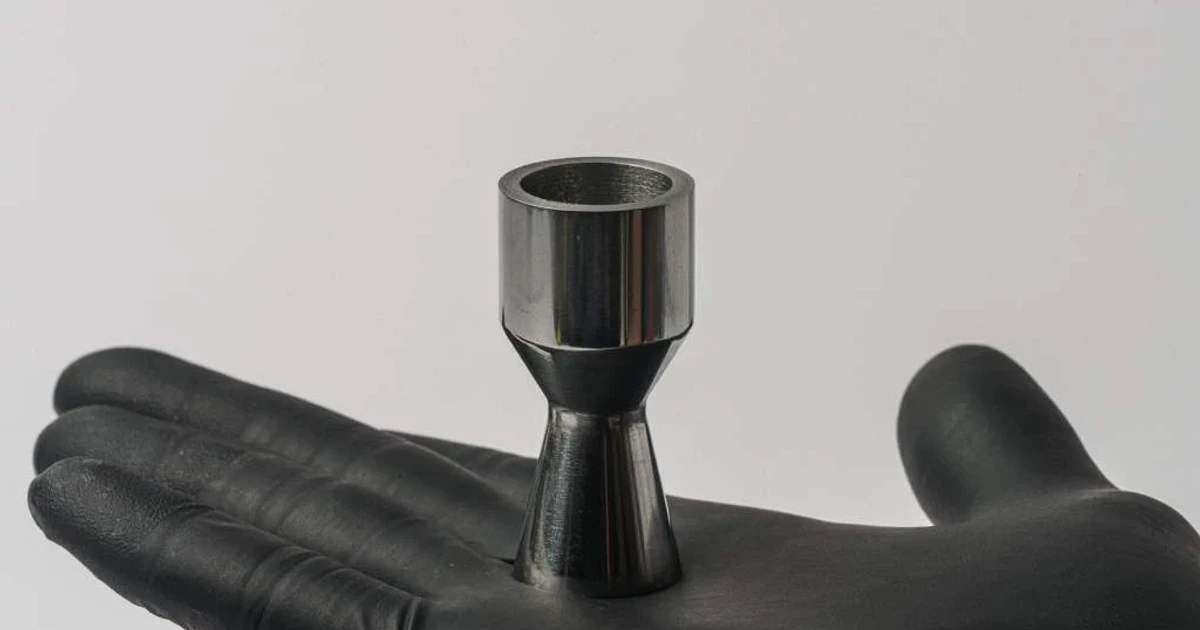
Stronger alloys, shorter lead times and less energy use are now part of the same pitch at Foundation Alloy, a startup betting that metallurgy can be rebuilt for the needs of defense manufacturing and high-end supply chains. The company says its MetalsFIRST platform skips melting altogether, using a special mill to smash metal powder particles together until they form new alloys with tightly controlled chemistry and microstructure. Foundation Alloy traces the process to solid-state metallurgy research at MIT and UC Irvine, and says the approach can use about an order of magnitude less energy than traditional melting-based alloying.
That industrial argument is already pulling in buyers. Foundation Alloy says it is shipping products today to customers across automotive, defense and consumer sectors, with materials in hand across North America, Europe and Japan. The company says early customers in the U.S., Japan, Germany, Switzerland and Canada are looking to source from the U.S., a sign that domestic production is becoming a commercial selling point rather than a patriotic slogan. Foundation Alloy also says some military-industrial components are running 900-day lead times, a delay that can keep aircraft grounded and slow efforts to rebuild defense stockpiles.
To push past pilot scale, Foundation Alloy raised a $22 million Series A led by Voyager Ventures, with participation from Trust Ventures, Yamaha Motor Ventures, America’s Frontier Fund, Overlap Holdings, Material Impact, Engine Ventures and El Cap. Kanematsu Corporation also made an additional investment and signed a distribution partnership for Japan and Southeast Asia. The company says the money is going into a new 36,000-square-foot Massachusetts facility and a modular production cell with Re:Build Manufacturing in southern New Hampshire, part of a plan to scale from pilot production to tons per week by 2027, roughly a 100x increase.
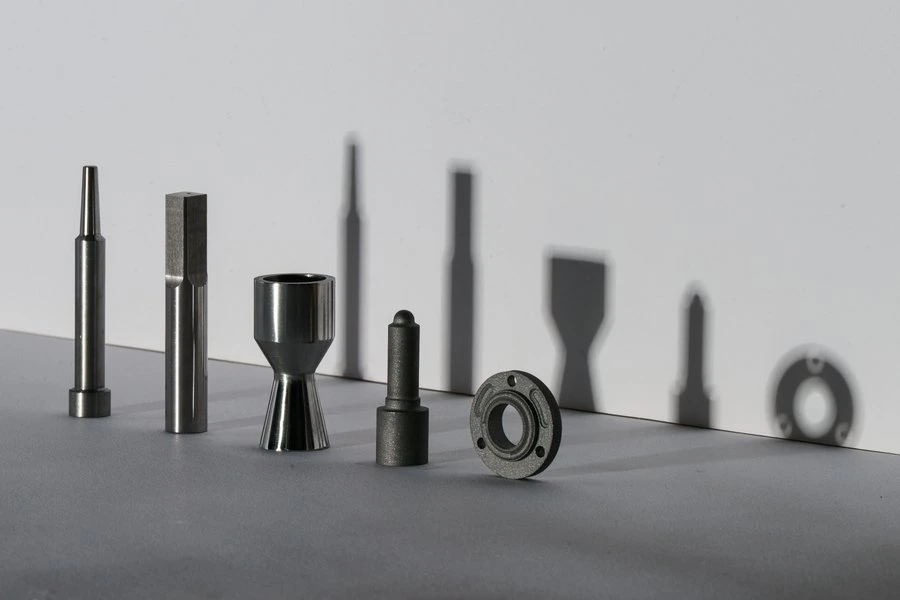
The company’s first commercial push is Molyclast MC1200, launched on January 6, 2026. Foundation Alloy says the molybdenum alloy is up to 3x stronger than the current market leader, keeps predictable strength from 25°C to more than 1,500°C, and has exceptional room-temperature ductility. It also says MC1200 can eliminate more than 60% of processing time and scrap in refractory component manufacturing, while its fully recrystallized microstructure delivers grain sizes about 100x smaller than conventional molybdenum alloy components. The target markets include semiconductor manufacturing, aerospace and defense, and medical imaging.
The larger test for Foundation Alloy is whether a process born in academic labs can become a real industrial platform. The company says its modular equipment can deploy and scale 10x faster than traditional metals manufacturing, a claim that matters if the goal is not just novelty but reshoring, faster weapons production and more resilient supply chains. If the technology holds up at volume, it could change where strategic metals are made and how quickly the U.S. can move from constraint to capacity.