US News
Founders’ creed remains contested, centuries after the Declaration of Independence
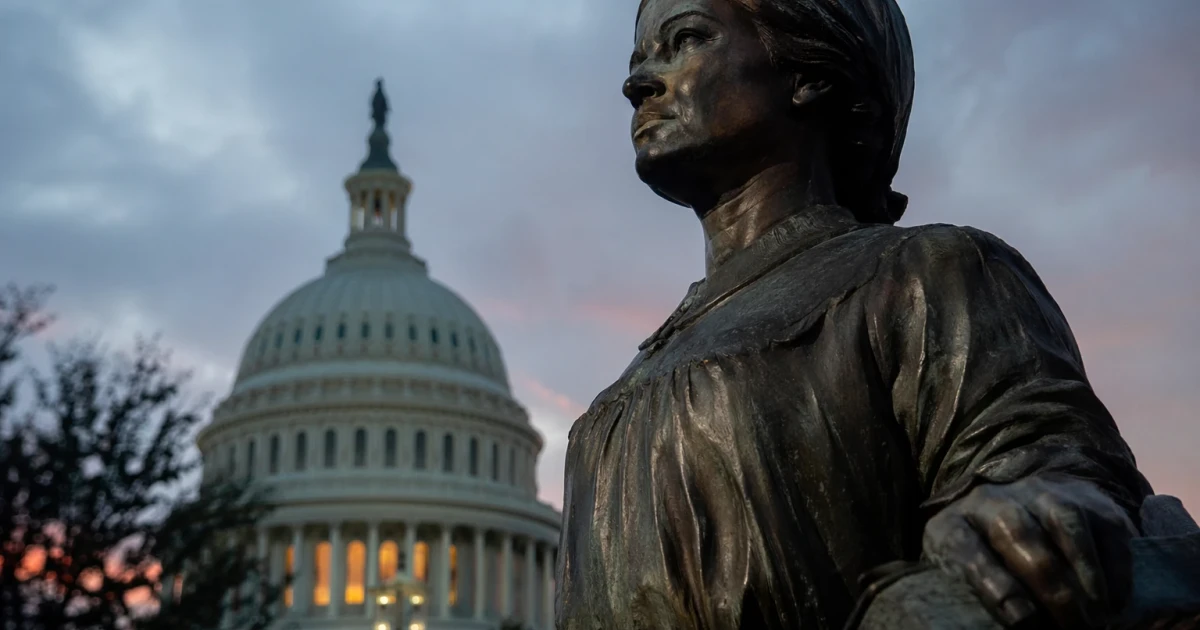
The phrase “all men are created equal” entered American life as both a promise and a problem. It helped define the nation’s founding creed, yet from the beginning Americans have argued over whether those words described universal equality, political independence, or a narrower claim about the colonies themselves.
A declaration built for revolution, not only reflection
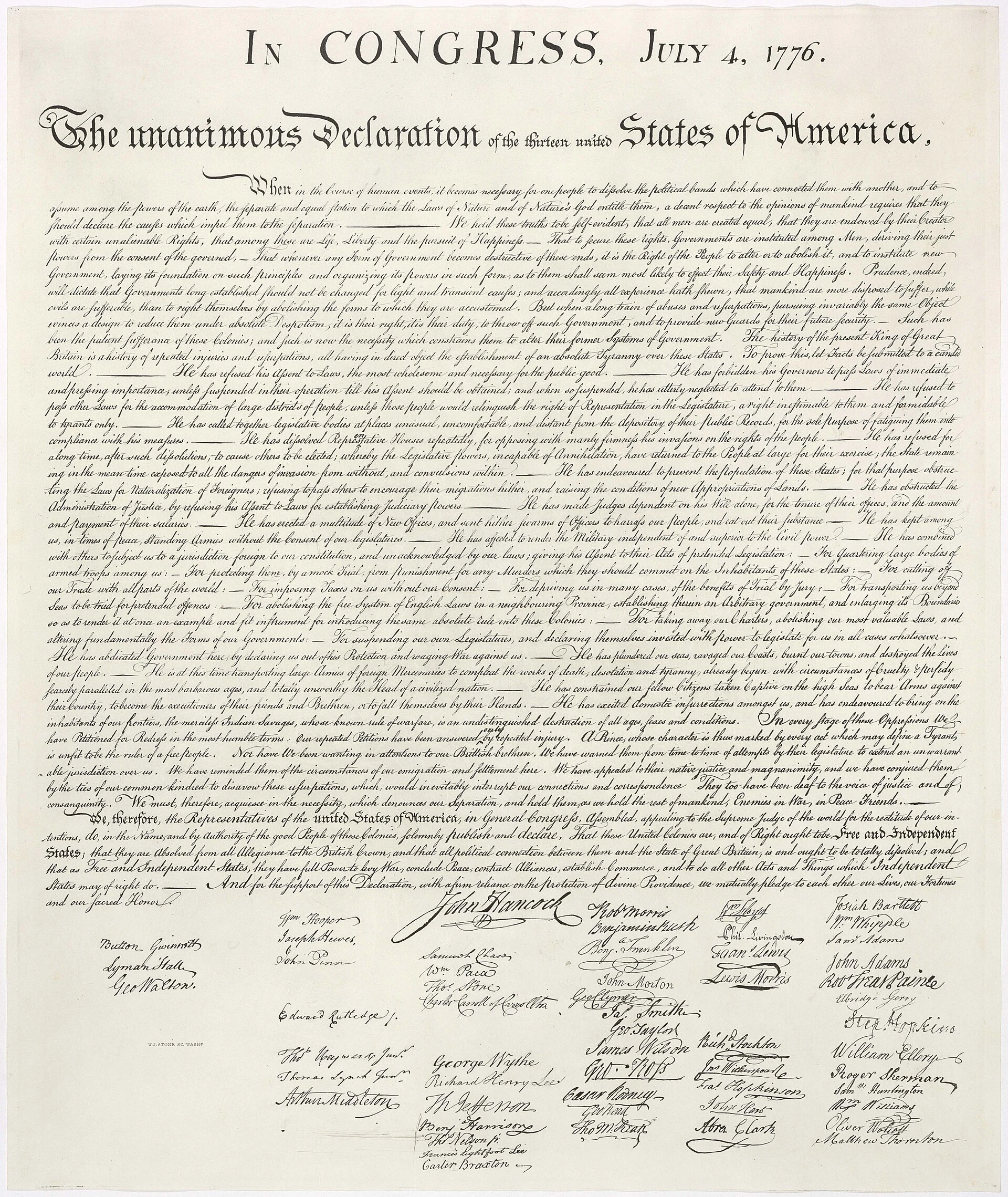
The Continental Congress adopted the Declaration of Independence on July 4, 1776, and the signed parchment copy began being signed on August 2, 1776. The document was never just a ceremonial statement. It was designed to explain the colonists’ right to revolution, rally support, win foreign allies, and announce a new country to the world.
That purpose matters because it shaped how the Declaration has been read ever since. The National Archives describes it as a text that states the principles on which government and American identity are based, while also noting that it is not legally binding. Its force comes from political meaning, not courtroom enforcement. That is why debates over its language have remained so consequential: the document does not settle the question of equality so much as launch it.
Who counted in “all men”
The most enduring dispute centers on the word “all.” The Library of Congress says the meaning of “all men” has been contested since the Declaration’s creation, including arguments that the wording excluded women and children. Other readers have understood it more broadly, as a statement about humanity rather than a literal limit on citizenship or political rights.
That tension is not a modern invention. The Declaration’s appeal to equality was written into a world organized by hierarchy, slavery, empire, and male political authority. The gap between the ideal and the society that embraced it has kept the phrase alive in American politics because every generation has had to decide whether the words were descriptive, aspirational, or incomplete.
Jefferson’s language came from earlier revolutionary texts
Thomas Jefferson did not write in a vacuum. Historians have long noted that his language drew on earlier sources, including Thomas Paine’s Common Sense and George Mason’s Virginia Declaration of Rights. Mason’s declaration was adopted on June 12, 1776, just weeks before Congress approved Jefferson’s draft.
That lineage is important because it shows the Declaration as part of a wider revolutionary argument, not a single isolated burst of genius. Jefferson adapted ideas already circulating among colonists who were wrestling with authority, rights, and the legitimacy of breaking from Britain. The phrase that later became a national creed was assembled from a political moment already in motion.
What the founders may have meant, and what they did not
Stanford historian Jack Rakove has argued that the founders did not intend “all men are created equal” to mean individual equality in the modern sense. In that reading, the phrase referred instead to the colonies’ equal status and their claim to self-government. The Declaration was asserting that the American colonies stood as political equals among nations and had the right to govern themselves.
That interpretation changes the center of gravity in the founding story. Rather than a broad social promise that erased hierarchy, the phrase becomes a constitutional and diplomatic claim about sovereignty. The founders were making the case that a people could determine its own political future, even if the society they inherited still denied full equality to many of its members.
Why the argument never went away
The reason the debate persists is that both readings have shaped American history. One tradition treats the Declaration as a moral standard by which the nation is judged. The other treats it as a statement of political independence whose language later generations expanded to include those left outside the original circle of rights.
That divide has made the phrase a recurring test of civic honesty. If “all men” meant only the colonies, then the Declaration was a statement of nationhood. If it also pointed toward broader human equality, then the United States has spent centuries trying, unevenly and often hypocritically, to live up to its own founding words. Either way, the sentence remains a measure of what the country has promised and what it has withheld.
The founding creed as a living dispute
The National Archives says the Declaration remains powerful because it expresses the ideals on which the United States was founded, even though it is not legally binding. That combination explains why the document still commands attention. It is not an enforceable law, but it is one of the nation’s most enduring political claims.
The fight over “all men are created equal” is ultimately a fight over membership in the American promise. The phrase has been invoked to defend independence, expand democracy, challenge exclusion, and expose the contradictions of a republic that proclaimed equality while denying it to many of the people living under its flag. Centuries later, the founding creed still works less like a finished answer than like an open challenge.
Sources
- [1]nytimes.com
- [2]archives.gov
- [3]loc.gov
- [4]history.stanford.edu