Science
Four Streptomyces antibiotics may outsmart drug-resistant bacteria
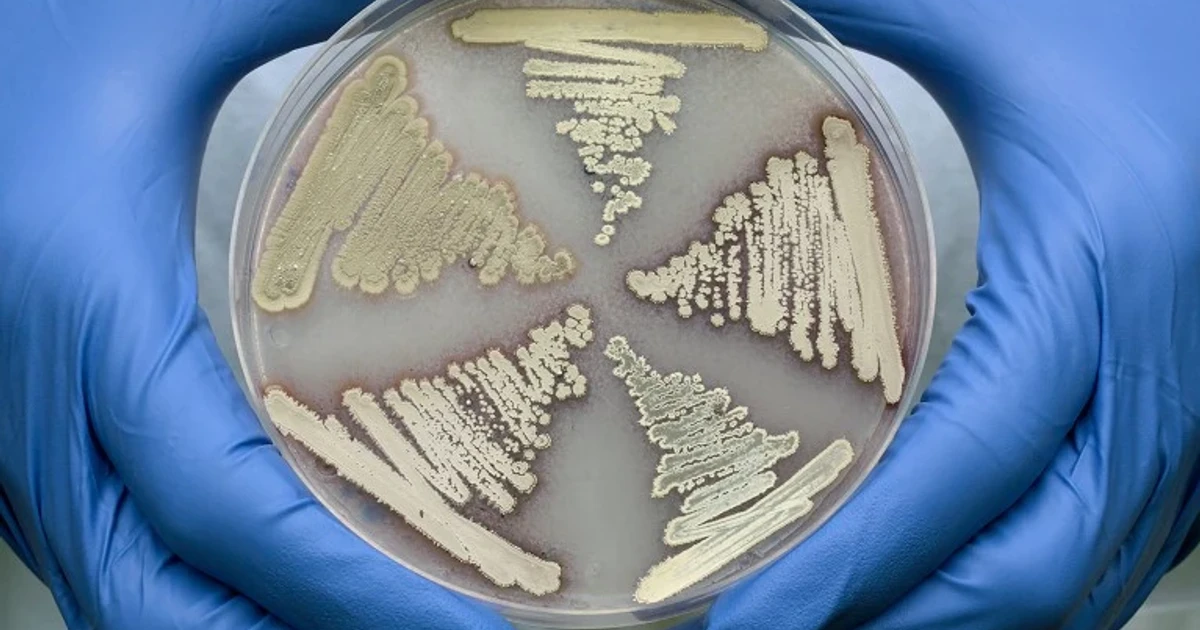
Four antibiotic compounds made by Streptomyces bacteria hit different steps in an essential metabolic pathway, giving drug-resistant microbes fewer simple ways to escape. The finding is drawing attention because it works as a cocktail rather than a single molecule: if one compound blocks one step and another blocks a second, bacteria face several problems at once instead of solving one mutation and moving on.
That matters in a world where antimicrobial resistance is already a major public-health emergency. The Centers for Disease Control and Prevention estimates resistance killed at least 1.27 million people worldwide and was associated with nearly 5 million deaths in 2019. In the United States, more than 2.8 million antimicrobial-resistant infections occur each year. The World Health Organization has warned that without stronger action, medicine could drift toward a post-antibiotic era in which common infections once again become deadly.
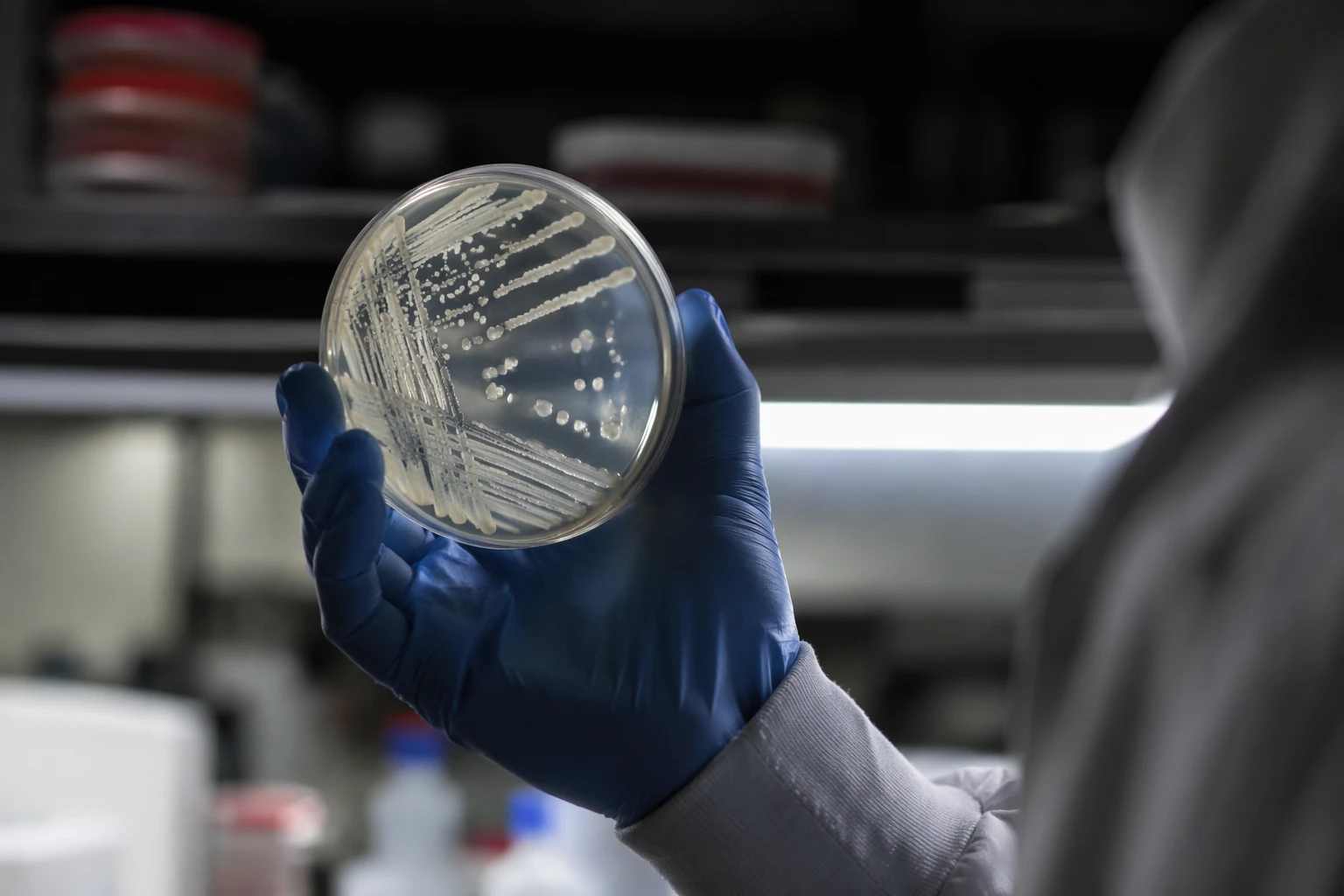
The new work also reinforces why soil still matters to drug discovery. One gram of soil can contain at least 1,000 bacterial species, and Streptomyces has long been one of the richest sources of antibiotics. Here, the bacteria were shown to produce four structurally distinct natural product families that together target different steps in bacterial biotin metabolism, a pathway microbes need to survive. That kind of multi-target pressure is exactly what excites antibiotic researchers, because it is harder for bacteria to build a clean escape route when several points in the same pathway are under attack.
The discovery lands alongside another recent soil-derived lead: manikomycin, described by University of Illinois Chicago researchers as a natural antibiotic from soil bacteria that binds a never-before-targeted site on the bacterial ribosome. Together, the studies suggest that environmental microbes still hold unusual chemistry that modern screening has not exhausted. For public health, that is more than a laboratory curiosity. Resistant infections already strain hospitals, drive treatment failures and widen the gap between patients who can access newer drugs and those who cannot.
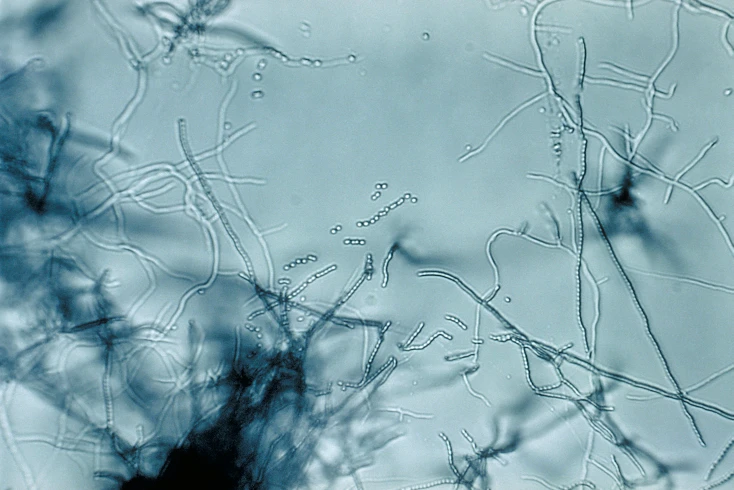
The reality check remains substantial. A promising molecule is not yet a medicine. Each candidate still has to survive medicinal chemistry, toxicity testing, animal studies and years of clinical trials before it can reach patients. But the new Streptomyces finding adds a clear lesson to the antibiotic hunt: nature may have been using combination therapy all along, and that strategy could become more important as standard drugs keep losing ground.
Sources
- [1]nature.com
- [2]today.uic.edu
- [3]cdc.gov
- [4]who.int