World
Fragile cease-fire with Iran frays as key disputes remain unresolved
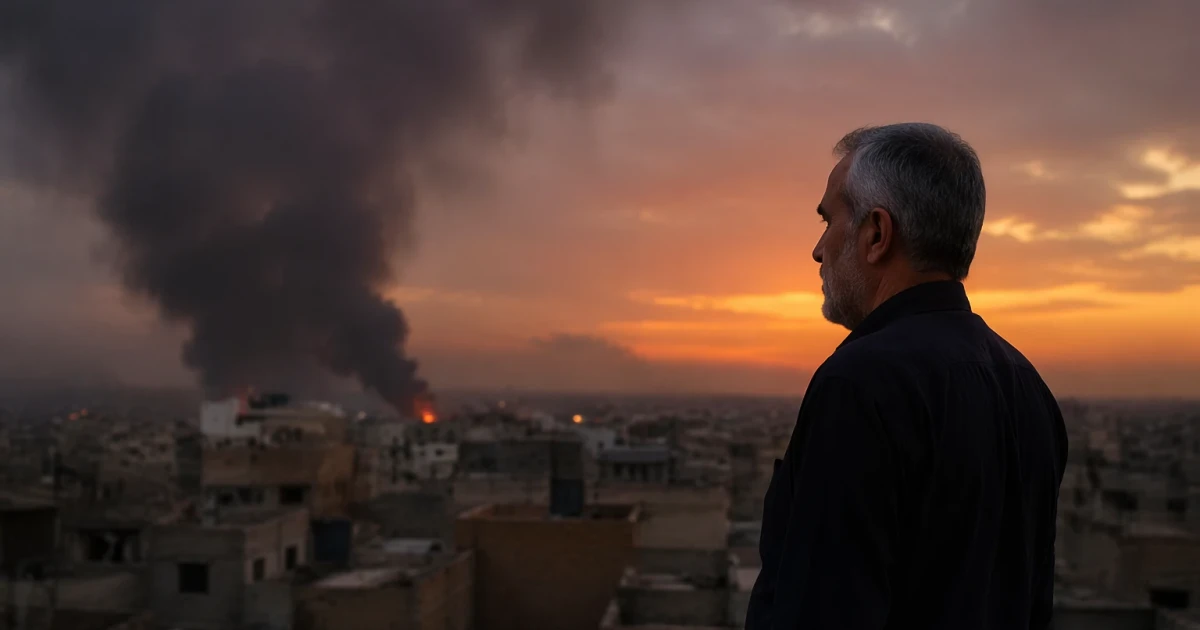
Donald Trump said the cease-fire with Iran was "over" after renewed strikes on July 8, putting a hastily assembled accord back under pressure and narrowing his options. The arrangement had bought time, not a settlement, and its central pieces now look fragile: the Strait of Hormuz was supposed to reopen, talks were supposed to begin, and the hardest disputes were deferred.
U.S. and Iranian officials agreed in mid-June on a framework to end the war, halt the U.S. blockade of Iran and reopen the Strait of Hormuz. A June 17 memorandum of understanding set an initial 60-day period for talks on freedom of navigation in the strait, Iran's nuclear and ballistic missile programs, and sanctions. Those same issues are now the fault lines of the breakdown, because none of them was resolved before the shooting resumed.
Trump has repeatedly said any final peace deal must prevent Iran from developing a nuclear weapon. Iran has pressed for sanctions relief, the release of frozen assets and recognition of its control of the Strait of Hormuz. That leaves very little overlap between the two sides. It also means the cease-fire rested on a temporary political bargain rather than a detailed security settlement, while the last major U.S.-Iran nuclear accord, the 2015 deal, remains a reminder that Trump already abandoned one framework in 2018.
The economic stakes are immediate. The Strait of Hormuz is a critical chokepoint for global energy shipments, and any threat to its reopening moves oil markets fast. Each weakening of the truce has sent another warning through traders, because a breakdown there would not stay local. It would pressure shipping, amplify regional tensions and force Trump to choose between another round of coercive pressure, a renewed push for talks or the risk of a wider military confrontation.
Sources
- [1]nytimes.com
- [2]usnews.com
- [3]commonslibrary.parliament.uk
- [4]aljazeera.com
- [5]cfr.org
- [6]cbsnews.com
- [7]apnews.com