Technology
Framework CEO Criticizes PC Industry’s Shift on Ownership
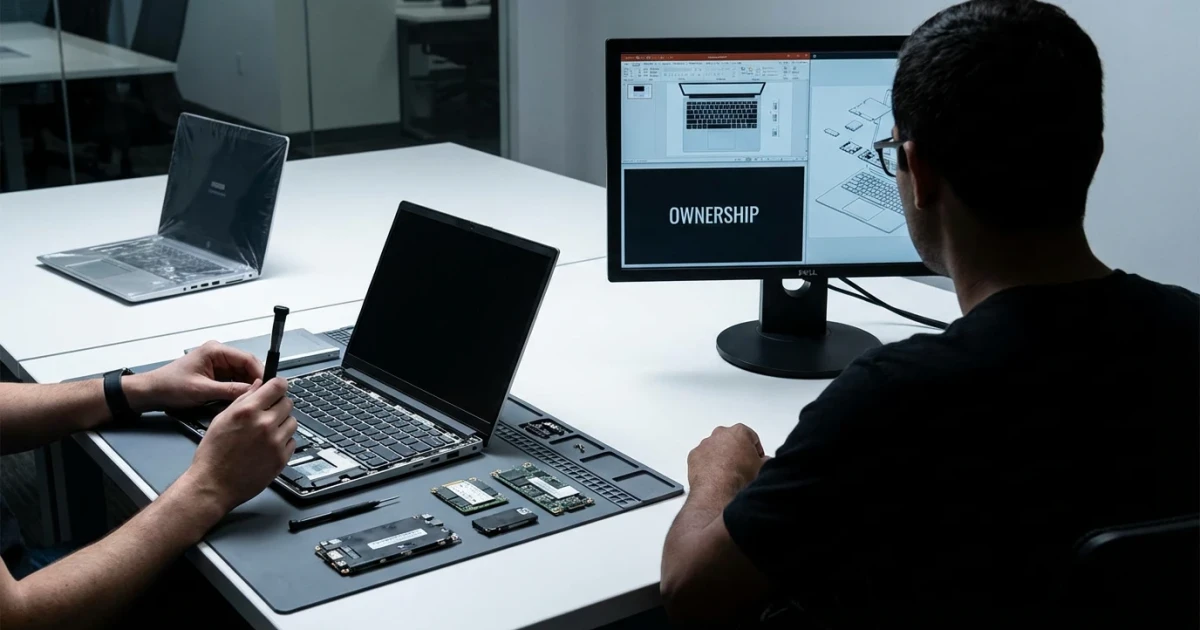
Framework CEO Nirav Patel has issued a stark warning about the state of the PC industry, criticizing major manufacturers for moving away from traditional user ownership models. Patel’s remarks, reported by Gizmodo, characterize the current trajectory as one where consumers are being asked to “own nothing and be happy”—a sentiment reflecting growing concerns around device repairability, upgradability, and long-term user control.
Industry at a Crossroads
According to Patel, the PC industry is in “dire straits”, with major vendors increasingly locking down their hardware and software ecosystems. This shift, he argues, undermines the core principles that have historically defined personal computing—customization, repair, and a sense of true ownership. Patel goes so far as to say that “personal computing as we know it is dead,” drawing a sharp line between legacy practices and current trends.
Lockdown and Subscription Models
The CEO’s comments arrive as more PC makers experiment with subscription-based models and proprietary components that restrict upgrades and repairs. This approach, critics say, limits consumer choice and increases electronic waste, as devices become difficult or impossible to extend beyond their initial purpose. Patel’s critique echoes broader concerns highlighted by organizations like iFixit, which tracks right-to-repair legislation and industry practices worldwide.
- Many leading laptop models now score poorly on repairability indexes, with glued-in batteries and soldered memory becoming standard.
- The European Parliament has published analysis showing that device lifespans are shrinking in the EU, in part due to limited repair options.
- Data from Gartner shows only modest growth in global PC shipments, suggesting that consumers may be holding onto aging machines as upgrade paths narrow.
Framework’s Mission and Industry Response
Framework, founded by Patel, has defined itself as a counterpoint to industry giants by selling modular, repairable laptops. The company’s mission is to “keep building” computers that users can take apart, upgrade, and repair, in direct opposition to what Patel describes as the industry’s new direction. The official Framework blog regularly details the company’s approach and its advocacy for consumer rights in personal computing.
While some industry leaders argue that sealed designs allow for thinner, lighter, and more reliable devices, critics like Patel warn that the trade-off undermines the essence of personal computing. The debate has intensified as governments in the US, EU, and elsewhere consider right-to-repair laws that would require manufacturers to provide parts, tools, and information to consumers and independent repair shops.
What’s at Stake for Consumers?
For everyday users, the outcome of this debate will shape how—and whether—they can maintain and extend the life of their devices. If the industry continues to restrict access, consumers may face higher costs, more frequent replacements, and less control over their personal technology. Advocates for repairability argue this not only hurts wallets, but also the environment, as electronic waste continues to climb worldwide.
Patel’s outspoken criticism highlights a growing divide within the industry over the future of device ownership. As manufacturers and policymakers respond, the question remains: will personal computing remain truly personal, or will users be pushed toward a world of closed systems and perpetual subscriptions?
For now, the answer is still unfolding, with Framework positioning itself as a champion for those who believe in the right to repair and own their technology—challenging giants to rethink what it means to be a PC owner in 2026 and beyond.