Sports
France and Morocco meet in World Cup clash shaped by colonial history
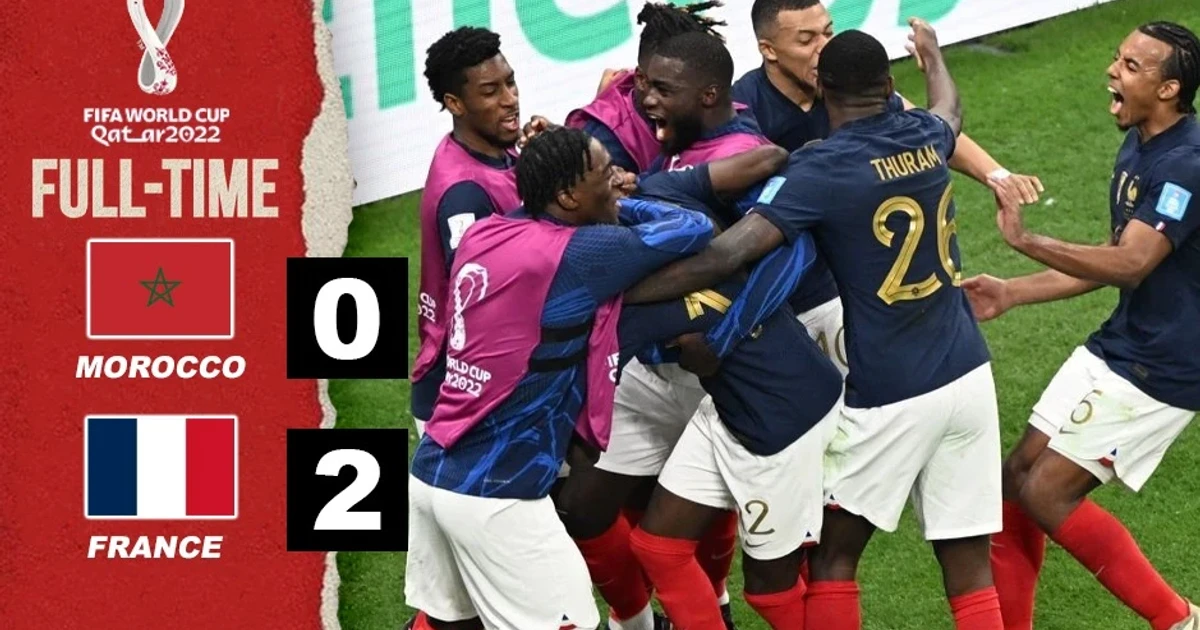
France and Morocco meet on a pitch where colonial memory, migration, and modern football development overlap. Morocco was made a French protectorate by the Treaty of Fès on March 30, 1912, regained independence in 1956, and the relationship still runs through players, academies, and family ties. In Qatar, that history became visible in a squad built across borders and in a semifinal that carried the weight of two footballing systems long intertwined.
A rivalry shaped long before kickoff
The sporting relationship cannot be separated from the political one. France’s drive to control Morocco was central to the Moroccan crises of 1905-06 and 1911, the diplomatic confrontations that helped clear the way for the protectorate imposed in 1912. That background matters because football did not emerge in a vacuum: the game arrived and spread through institutions, schools, and migration patterns forged under unequal power.
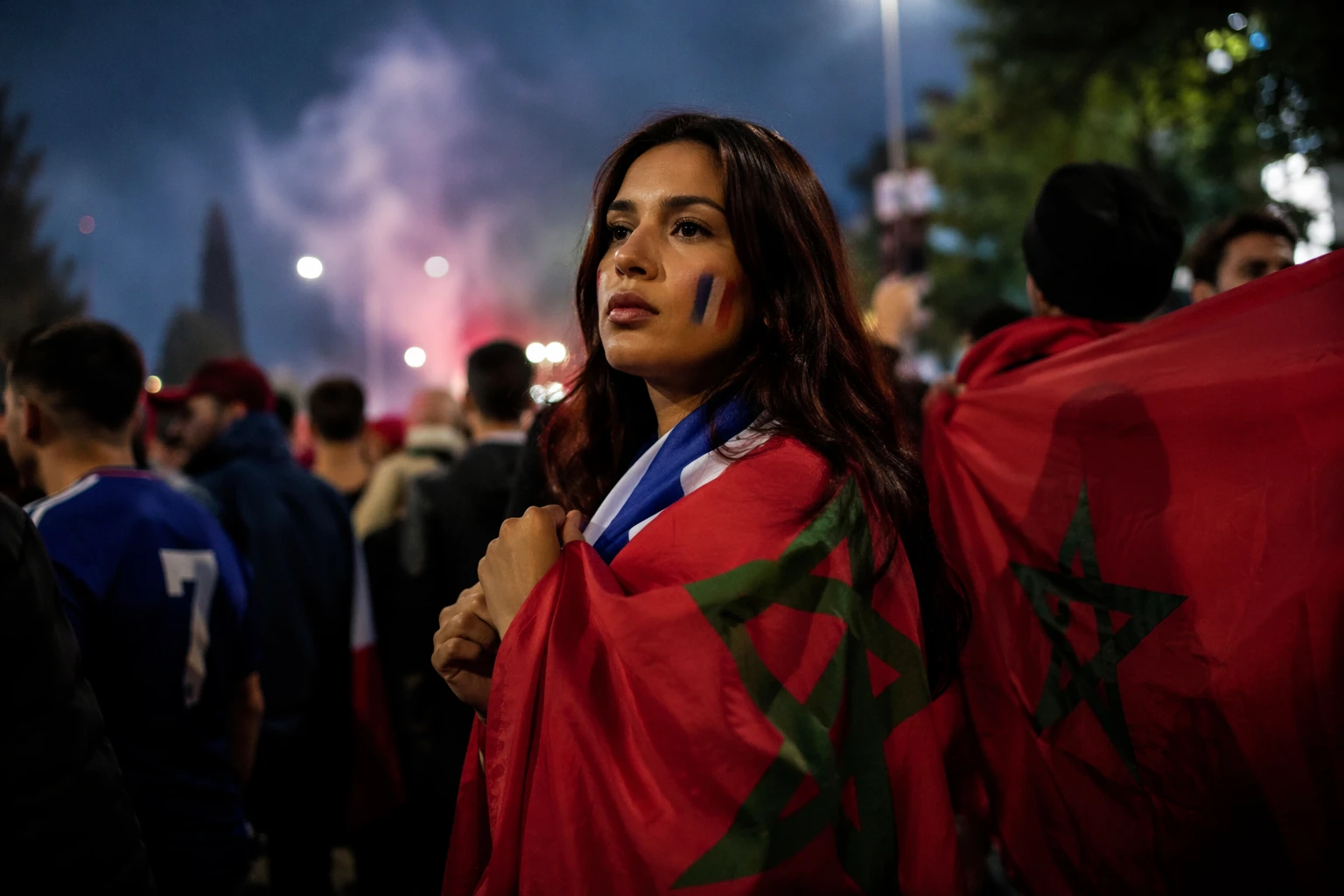
Morocco’s independence in 1956 did not erase those links. Instead, it left behind a modern relationship defined by movement in both directions, with families, training pathways, and national identities crossing the Mediterranean. When France and Morocco face each other, the match reflects not just rivalry but a shared history that has continued to shape who plays, where they learn the game, and how they are received.
A squad built across borders
Morocco’s 2022 World Cup team made that overlap impossible to ignore. Reuters reported that 14 of the 26 players in the squad were born outside Morocco, the highest foreign-born total of any team at the tournament in Qatar. Many of those players were developed in Europe, a reminder that Morocco’s rise has been tied to a transnational football pipeline rather than a single domestic route.
That reality gives the team a dual character. It draws talent from across the diaspora while remaining unmistakably Moroccan in how it is received at home and across the Arab and African worlds. The squad’s composition also shows how modern national teams can be products of migration, family ties, and football systems that extend far beyond national borders.
What that means on the field
France’s own football identity has long been shaped by migration and overseas ties, which makes this matchup especially layered. Players, coaches, and supporters in both countries understand that national teams now represent communities spread across several countries at once, not only the borders drawn on a map. In that sense, the game is as much about institutional pathways as it is about national flags.
Morocco’s development has benefited from players trained in European academies, but that has not reduced the meaning of the team’s success in North Africa or the wider diaspora. Instead, it has widened the base of its support and sharpened the symbolism of every victory. The result is a team that carries both local pride and cross-border identity into every major tournament.
Mbappé and Hakimi show the personal side of the tie
The relationship between France and Morocco is also lived through individual friendships. Kylian Mbappé and Achraf Hakimi are close friends from their time together at Paris Saint-Germain, a connection that made the matchup feel personal as well as political. Their bond is one of the clearest reminders that elite football now develops relationships across club systems that often blur national lines.
That closeness became visible after France ended Morocco’s run in the 2022 semifinal. The two swapped shirts, shared hugs, and showed mutual respect after the final whistle, a brief but telling scene in a match defined by larger historical meaning. The moment captured the contrast at the heart of the rivalry: fierce competition on the field, but deep professional and personal ties off it.
Paris as a shared football classroom
Paris Saint-Germain sits inside this story as more than a club. It has functioned as a meeting point for players whose careers, identities, and friendships bridge France and Morocco. Mbappé and Hakimi are the best-known example, but their connection illustrates a broader pattern in modern football, where domestic leagues and major clubs serve as the shared development ground for national teams that later stand opposite one another.
That overlap makes the match unusually dense with meaning. A France-Morocco clash can pit teammates against one another, separate friends for 90 minutes, and then bring them back together in a club dressing room weeks later. Few international fixtures are so clearly shaped by the same institutions on both sides.
Morocco’s Qatar run changed the frame
Morocco’s tournament in Qatar gave this history a new edge. The team beat Spain on penalties in the round of 16, then defeated Portugal 1-0 to become the first African and Arab nation to reach a World Cup semifinal. That achievement moved the team beyond a strong run and into football history.
Walid Regragui became the first African coach to take a team into the World Cup semifinals. His place in that history matters because it was not only the players who broke through but also the coaching leadership guiding them through the tournament. The run created a new benchmark for African and Arab football and gave the France-Morocco meeting a significance that extended far beyond the bracket.
Why Regragui’s milestone mattered
Regragui’s achievement showed that Morocco’s success was not a fluke of one inspired match. It reflected an organized team capable of absorbing pressure, surviving penalties, and beating established opponents with discipline. By making the semifinals, he reset expectations for what African coaching and African national teams can achieve on the global stage.
That milestone also deepened the emotional stakes of the France clash. Morocco were not simply an underdog story or a sentimental favorite. They were a team that had already rewritten tournament history and had done so with a coach who became a first in his own right.
The colonial past still shadows the present
The deeper significance of France versus Morocco lies in how unfinished imperial history continues to appear in contemporary sport. The protectorate imposed in 1912, the independence won in 1956, and the migration routes that followed all help explain why this is not an ordinary international fixture. Football provides the stage, but the cast has been shaped by a century of political and social connection.
That does not reduce the match to history alone. It means the modern game in both countries is still being influenced by earlier patterns of power, movement, and identity, from the colonial era to the Parisian club system to the diaspora-born squad in Qatar. When France and Morocco meet, the scoreboard tells one story; the squads, the friendships, and the history behind them tell another that has not yet finished.
Sources
- [1]nytimes.com
- [2]britannica.com
- [3]gulfnews.com
- [4]aljazeera.com
- [5]france24.com