Sports
France and Senegal renew rivalry shaped by colonial ties and diaspora
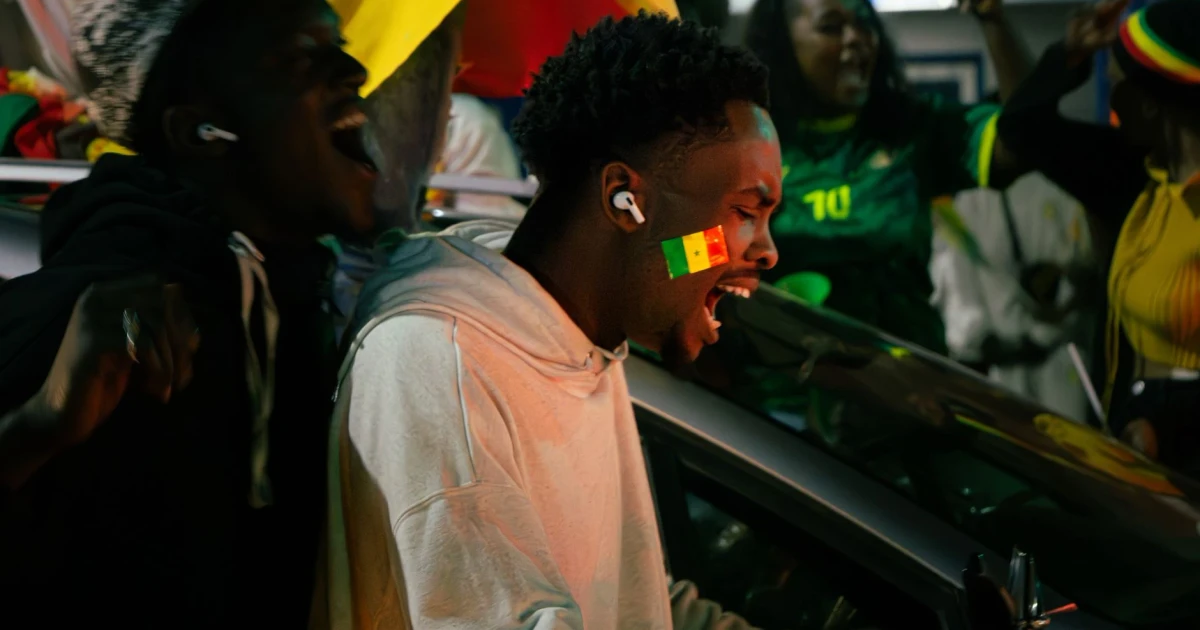
France and Senegal met again on the World Cup stage with far more at stake than points. Their rivalry still carries the weight of colonial history, but it also reflects a modern football map in which African talent is developed, exported and reclaimed across borders, with France and Senegal now linked by migration, dual identity and competing claims over success.
The match revived one of Senegal’s defining moments, the 1-0 upset of defending world champions France in the opening game of the 2002 FIFA World Cup in Seoul on 31 May 2002. Papa Bouba Diop scored in the 30th minute, sending Senegal on a run that reached the quarterfinals, still its best finish at the tournament. FIFA has repeatedly described that result as one of the great shocks in World Cup history, and El-Hadji Diouf later called it Senegal’s greatest World Cup win.
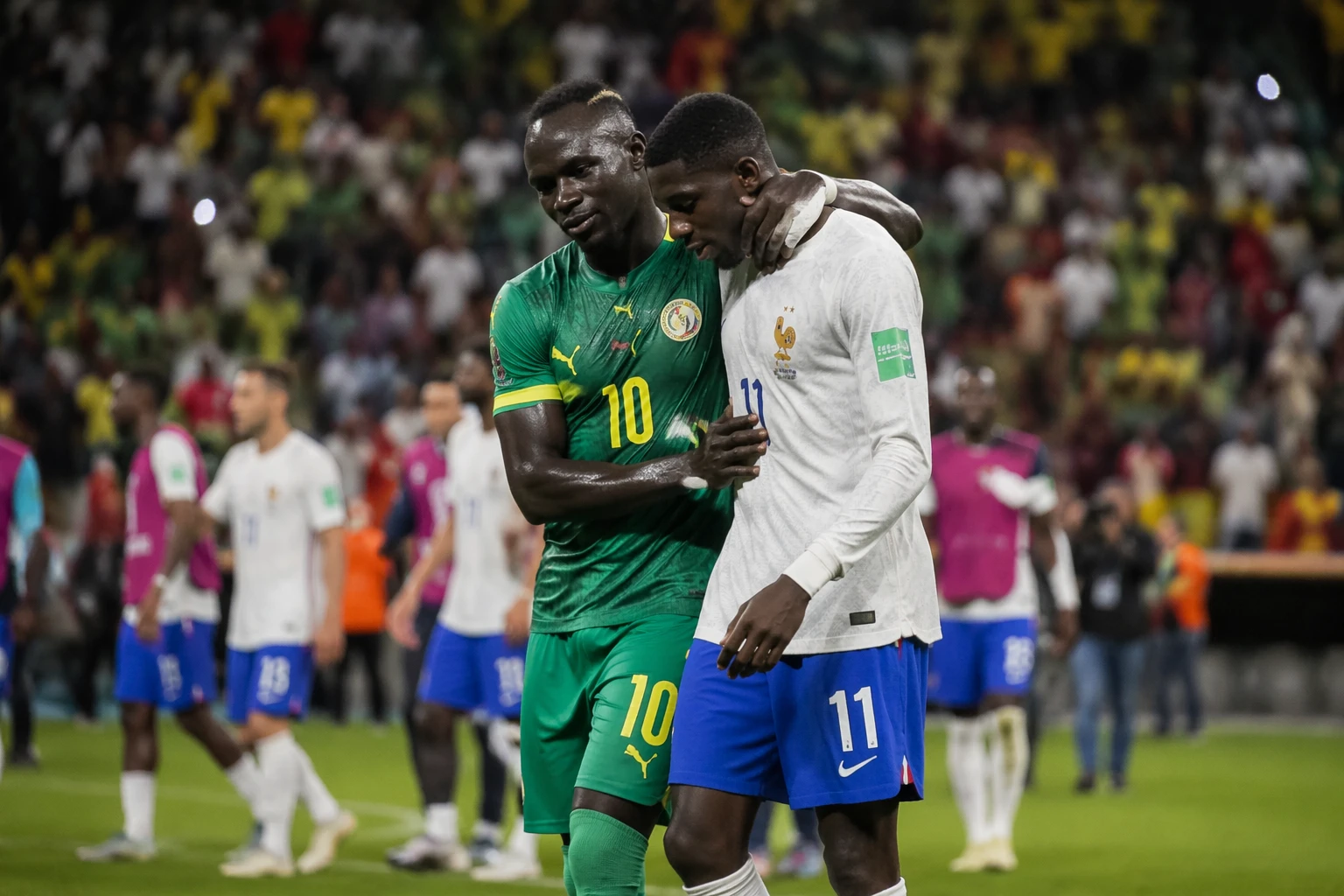
Two decades later, the football relationship between the countries was visible in the squads themselves. FIFA paired France and Senegal again in Group I at the 2026 World Cup. Didier Deschamps named France’s 26-man squad on 14 May 2026, while Senegal announced a provisional 28-man squad on 20 May 2026. France’s captain was Kylian Mbappé, the face of a team long associated with elite integration and a national identity built from multiple roots.
Senegal’s selection carried a different but equally revealing story. Multiple reports around the 2026 squad said roughly 10 of its players were born in France or developed in French academies, a reminder that French training structures continue to shape talent for other national teams. On the French side, coverage said 21 of the 26 call-ups had roots outside mainland France, underlining how deeply the national side reflects France’s own historic diversity.
That overlap has turned the matchup into a broader argument about who gets to claim African football achievement. Senegal’s core still centered on veterans such as Sadio Mané, Kalidou Koulibaly and Édouard Mendy, while FIFA’s 2026 coverage highlighted Mané’s return to the world stage after he missed Qatar 2022 through injury. The result was a meeting that spoke to more than rivalry: it showed how post-colonial ties continue to shape the flow of players, the meaning of national teams and the politics of belonging on football’s biggest stage.
Sources
- [1]nytimes.com
- [2]fifa.com
- [3]inside.fifa.com
- [4]onefootball.com