World
France asks postal workers to check on older people during heatwaves
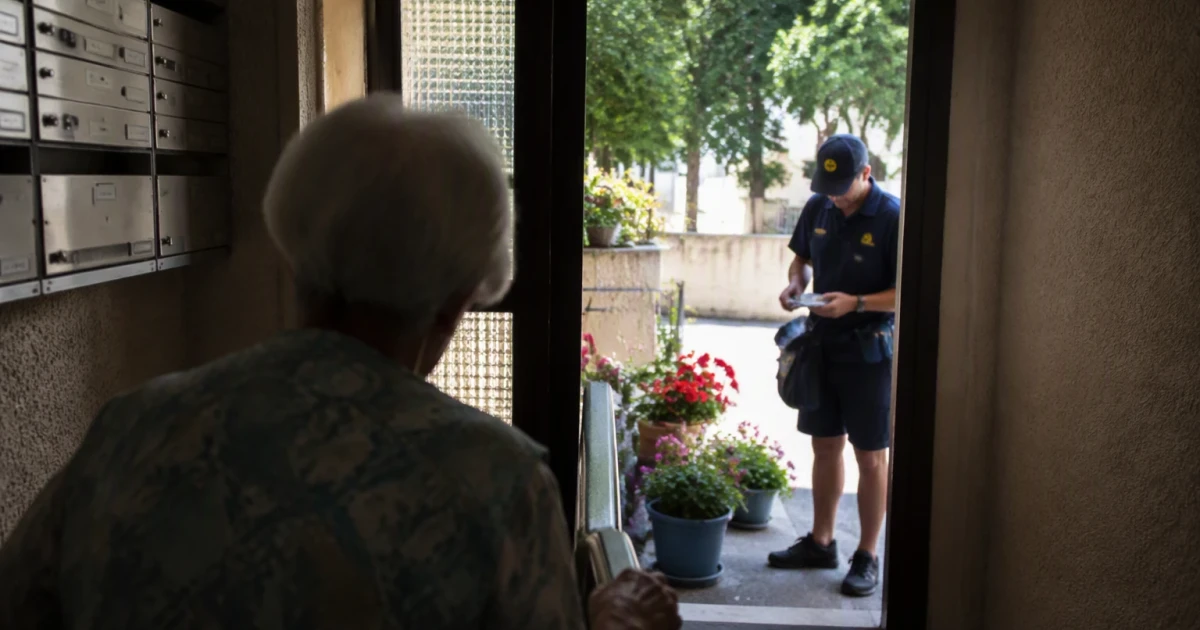
France is leaning on postal workers to check on older people during heatwaves, turning a familiar public service into a layer of protection against heat-related deaths. La Poste’s Veiller Sur Mes Parents, launched in 2017, sends postmen on agreed social visits one to six times a week, with information passed back to families after each stop.
The urgency is rooted in France’s heat history. The August 2003 heat wave killed an estimated 15,000 people, most of them elderly, and became a national reckoning over how poorly social care and emergency planning had protected vulnerable people. In June 2026, another severe heat wave left health officials counting around 1,000 more deaths than expected, and politicians accused the government of incompetence and inaction.
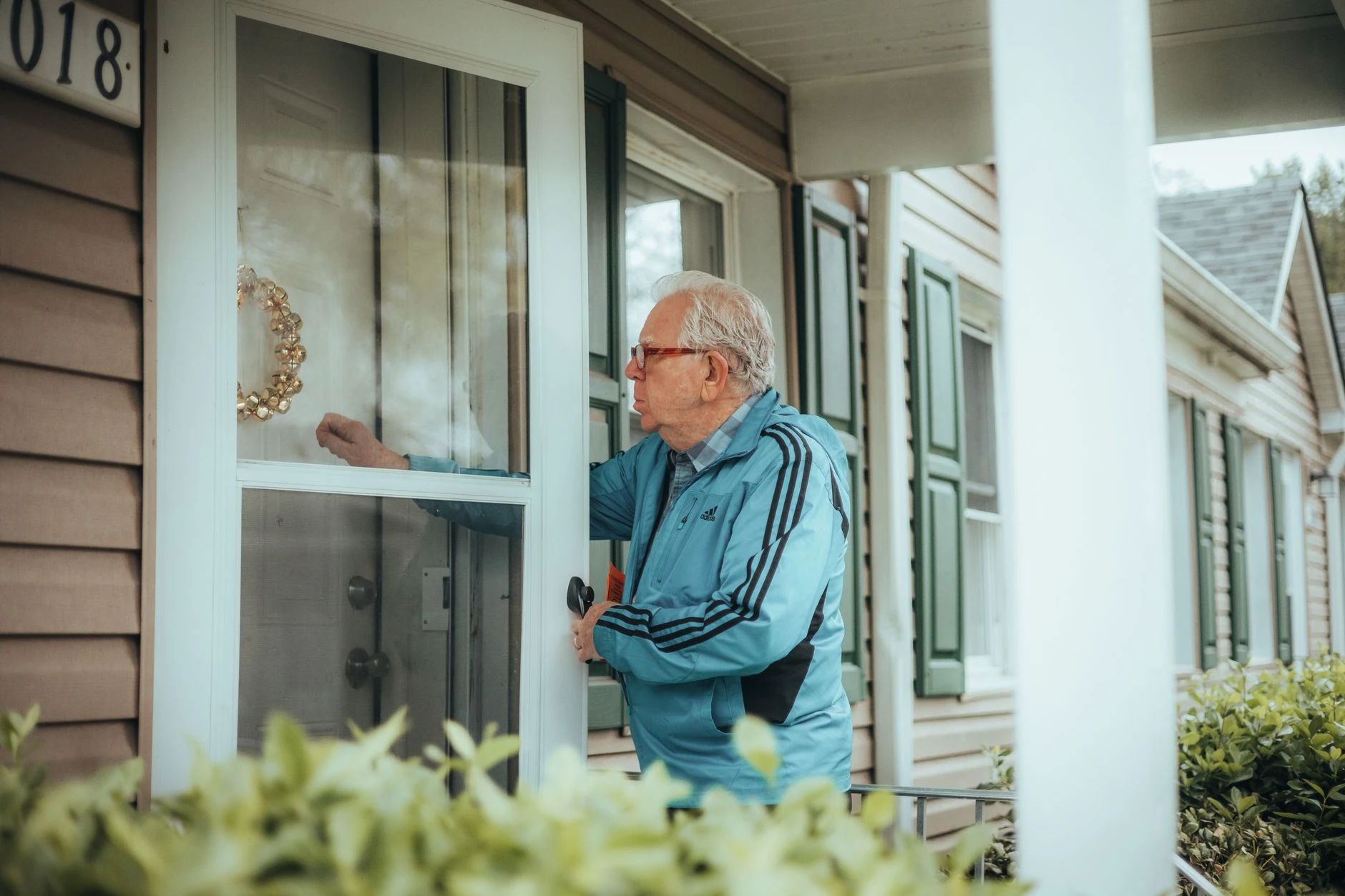
Santé publique France says extreme heat and heat waves have a significant impact on mortality and require stronger prevention and adaptation. That gives the postal-check model a clear policy logic: it uses workers already moving door to door to spot problems at home before they become emergencies, rather than waiting for hospitals or hotlines to absorb the strain.
The service also shows how climate adaptation can overlap with elder care. In Revin, Monique Jaspart paid less than forty euros a month for weekly home visits from her carrier, Aurore Raguet, a small recurring cost for a personal check-in that can also reassure relatives. La Poste’s format is simple, with families and beneficiaries agreeing in advance on the day and frequency of visits, which makes the program easier to slot into daily postal routes than a stand-alone crisis response.

That simplicity is why the French model has drawn attention as heatwaves become more routine across aging societies. Countries with broad postal networks could adapt the idea without building an entirely new workforce, provided they can link visits to family notification and target the people most at risk. France is showing that one of the oldest state networks on the street can still serve one of the newest public-health challenges.
Sources
- [1]nytimes.com
- [2]lapostegroupe.com
- [3]newyorker.com
- [4]theguardian.com
- [5]weforum.org
- [6]santepubliquefrance.fr
- [7]rfi.fr
- [8]youngfoundation.org