World
France braces for intense heatwave as red alerts cover half the country

France entered the week under a heat emergency that had become a test of public systems as much as weather. Red alerts covered 49 of the country’s 96 mainland departments, including Paris, after the highest warning level widened from 35 departments over the weekend. Météo-France said the heatwave would be widespread, prolonged and intense, with temperatures expected to top 40C in some regions and some areas already breaking 40 degrees in June.
The heat immediately pushed schools, transport and public services into emergency mode. The French Ministry of Education said 845 primary and secondary schools were closed on Monday, while another 1,800 were changing timetables or sending pupils home early. The disruptions spread beyond classrooms, with SNCF services affected and some public events curtailed or cancelled as cities tried to limit exposure during the hottest hours.
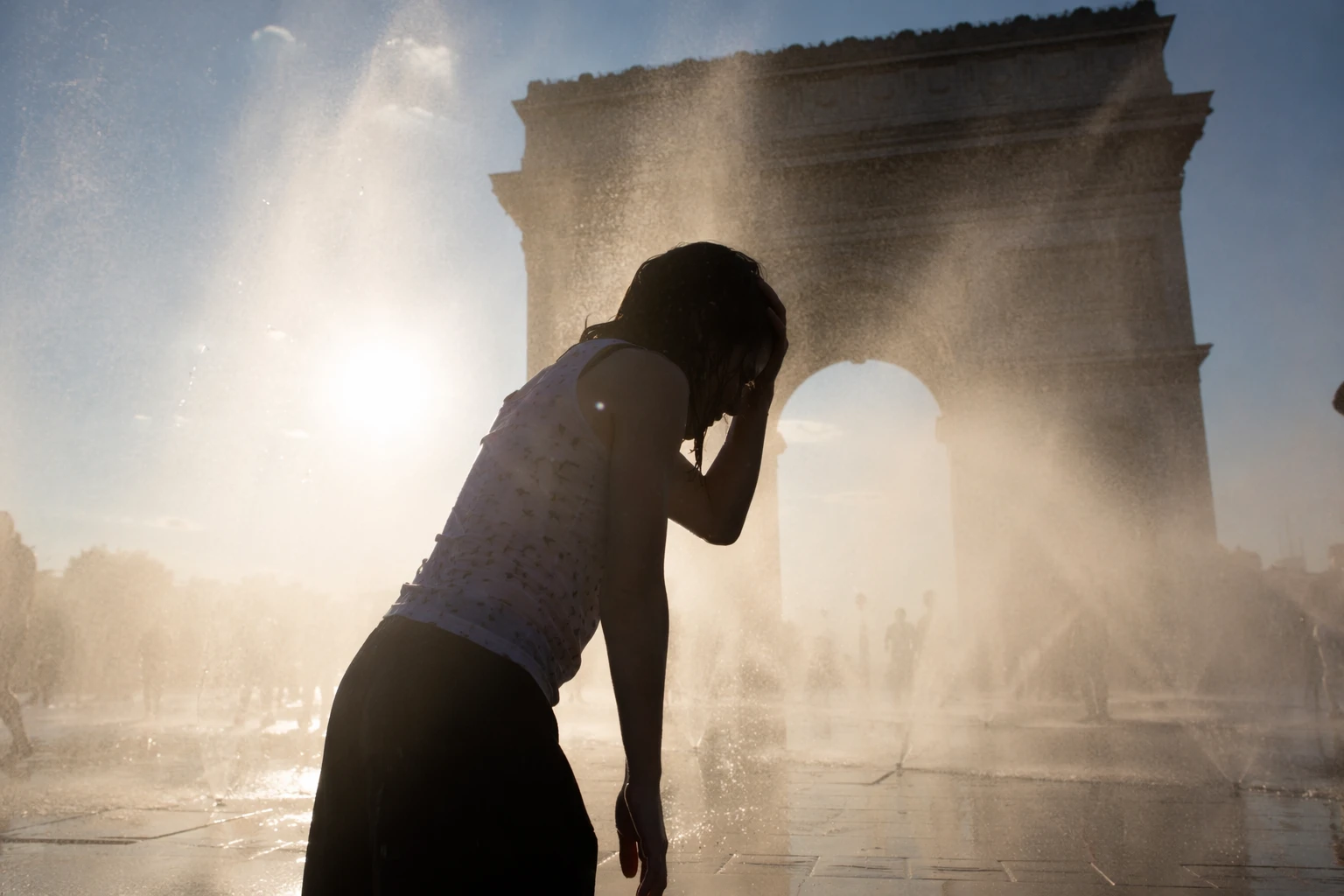
The strain was already being counted in human lives. Local officials in Gironde said three people aged between 80 and 95 had died in part because of the intense heat, and a 30-year-old man died on an athletics track outside Paris earlier in the week. Health Minister Stéphanie Rist warned that many citizens “will suffer” and urged young people to be especially careful with alcohol and physical activity. President Emmanuel Macron called for “great vigilance” and pressed people to look after the oldest and most vulnerable.

Authorities also moved to control how the heat collided with public celebration. During Fête de la Musique, they banned alcohol consumption in public places in red-alert departments, a sign of how climate risk was reshaping even summer festivals into matters of public order and health. Some towns shortened events outright, reflecting the growing reality that extreme heat can no longer be treated as a brief inconvenience.
The wider system pressure reached beyond schools and street festivals. Transport networks were disrupted, and EDF saw some nuclear power production affected as the country balanced demand, safety and infrastructure limits under oppressive temperatures. Climate researchers have said human-driven climate change is making these heatwaves more intense, and France’s response now reads as a national stress test: who gets protection, who absorbs the risk, and whether the state can adapt fast enough to a climate that is no longer exceptional.
Sources
- [1]bbc.com
- [2]france24.com