Health
France braces for intense heatwave as red alerts spread across country

France entered the summer solstice under a severe test of its public systems, as red heat alerts spread across roughly a third of the country and officials moved beyond warnings into restrictions on daily life. Emergency services and military forces were placed on wildfire alert, some outdoor sports events were canceled, and organizers of France’s annual Music Day celebrations were told to curb alcohol consumption so medics could stay focused on the most vulnerable.
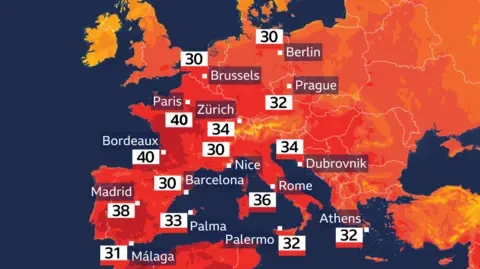
Météo-France said the country was in the grip of a broad, durable and intense heat episode, with temperatures often expected to reach 38 to 41 C and locally a bit higher through the following week. Some areas were expected to hit 40 C, or 104 F, on Sunday, with even hotter conditions forecast for Monday. The national heat warning system, known as vigilance canicule, has been in place since 2004, and its criteria factor in local vulnerability, past heat events, observed impacts and acclimatization levels.
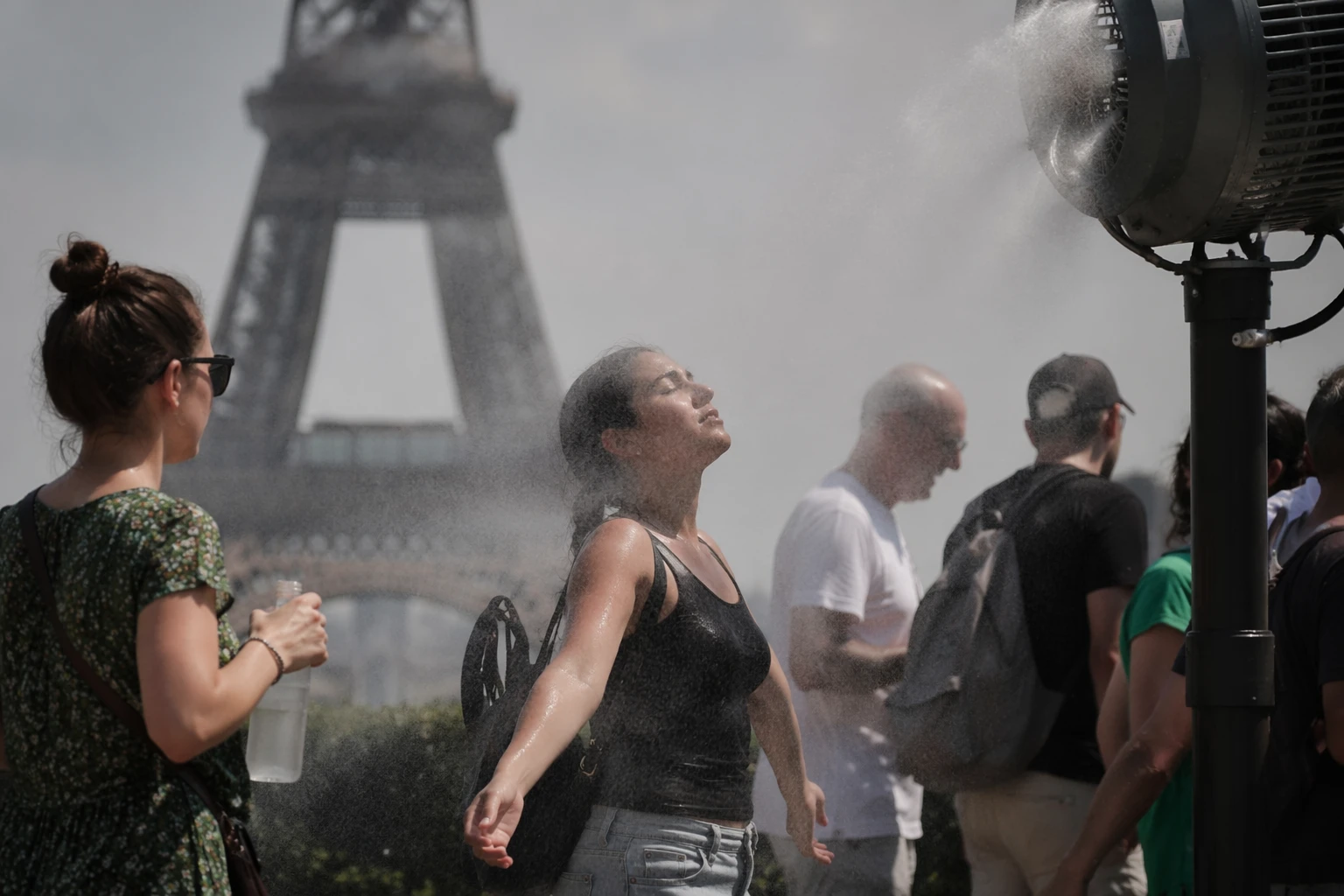
The response also reflected how hard heat hits a country that still lacks widespread air-conditioning. Older people, children, outdoor workers and residents in dense urban areas faced the greatest risk, particularly those isolated enough that dehydration or heat stroke might not be recognized until symptoms became serious. In Paris, the Eiffel Tower set up misting stations to help cool crowds, a small sign of how major landmarks were being enlisted in the public-health response as cities prepared for one of the hottest stretches of the year.
The restrictions reached one of France’s biggest public celebrations. For Fête de la Musique, officials limited alcohol consumption in departments under red heatwave alert starting at noon on Sunday, a move meant to keep pressure off emergency crews as thousands of concerts and street events filled cities, villages, clubs and squares. The logic was clear: in extreme heat, crowd management, first aid and wildfire readiness become part of the same governance problem.
France’s measures fit a broader European pattern. Germany issued nationwide warnings and Spain shut a soccer fan zone as the heat spread across the continent. The World Health Organization’s Europe office said the European Region has been warming twice as fast as the rest of the world, annual heat-related mortality rose by 52 deaths per million inhabitants in the last decade compared with the 1990s, and heat-related deaths in Europe in 2024 were estimated at nearly 63,000. The agency said more than 200,000 people across Europe have died from heat over the last four years, most of them preventable, and said heat-health action plans, including cooling centers, more breaks and flexible work schedules, are now a core public-health response.
Sources
- [1]abcnews.com
- [2]apnews.com
- [3]meteofrance.com
- [4]who.int
- [5]reuters.com