Business
France cuts 2026 growth forecast as oil shock hits consumers
France’s economic recovery weakened just as higher energy bills began biting into household budgets. The national statistics agency INSEE lowered its 2026 growth forecast to 0.7% on June 17, warning that the oil shock linked to the Iran war will squeeze consumers, slow spending and keep pressure on prices through year-end.
INSEE said the hit from the jump in oil prices would shave 0.2 to 0.3 percentage points off output. The downgrade leaves France tracking only slightly above stagnation after GDP fell 0.1% in the first quarter of 2026, household confidence stood at 82 in May, unemployment held at 8.1% in the first quarter and household consumption of goods slipped 0.5% in April. For families already facing weak wage growth, the forecast points to another year in which energy costs eat into purchasing power and force more caution at the till.

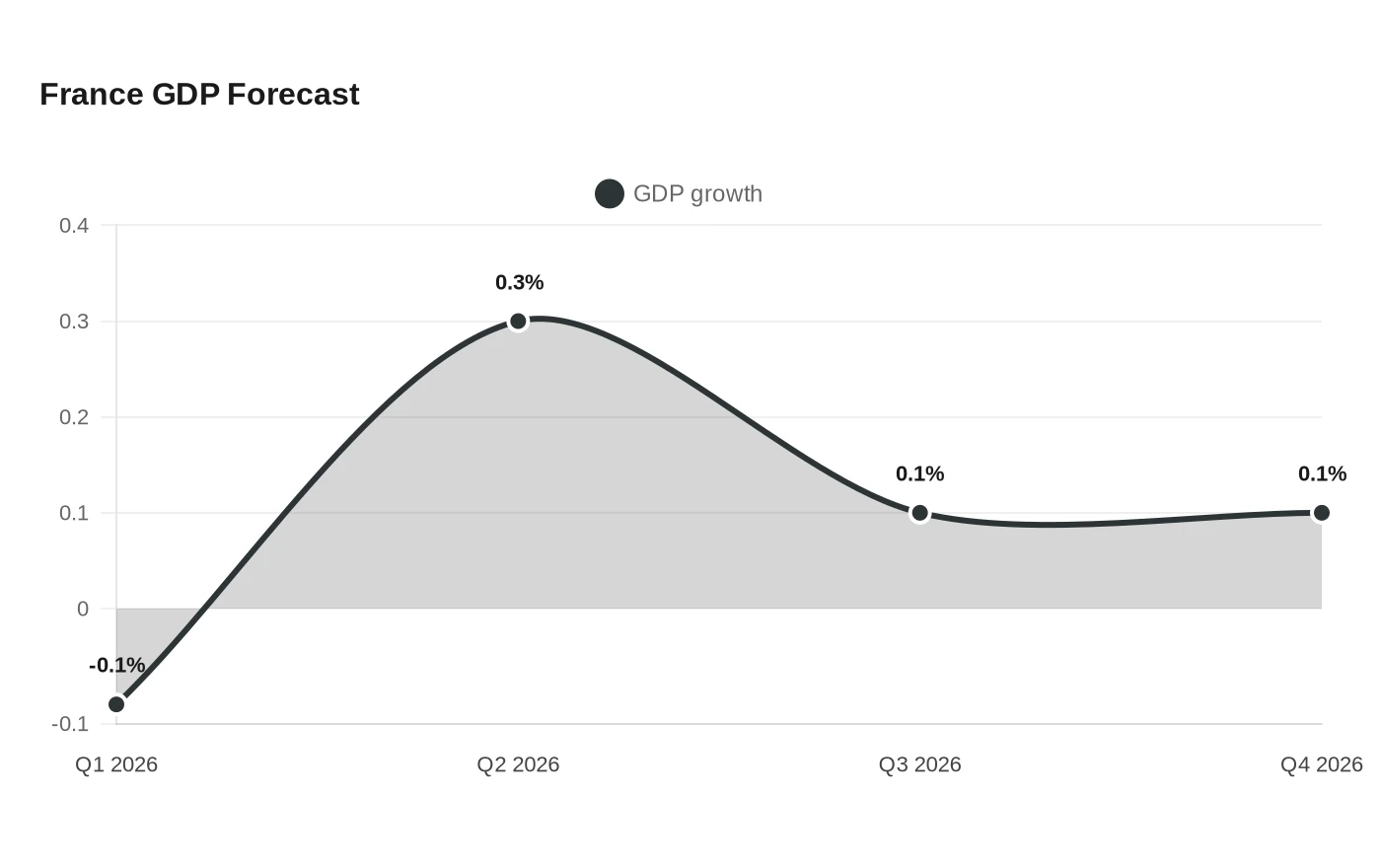
The agency still expects the economy to avoid outright contraction, helped by a modest rebound in activity over the spring. INSEE revised second-quarter growth up to 0.3% from 0.2%, after the first quarter’s decline, but it sees momentum fading to 0.1% in both the third and fourth quarters. That profile suggests France will enter the second half of the year with little margin for error, especially if consumers keep drawing down savings to cover higher bills.

Industrial output offers some offset, though not enough to cancel the drag from domestic demand. French chemical and refining firms are benefiting as Middle East competitors face trade disruptions, while aerospace and shipbuilding are expected to support activity through strong order books and rising exports. The European Commission had already flagged the same split in its May 21 forecast, seeing France grow 0.8% in 2026 while warning that the energy shock was weighing on activity and inflation.
Inflation is moving in the wrong direction as well. INSEE expects EU-harmonised inflation in France to rise from 2.4% in June to 3.0% by December as higher energy costs filter through the economy. Banque de France also released its June macroeconomic projections on June 17, underscoring how quickly the outlook has shifted. The message for Paris and Brussels is clear: even in a diversified advanced economy, an external conflict can still jolt prices, restrain spending and redefine the growth outlook for the rest of the year.