World
France, Germany push Europe to cut AI, tech reliance on US and China
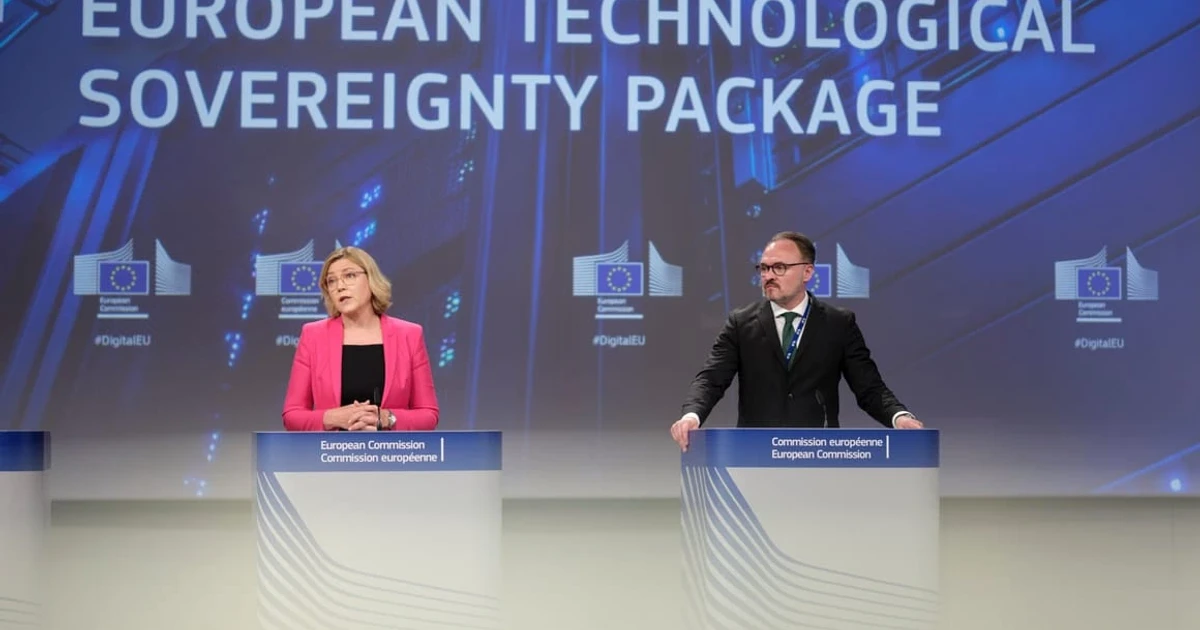
The European Commission proposed a tech sovereignty package on June 3 that puts semiconductors, artificial intelligence, cloud and open source at the center of Europe’s industrial policy. The package would fold in a Chips Act 2.0, a Cloud and AI Development Act, an EU Open Source Strategy and a roadmap for digitalisation and AI in the energy sector.
A Franco-German joint paper dated June 17 said Europe must reduce “critical dependencies” on digital technologies, resources, products and services from third countries. The paper framed that dependence as running through the whole stack, from semiconductors and software to data handling and AI, and argued that sovereignty is not only about competitiveness but also economic security and cyber resilience. The paper also kept the door open to open markets and cooperation with trusted partners.
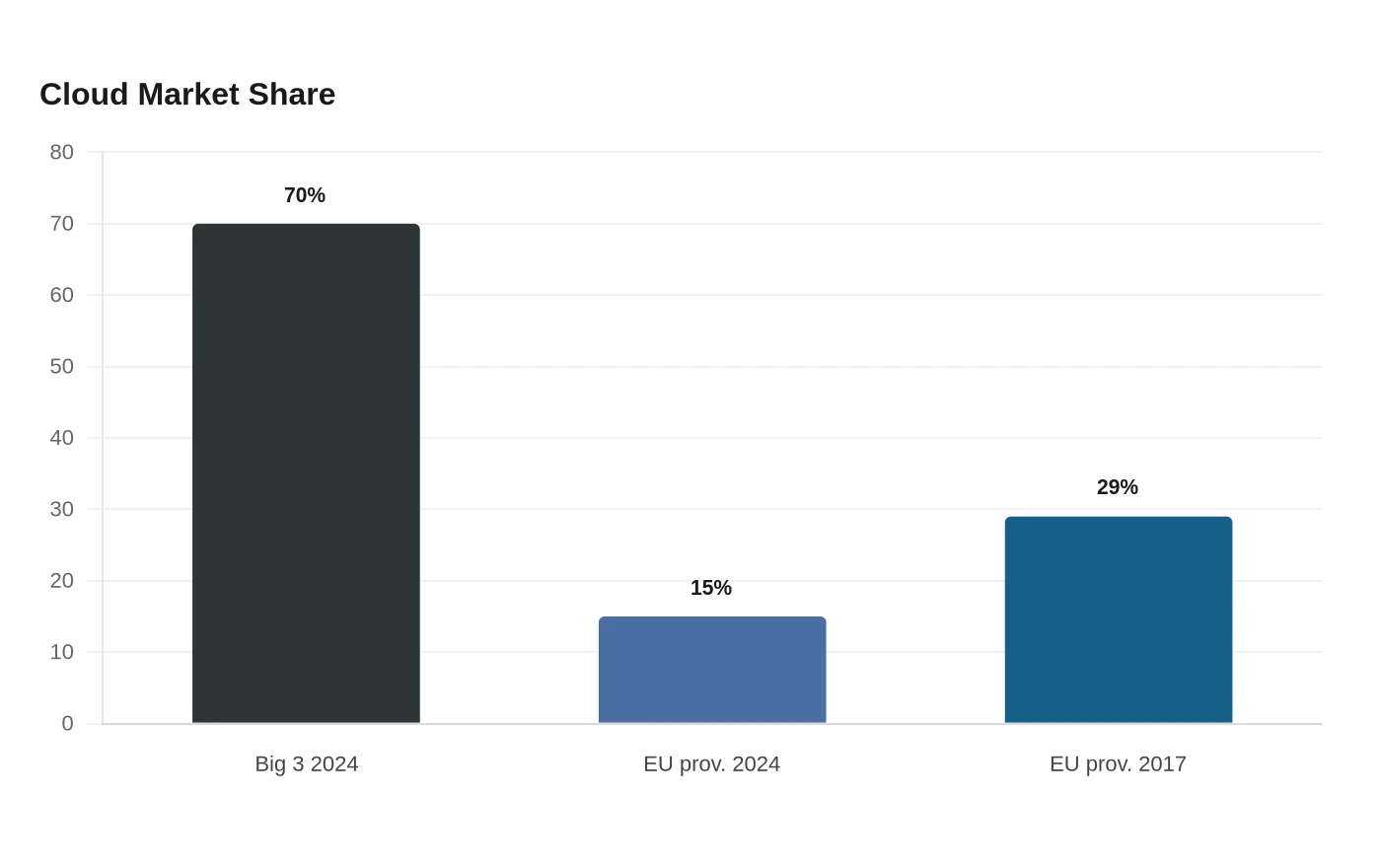
In 2024, Amazon, Microsoft and Google controlled about 70% of the European cloud market, while European cloud providers held around 15%, down from roughly 29% in 2017. An Amazon Web Services outage in Northern Virginia in October 2025 disrupted services across Europe.
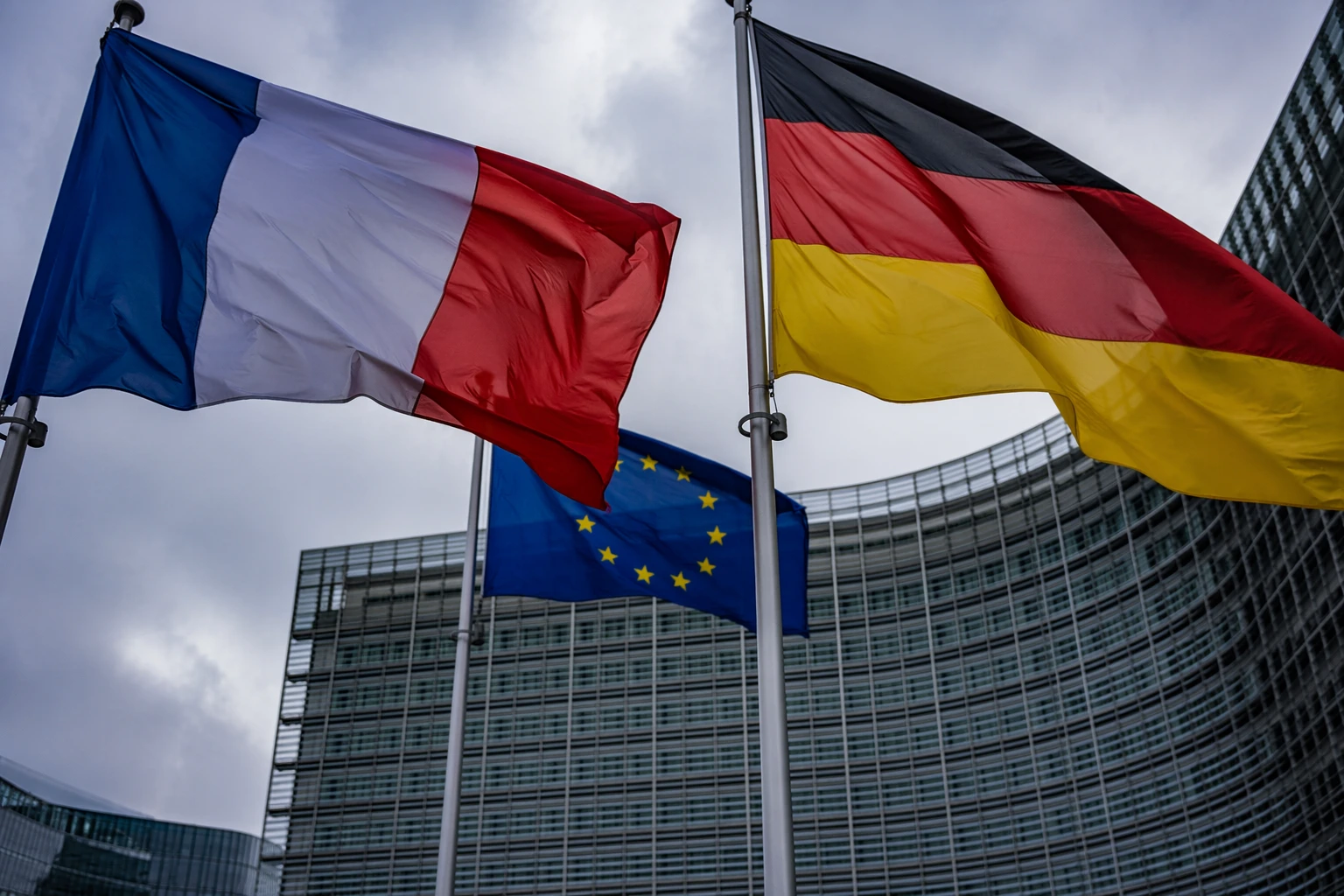
France and Germany are still not fully aligned on how to respond. In October 2025, France’s approach was more state-driven, with a stronger push for local champions and less dependence on U.S. Big Tech, while Germany preferred a more open, market-oriented path that protects Europe without severing ties to major partners. Most French respondents wanted France to compete globally on its own, while most Germans favored deeper regional alliances.
Mario Draghi’s September 2024 competitiveness report tied Europe’s digital challenge to its long-term growth and resilience, feeding into the January 2025 competitiveness compass. The Commission in October 2025 launched a 1 billion euro, or $1.1 billion, Apply AI strategy to push adoption in healthcare, pharmaceuticals, energy, mobility, manufacturing, construction, agri-food, defence, communications and culture, funded through Horizon Europe and the Digital Europe programme, with possible matching money from member states and the private sector. At a Franco-German summit on digital sovereignty in Berlin on November 18, 2025, Emmanuel Macron warned Europe must avoid becoming a tech “vassal” of the U.S. and China, while Friedrich Merz called for a more independent digital future.
Sources
- [1]nytimes.com
- [2]commission.europa.eu
- [3]entreprises.gouv.fr
- [4]money.usnews.com
- [5]politico.eu
- [6]srgresearch.com