World
France heatwave triggers power outages as Europe faces record temperatures

Heat pushed France’s crisis beyond weather on June 24, when a transformer incident in northern France knocked out electricity to thousands of homes and forced authorities to triage power for health centres, critical sites and retirement homes. The outage was accidental and no one was injured.
In northwestern France, power cuts left around 68,000 households without electricity as crews worked to restore service under blistering conditions. Generators were delivered to retirement homes, and healthcare facilities were given priority as temperatures stayed elevated across the country.
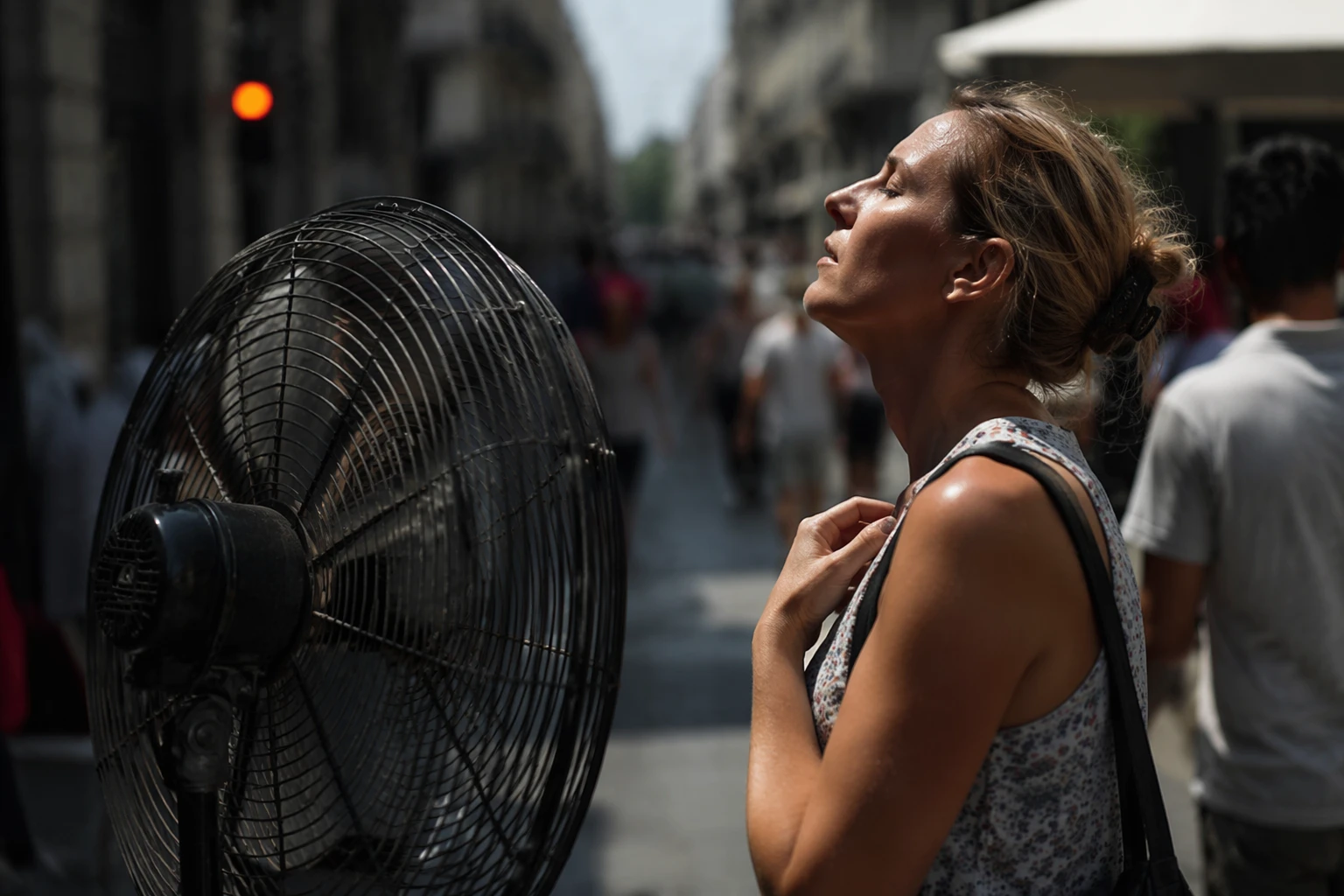
The broader European heat event has already disrupted trains, closed some schools and tourist sites, and pushed temperatures as much as 18 degrees Celsius above normal in parts of the continent. France’s national weather agency recorded June 24 as the country’s hottest day ever, with a national thermal indicator of 29.3°C, and compared the conditions with the August 2003 heatwave that still shapes public-health planning. That disaster killed more than 14,800 people in France and forced a major reevaluation of heat preparedness.
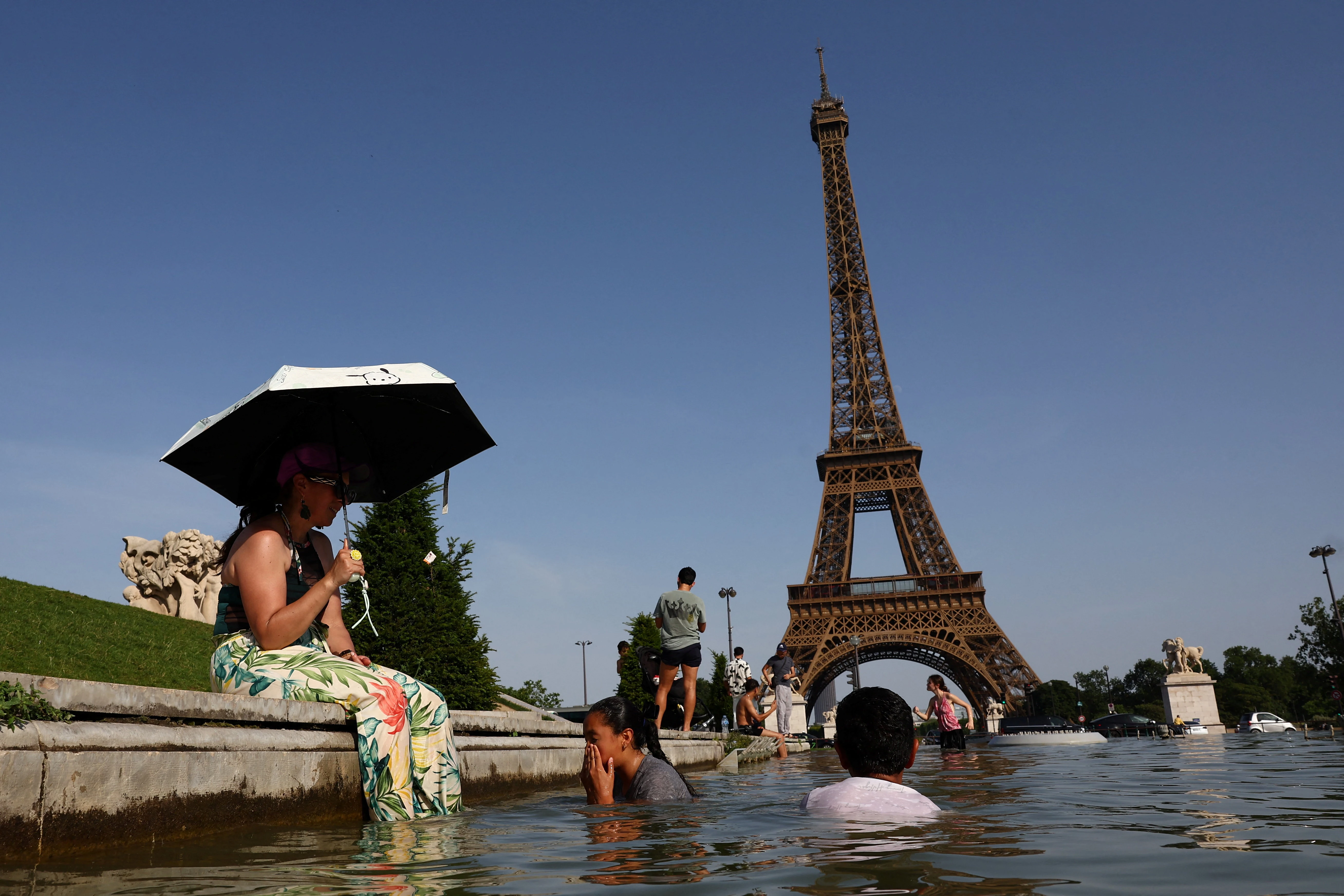
The strain is visible in daily life. Builders have changed work schedules, retailers have struggled to keep fans and portable air conditioners in stock, and farmers have harvested grain at night to avoid the afternoon fire risk. Britain has issued a rare red heat alert, train operators have urged only essential journeys, and the heat can threaten life even for healthy people.
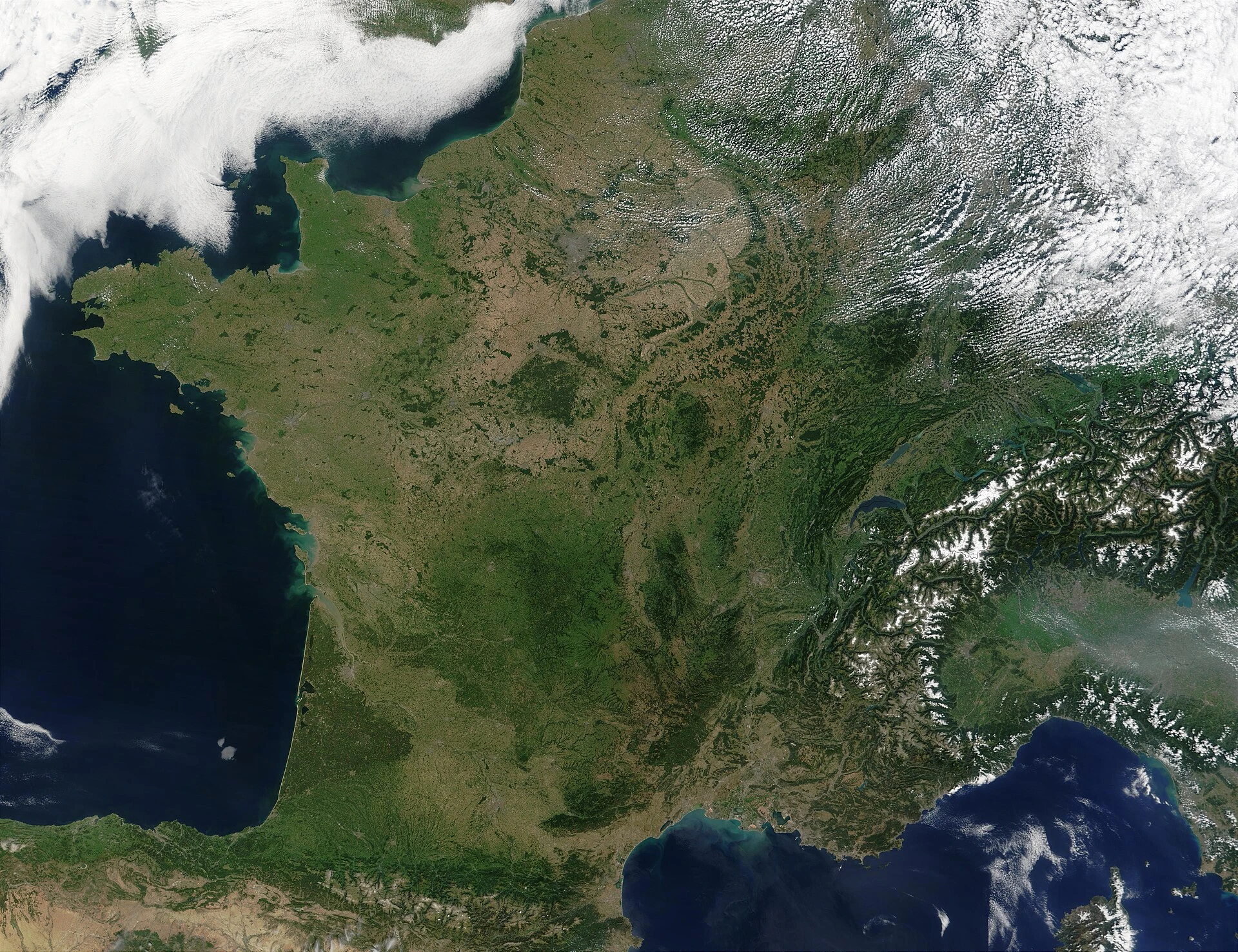
Europe is warming more than twice as fast as the global average, and the Copernicus Climate Change Service puts the continent about 2.5°C above pre-industrial levels. The World Health Organization counts more than 200,000 heat-related deaths in Europe over the past four years, most of them preventable. In France, officials put the heatwave death toll at at least 18 people, two young children died in a hot car in the southeast, and around 40 people drowned after seeking relief in rivers, lakes and the sea.
Sources
- [1]usnews.com
- [2]france24.com
- [3]santepubliquefrance.fr
- [4]archive.ipcc.ch
- [5]climate.copernicus.eu
- [6]who.int
- [7]apnews.com