World
France Moves to Ban Social Media for Under-15s: A Bold Step to Protect Youth
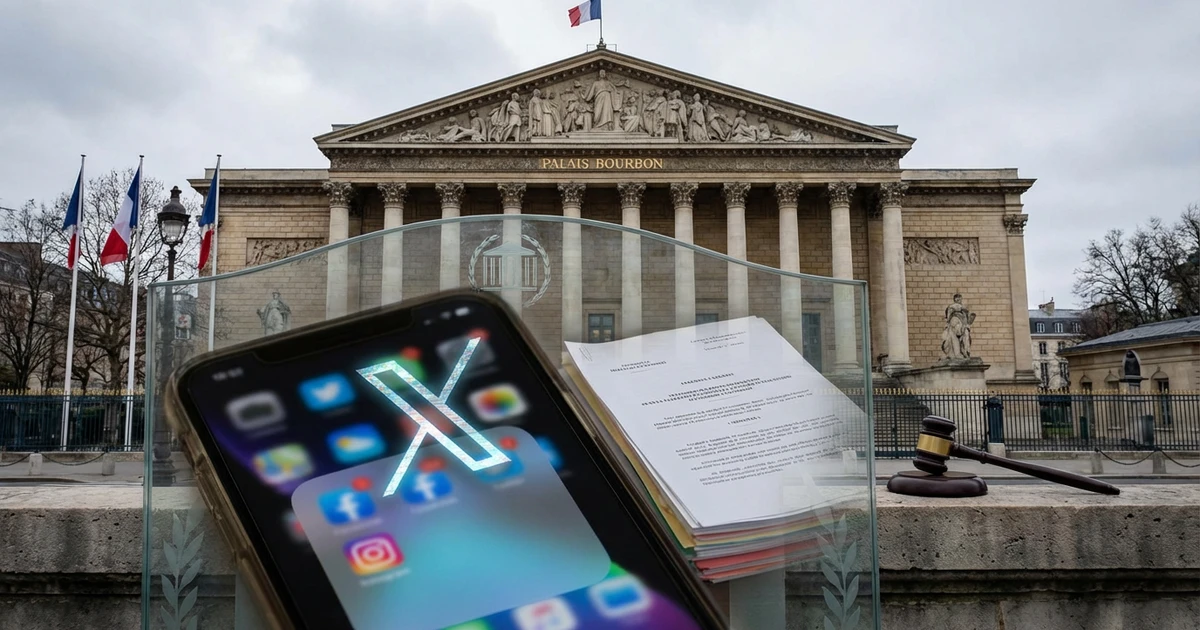
France is poised to make a significant move in regulating children's online activity, as Members of Parliament (MPs) have taken the initial step toward banning social media access for those under the age of 15. The proposal, which has garnered national attention, is part of a larger debate about children's mental health and digital safety in the modern age.
Government Takes Action on Social Media Concerns
On January 26, 2026, French MPs voted in favor of a bill that would bar children under 15 from accessing social media platforms. This legislative action comes as concerns mount over the impact of social media on the cognitive and emotional development of young people. President Emmanuel Macron has made the issue a priority, vowing to accelerate the legislative process and underscoring the government's commitment to child protection.
Macron’s Strong Stance
President Macron has been vocal about the need to shield children from online risks, emphasizing the commercial pressures of digital platforms. He has stated France will fast-track the social media ban for those under 15, reflecting both political will and public scrutiny regarding children's exposure to targeted content online.
Why Target Under-15s?
The initiative is grounded in growing research indicating that social media can have detrimental effects on young brains, including issues with attention, self-esteem, and exposure to inappropriate material. By targeting children under 15, French lawmakers aim to address a particularly vulnerable age group, citing findings that younger users are more susceptible to online manipulation and addictive behaviors.
- Age restriction: The proposed law would make it illegal for children under 15 to create or maintain accounts on social media platforms.
- Enforcement: While technical details are still under discussion, enforcement mechanisms are expected to require platforms to verify users' ages more rigorously.
- National priority: The move is part of a broader strategy to protect minors from data exploitation and mental health risks.
Implications for Parents, Tech Companies, and Society
The bill represents a significant shift in how France approaches digital regulation. For parents, it could provide additional support in setting boundaries for their children's online activity. For social media companies, the law would necessitate stricter age verification and could set a precedent for similar regulations across Europe.
Supporters of the ban argue that it is a necessary measure to counteract the increasing commercialization of childhood and safeguard mental wellbeing. Detractors, however, warn about the challenges of enforcing age limits and the potential for children to circumvent restrictions.
Next Steps and Outlook
The bill has cleared its first legislative hurdle, but it must still pass through the French Senate and face further debate. If enacted, France would become one of the first major countries to implement such a sweeping ban on social media for young users.
As the legislative process continues, the outcome will be closely watched by policymakers, parents, and technology companies worldwide. The French initiative could mark a turning point in the global conversation about the intersection of childhood, technology, and mental health.
For more information about the legislative process and youth protection policies, visit the French National Assembly's official website.
Sources
- [1]BBC