World
France returns 23 Syrian artifacts as Macron visits Damascus
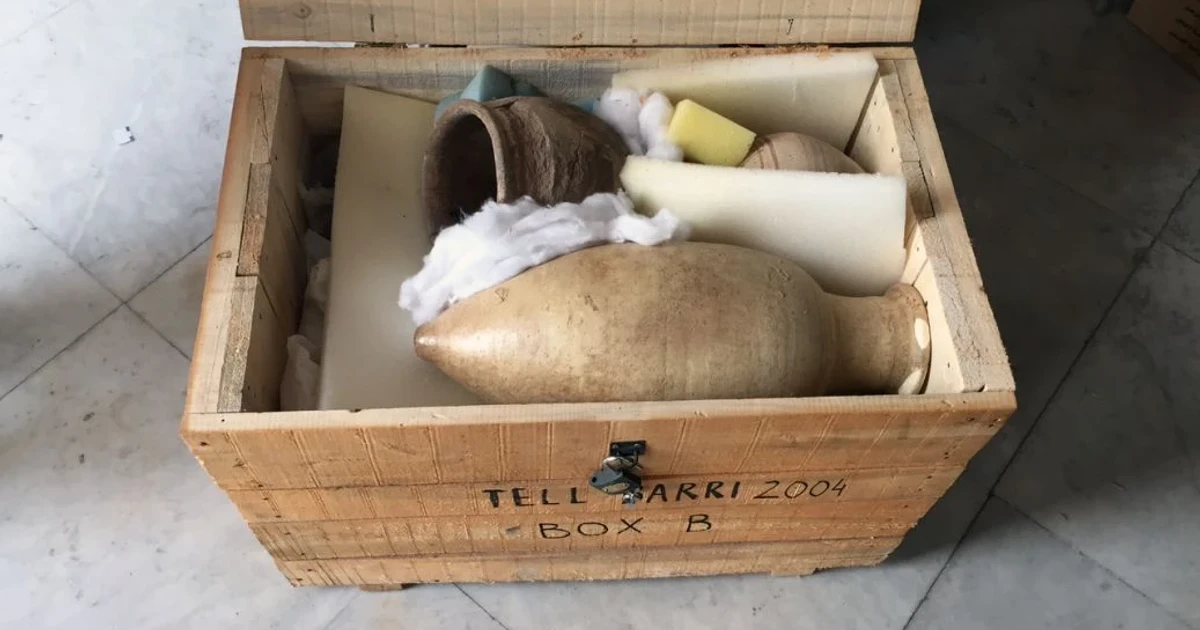
France handed back 23 Syrian archaeological treasures to Damascus after about 15 years in Paris, and the timing gave the transfer clear diplomatic weight. The objects were returned during Emmanuel Macron’s July 6-7 visit to the Syrian capital, a trip that made him the first Western European head of state to visit Syria since Bashar al-Assad was toppled in 2024.
The pieces had been loaned from Syrian museums to the Arab World Institute in Paris before the war began in March 2011, then stayed in France as Syria’s conflict deepened. Syrian cultural officials said the collection belonged to museums in Damascus, Aleppo, Latakia and Palmyra, reflecting how widely the country’s heritage was dispersed and exposed during the fighting. Among the items were Roman bronze objects, Byzantine and Islamic-era pieces, and a richly colored mosaic panel.
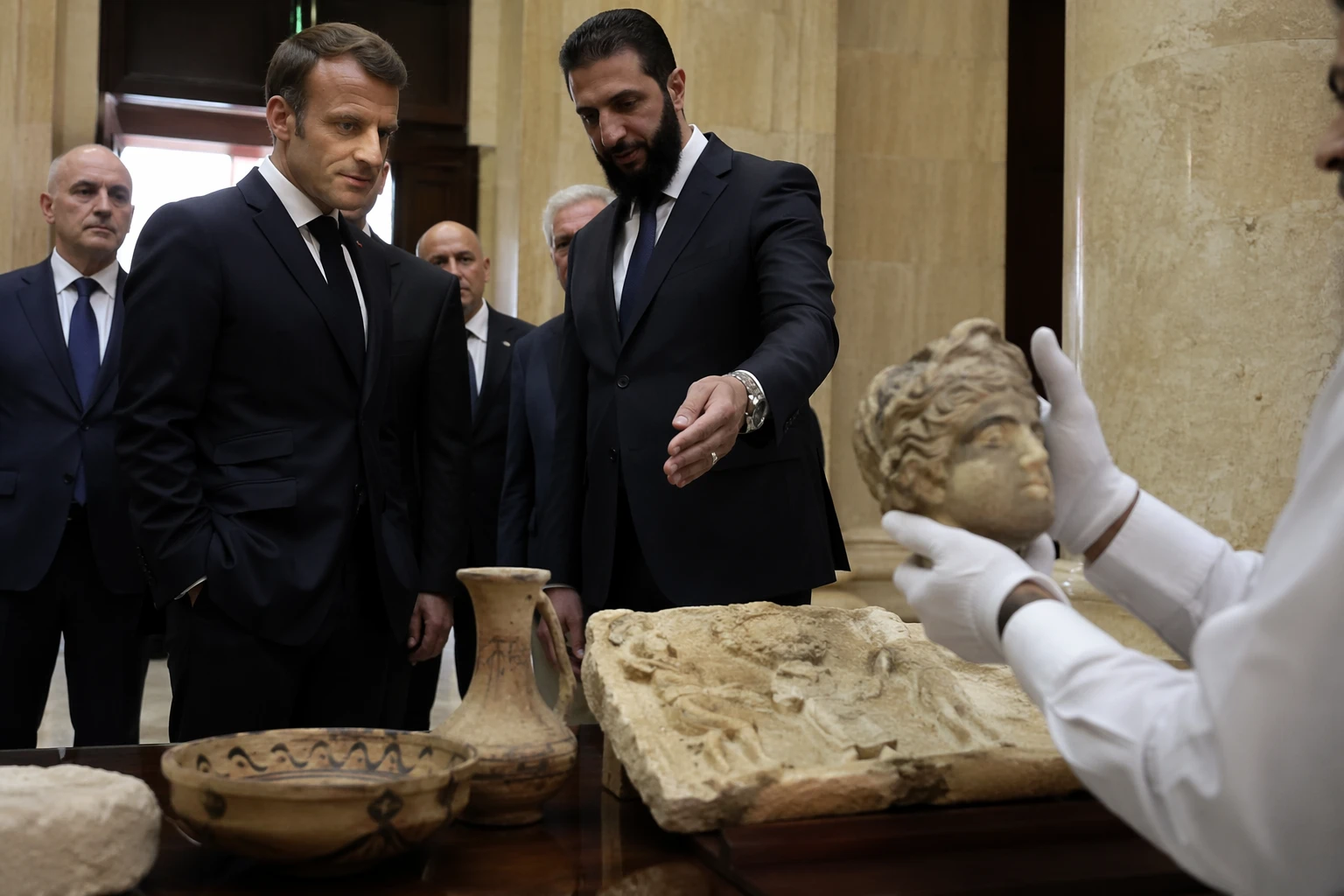
The transfer carried more than ceremonial value because Syria’s museum system remains fragile. Damascus’s national museum reopened in January 2025 after closing in December 2024 over fears of looting, a reminder that even after the political break with Assad, the country’s heritage institutions were still vulnerable. UNESCO says Syria’s cultural heritage has been affected since the conflict began in 2011, and as of January 2025, 40 museums had suffered directly or indirectly from the war, including two national museums.
UNESCO also says 26 heritage sites had been affected, while its work in Syria has centered on emergency protection, museum rehabilitation and efforts to combat looting and illicit trafficking. The International Council of Museums has also warned that Syrian objects remain highly vulnerable to theft and illegal trade, and its Syria Red List is designed to help customs and police identify categories of at-risk artifacts.
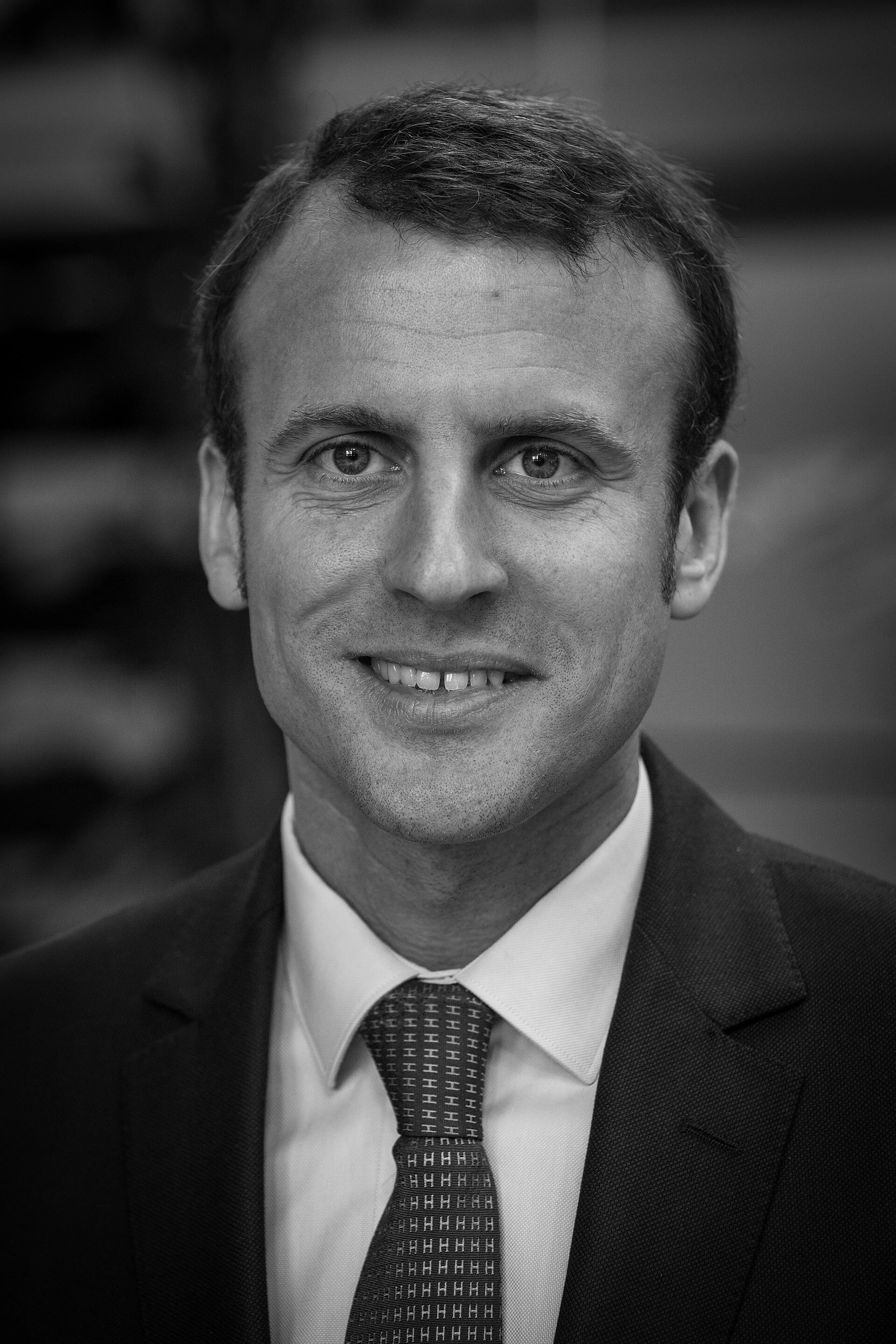
By moving the artifacts aboard the French presidential aircraft, the handover tied cultural restitution to state power and high-level diplomacy. Macron’s visit also came as his government and Syrian officials discussed reconstruction, investment and regional stability, even as explosions in Damascus during the trip underscored the insecurity surrounding any broader normalization. For Syria, the return offered a visible sign that parts of its historical record are being restored; for France, it served as a carefully calibrated gesture that could help reset relations without declaring a full political realignment.
Sources
- [1]apnews.com
- [2]france24.com
- [3]unesco.org
- [4]whc.unesco.org
- [5]icom.museum