Business
France tightens foreign investment scrutiny in strategic sectors
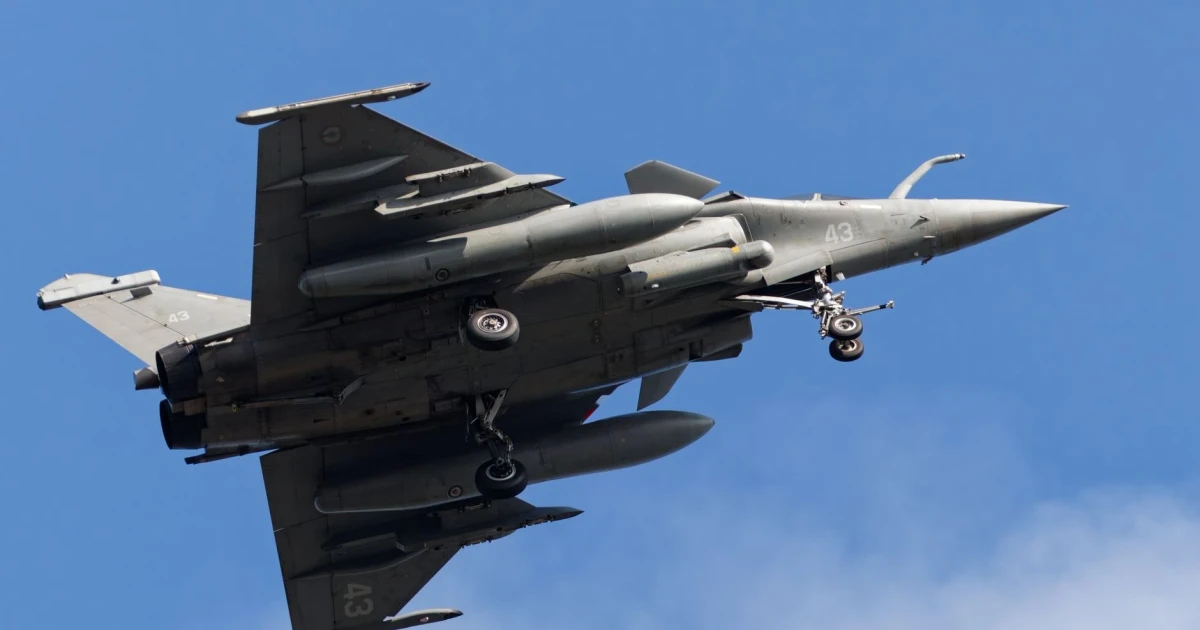
France is widening its scrutiny of foreign deals in defense, energy, telecommunications and artificial intelligence, turning more cross-border transactions into national-security files. The country’s screening regime already reaches public health, water, media, data processing and cybersecurity-linked technologies, giving regulators a much broader view of what counts as strategic.
The U.S. Department of State’s 2024 and 2025 Investment Climate Statements describe France as requiring prior authorization for foreign investment in sensitive sectors. UNCTAD later said France lowered the threshold that triggers mandatory investment review from 33.33% to 25% and broadened the sectoral scope of review, while a decree and ministerial order issued on Dec. 28, 2023 extended the regime again. Under those changes, the voting-rights threshold for non-EU and non-EEA investors in listed companies fell to 10% in some cases.
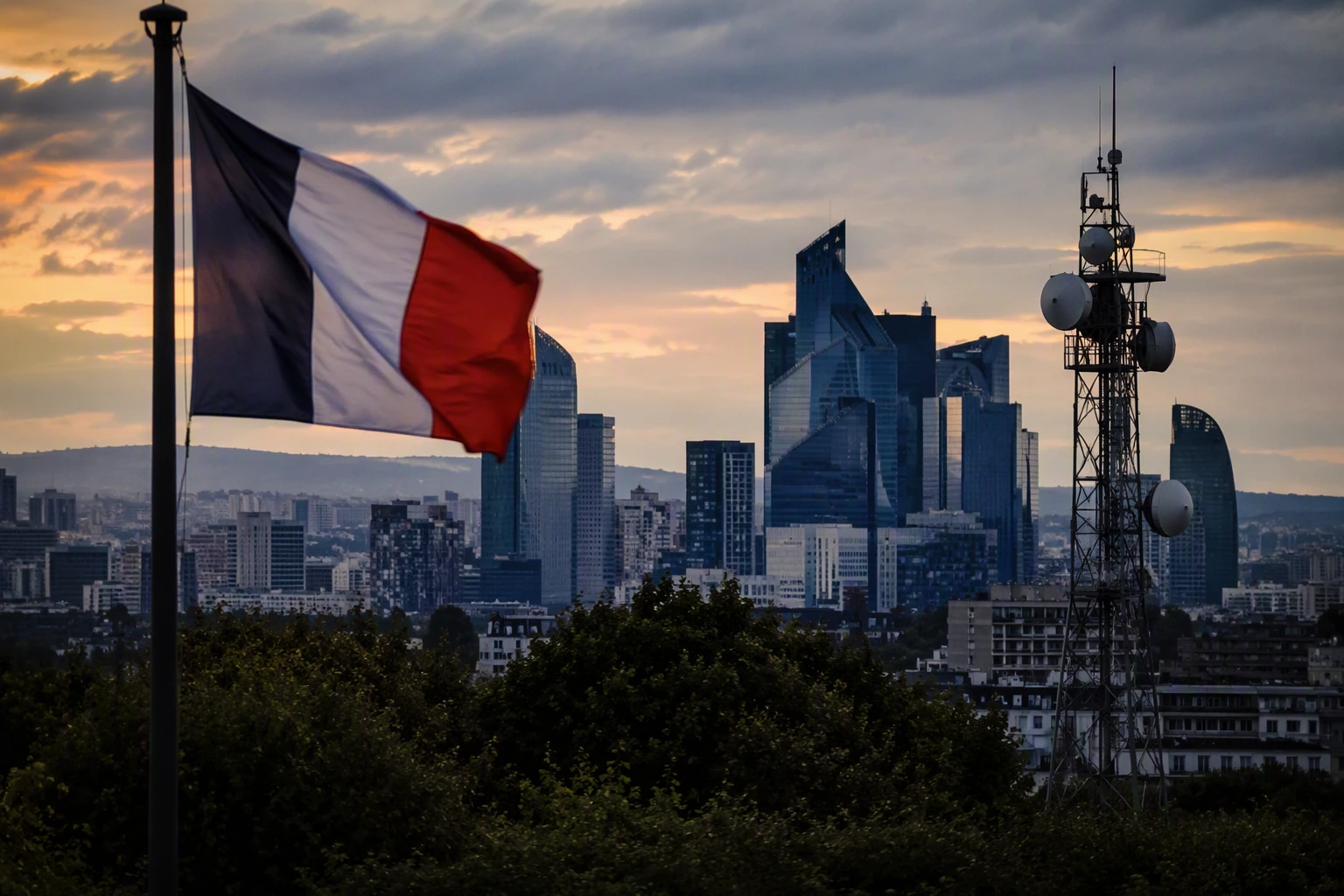
That tightening fits a broader Western economic-security shift. The United States and the European Union have both expanded screening rules as governments respond to China, Russia’s war in Ukraine and concerns over technology transfer. In practice, that has made ordinary merger talks, acquisitions and partnerships more conditional, with approvals taking longer and more transactions drawing attention if they touch assets the state considers sensitive.

For investors, the economic effect is as important as the security logic. Tougher oversight can deter some bids, push French companies toward domestic financing and force foreign buyers to restructure their stakes, especially when deals involve sectors tied to national resilience. France’s own annual reporting shows the state’s active role: the French Ministry of the Economy’s Direction générale du Trésor released a report on foreign direct investment reviewed in 2022 on May 9, 2023, and another annual report on July 30, 2025. Both point to the same policy line, constant due diligence and responsiveness in protecting national interests.
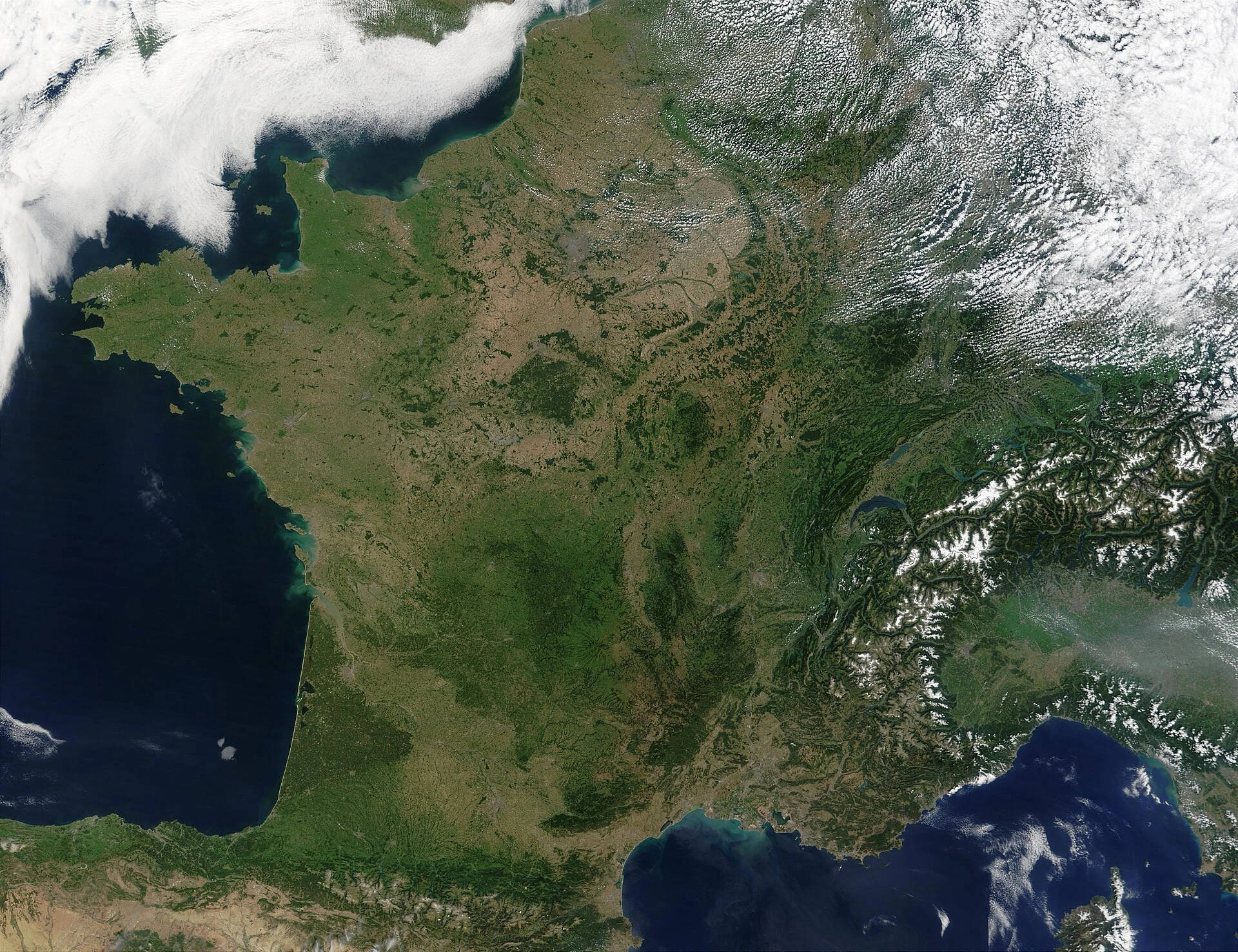
France’s technology strengths help explain the caution. The Belfer Center ranked the country ninth overall in its Critical and Emerging Technologies Index 2025, with artificial intelligence ranked sixth, quantum seventh and space fifth. That makes advanced technology investment look less like routine dealmaking and more like a question of strategic autonomy, especially as Paris tries to keep capital flowing without ceding control over assets it sees as central to economic sovereignty.