World
France to honor Resistance hero Marc Bloch in the Panthéon
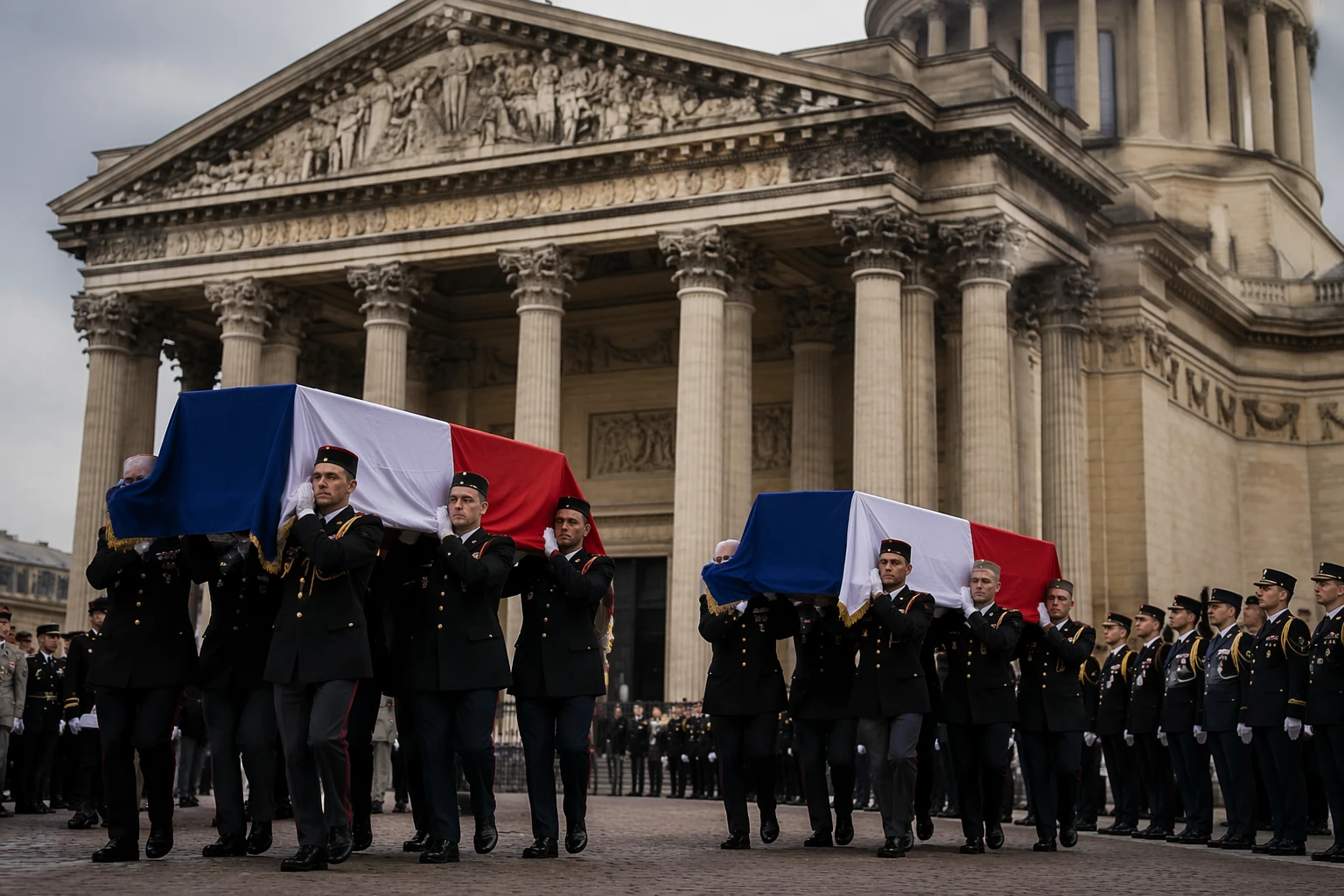
France placed Marc Bloch, the Jewish historian and Resistance fighter murdered by the Gestapo in 1944, into the Panthéon as a republic-defining figure whose life now carries political weight far beyond academia. The ceremony, held 82 years after his death, also honored his wife, Simonne Vidal, and cast Bloch as a symbol of humanism, courage and civic duty.
President Emmanuel Macron announced Bloch’s elevation in Strasbourg on 23 November 2024, during the 80th anniversary of the city’s liberation, framing the move as a statement about France’s values. The Culture Ministry said Bloch was a major historian and engaged citizen whose entry into the national shrine would inscribe both him and Vidal into the country’s memory. For a country still arguing over identity, antisemitism, resistance and republican ideals, Bloch’s inclusion became more than homage: it became a test of which France gets to claim him.
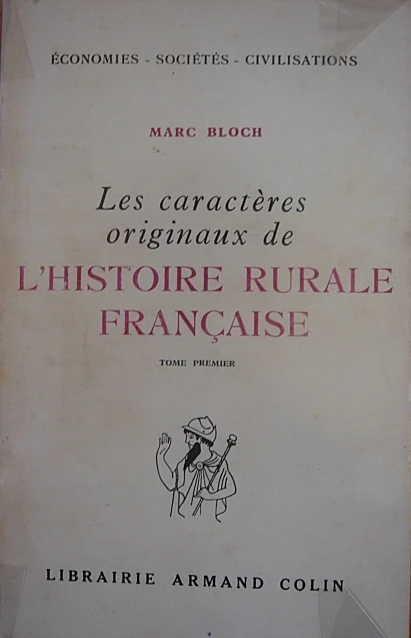
Bloch was born in 1886, served in the French infantry during World War I and, after 1919, taught medieval history at the University of Strasbourg, where he co-founded the Annales journal with Lucien Febvre. He later taught economic history at the Sorbonne from 1936. During World War II, he entered the Resistance in 1943, was captured, tortured and executed by German forces near Lyon on 16 June 1944. France has described him as the first historian to enter the Panthéon, a distinction that places scholarship itself inside the country’s official pantheon of sacrifice.
The tribute has also revived attention to Nazi looting of Bloch’s library. A spoliated book was returned to his heirs on 16 February 2026 by the French Culture Ministry and the Institut national d'histoire de l'art, and on 28 May 2026 Germany restituted seven books stolen from Bloch during the war in a ceremony in Berlin. Those volumes were to be transferred to the Bibliothèque Halphen at the Sorbonne, linking the symbolic honor of the Panthéon to the slower work of repairing cultural theft.
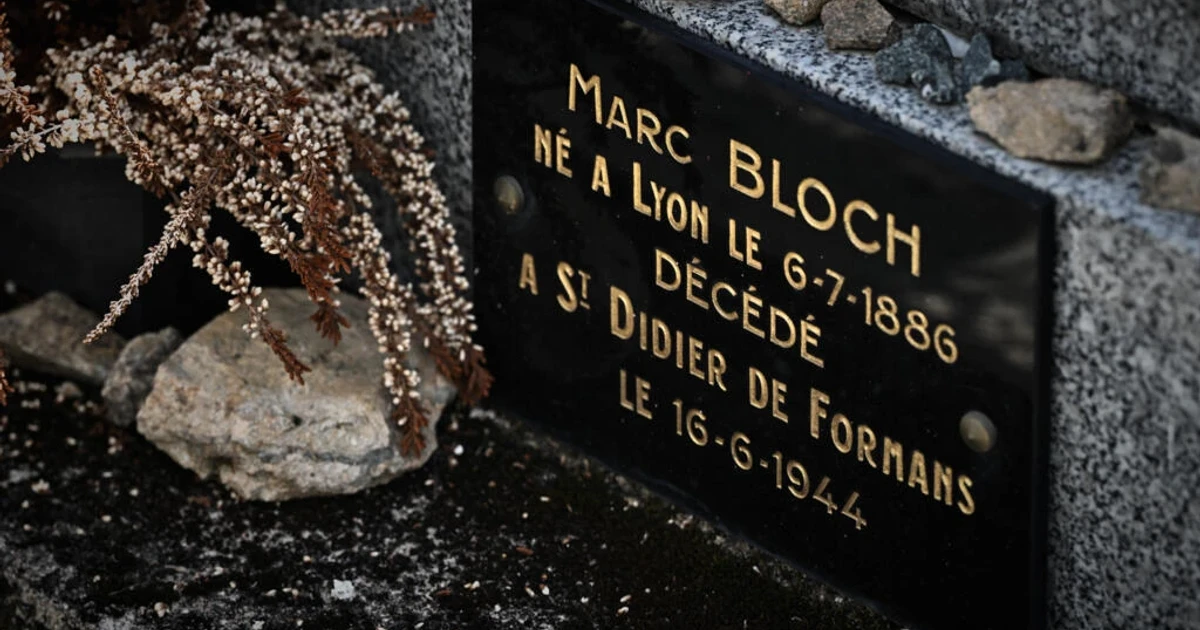
Bloch’s ashes remained in the family tomb at Bourg-d’Hem, in Creuse, underscoring that the tribute was symbolic rather than a reburial. That distinction only sharpened the meaning of the day: France was not moving a body so much as claiming a legacy, and in doing so exposing how contested its national memory had become.
Sources
- [1]nytimes.com
- [2]france24.com
- [3]culture.gouv.fr
- [4]britannica.com