Politics
France's air-conditioning fight heats up as Marine Le Pen pushes rollout
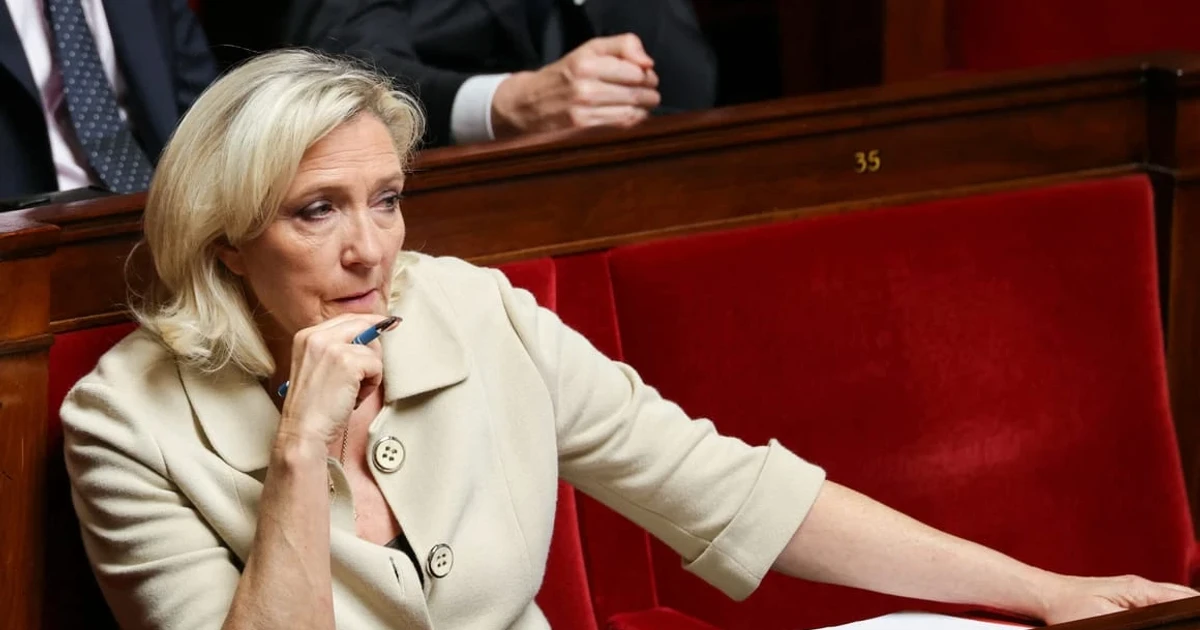
France’s latest heatwave turned air-conditioning into a political test, with 72 mainland departments placed under red alert and Marine Le Pen demanding a major national equipment plan. As classes were suspended in more than 1,000 schools and trains were canceled in the heat, the argument shifted from comfort to public policy.
The stakes are not small. The World Health Organization says heat-related causes kill more than 175,000 people a year in Europe, and Europe is warming at about twice the global average. That reality has pushed air-conditioning from a consumer choice into a question of adaptation, especially in countries such as France where cooling remains far less common than in the United States.
France sits at the center of that tension. Recent reporting puts air-conditioning ownership in French households at about 7%, while another estimate says only 25% of households have any cooling system at all, including fans. Public buildings are even worse prepared: only 7% of French public schools are reported to have any cooling system, leaving classrooms exposed when temperatures spike. The result has already been visible in repeated disruptions, including the suspension of classes in more than 1,000 schools during a recent early-summer heatwave.
Le Pen, the leader of the far-right National Rally, has used the crisis to argue for a large-scale rollout of air-conditioning in France, including schools, hospitals and care homes. Her message is straightforward: air conditioning saves lives. That position has found traction as families and local officials face immediate pressure to protect children, patients and older people during dangerous heat.

But the debate is not just about whether France should install more units. Environmentalists and some officials warn that treating air-conditioning as the main answer can raise electricity demand and emissions, especially if it crowds out building renovation, passive cooling and better urban design. The International Energy Agency says air-conditioning ownership in Europe is about 20% overall, more than double its 1990 level, but still unevenly distributed and more common among wealthier households.
That divide is now visible across Europe’s politics. For Le Pen and her allies, more cooling is a practical response to hotter summers and a symbol of personal protection. For her critics, a rush to air-condition homes and public buildings risks locking in higher energy use just as governments are trying to cut emissions. France’s red alerts, school closures and transport disruptions have made that clash harder to ignore.
Sources
- [1]nytimes.com
- [2]who.int
- [3]iea.org
- [4]politico.eu
- [5]english.elpais.com
- [6]build-up.ec.europa.eu