World
French loyalists lead New Caledonia vote as talks with Paris loom
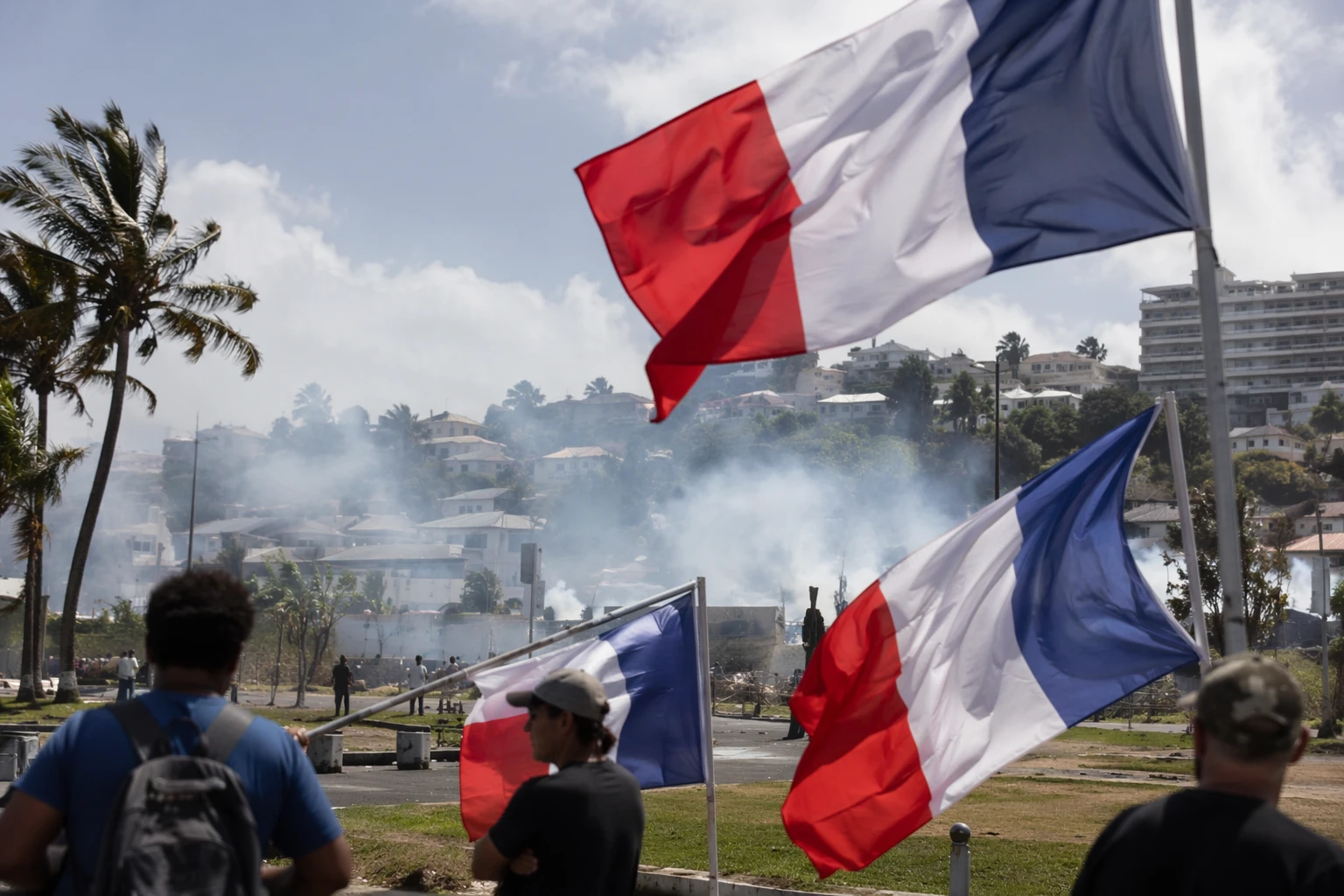
French loyalists led in New Caledonia’s long-delayed provincial elections, with preliminary figures putting the non-independence bloc on 24 of 54 seats. No side won an outright governing majority.
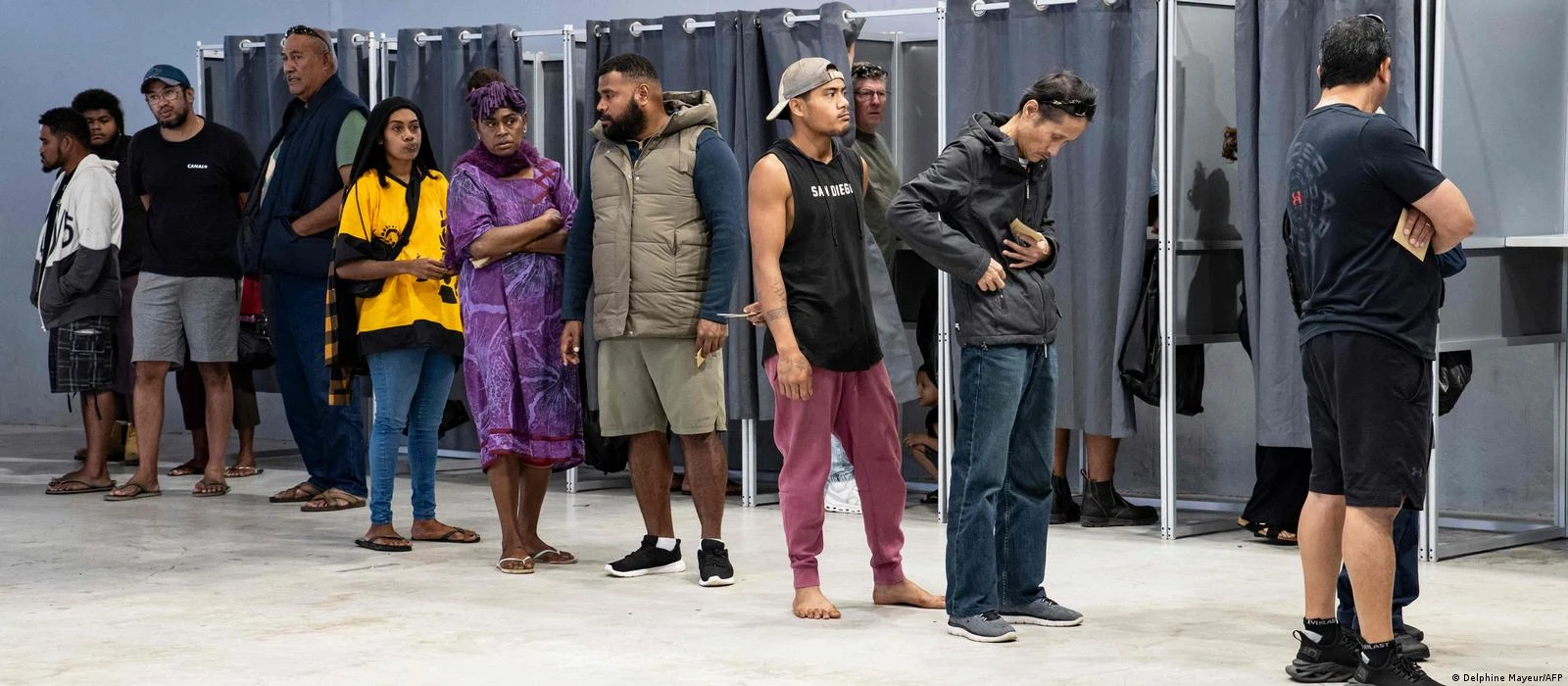
The vote was New Caledonia’s first provincial election since 2019 and came after three postponements from the original 2024 date. Officials held the ballot under heavy security after last year’s unrest killed at least 13 or 14 people and caused more than €2 billion in damage. About 2,500 police were deployed around polling stations, and many voters lined up before polling began in Noumea.
Turnout at the close of polling stood at 54.42 percent, slightly below the 58.49 percent recorded at the same point in 2019. About 192,500 voters were eligible. The election also tested a revised roll that added about 10,575 locally born residents and their spouses. The frozen roll created under the 1998 Nouméa Accord has long been a core pro-independence demand and one of the flashpoints behind the 2024 crisis.
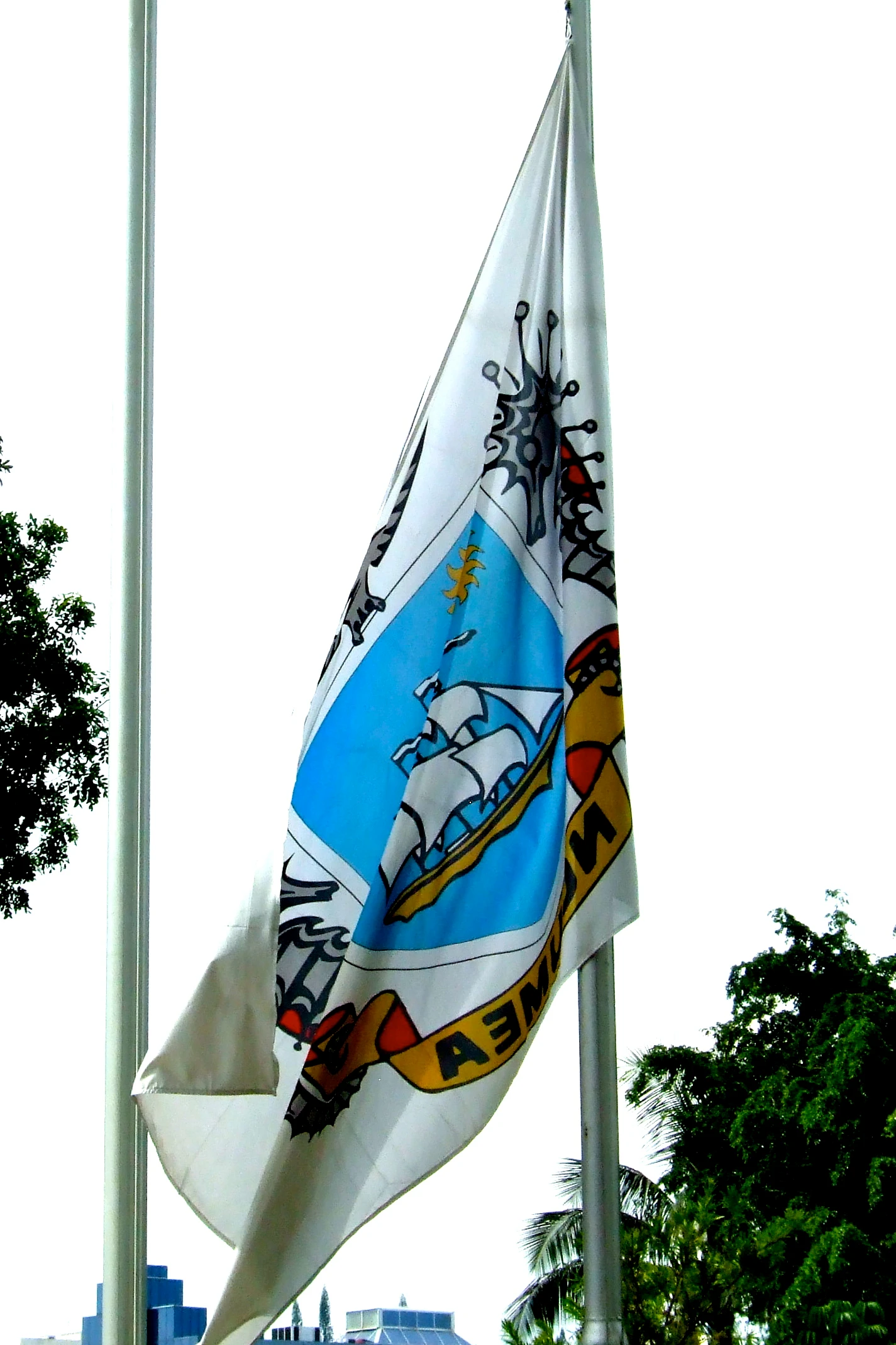
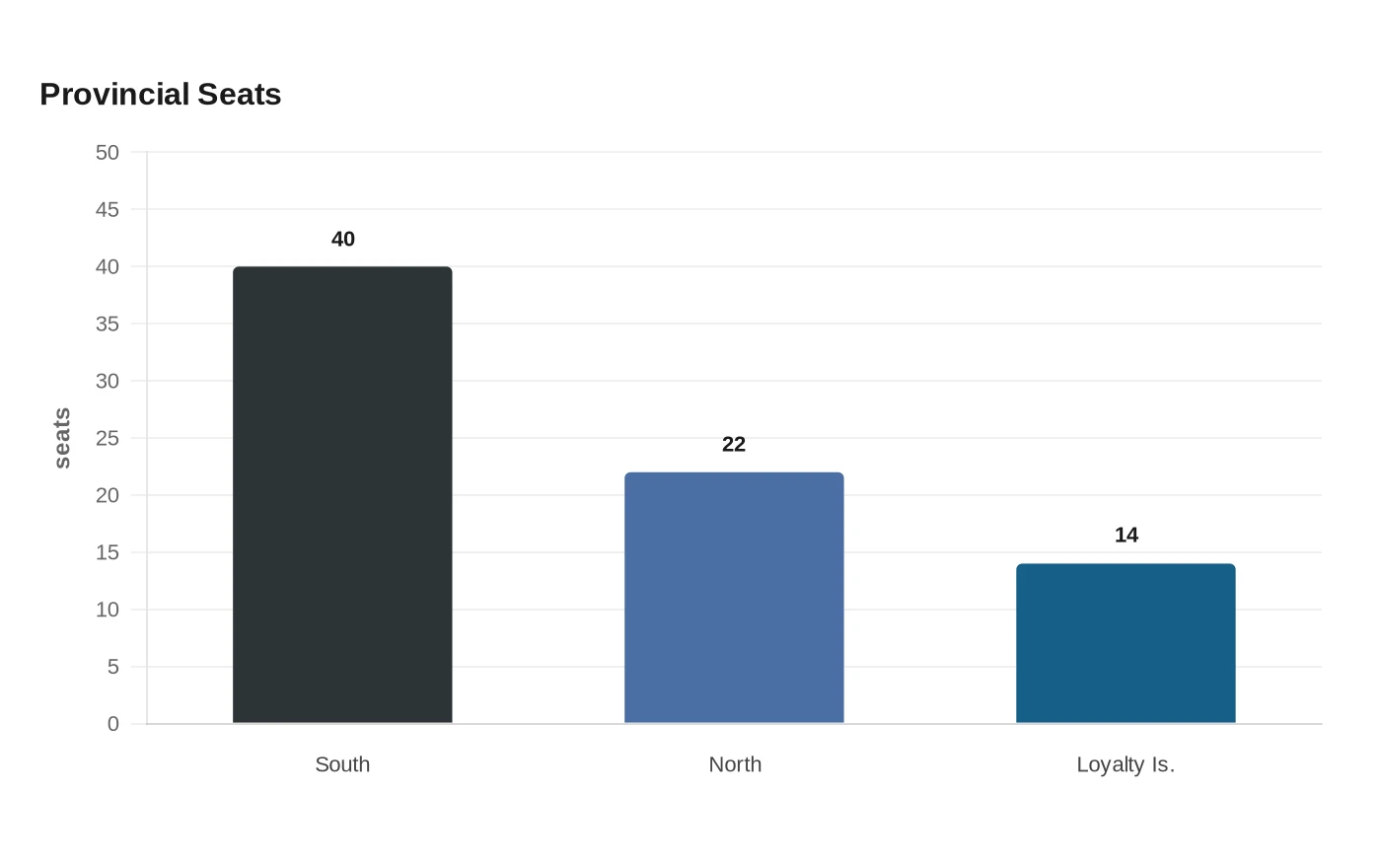
The ballot does not decide independence directly, but it determines control of the three provincial assemblies and, through them, most of the territory’s governing machinery. The South Province elects 40 representatives, the North Province 22 and the Loyalty Islands Province 14. Together, the provinces choose 54 of the 76 members of the Congress of New Caledonia, the body that passes local laws and elects the territory’s collegial government.
France annexed New Caledonia in 1853 and made it an overseas territory in 1946, and the dispute has since moved through three independence referendums in 2018, 2020 and 2021, all of which produced majorities for remaining part of France.
The 2019 census found 32.5 percent of Kanaks living below the poverty line, compared with 9 percent of non-Kanaks. Only 8 percent of Kanaks held a university degree, against 54 percent of people of European heritage, and roughly 90 percent of the prison population is Kanak even though Kanaks make up about 41 percent of residents.
In June, a Paris court dropped charges against pro-independence leader Christian Téin and 13 others over the 2024 unrest for lack of sufficient evidence, prompting relief from FLNKS and criticism from loyalist figures.
Sources
- [1]usnews.com
- [2]france24.com
- [3]rnz.co.nz
- [4]link.springer.com
- [5]lowyinstitute.org
- [6]dw.com
- [7]rfi.fr
- [8]aljazeera.com