World
French students face Nietzsche in national philosophy exam
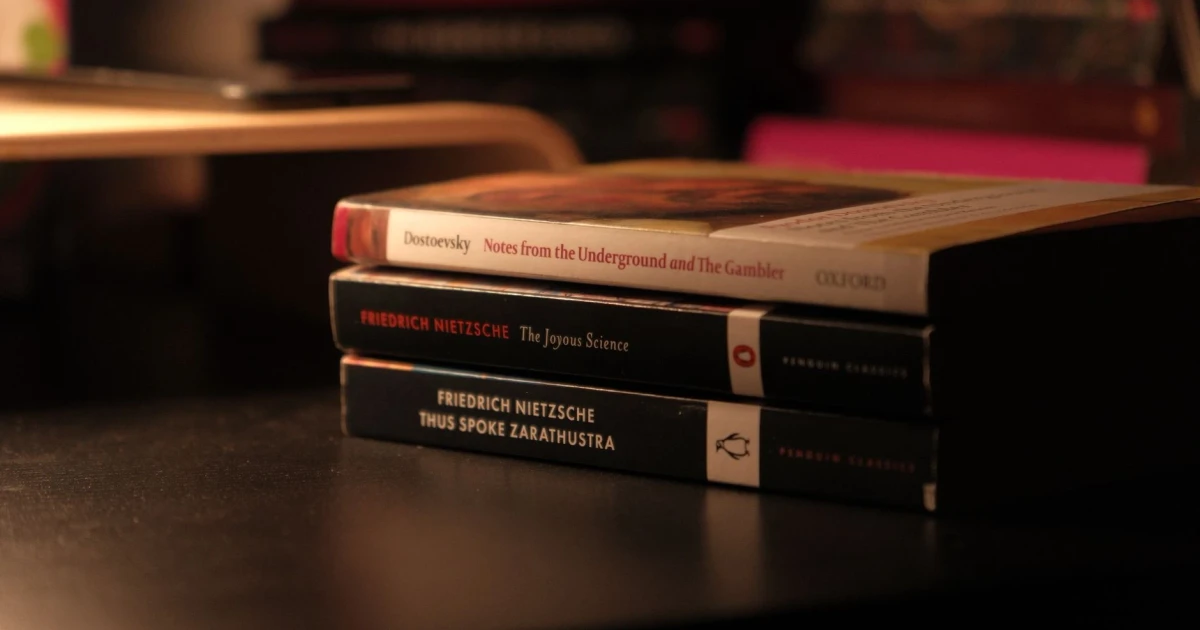
Nietzsche landed in the French baccalauréat philosophy exam this year, a national rite that turns abstract thinking into a mass event for hundreds of thousands of teenagers. The paper, which opens the exam season in France, asked students to grapple with ideas that have long defined the country’s school culture: liberty, happiness, truth and conscience.
On Monday, June 15, 2026, about 530,000 final-year students in the general and technological tracks sat the philosophy test from 8 a.m. to noon. The 4-hour paper gave students in the general track a choice between two essay topics and one text commentary, and one of those commentary options drew on Friedrich Nietzsche’s Human, All Too Human. The French Ministry of Education said calculators and dictionaries were not allowed.
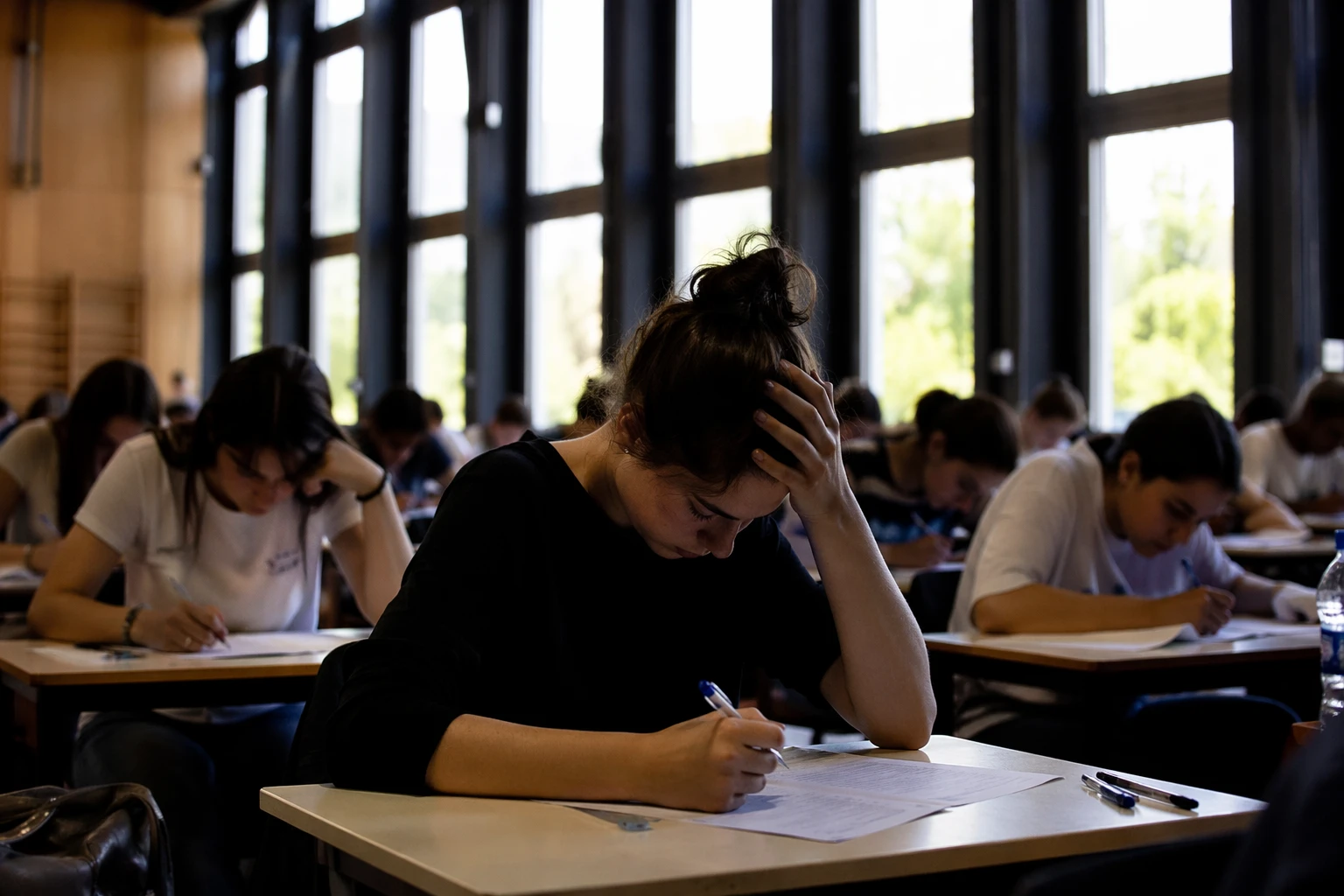
That pairing says much about the French education model. Philosophy is mandatory in the final year of mainstream secondary school, and the bac philo is treated not as a niche academic specialty but as a shared public exercise in judgment. Before many of them move on to university, students are asked to handle one of the country’s most symbolic exams by arguing through ideas, not memorizing facts, and by doing so under the same conditions as their peers across France.

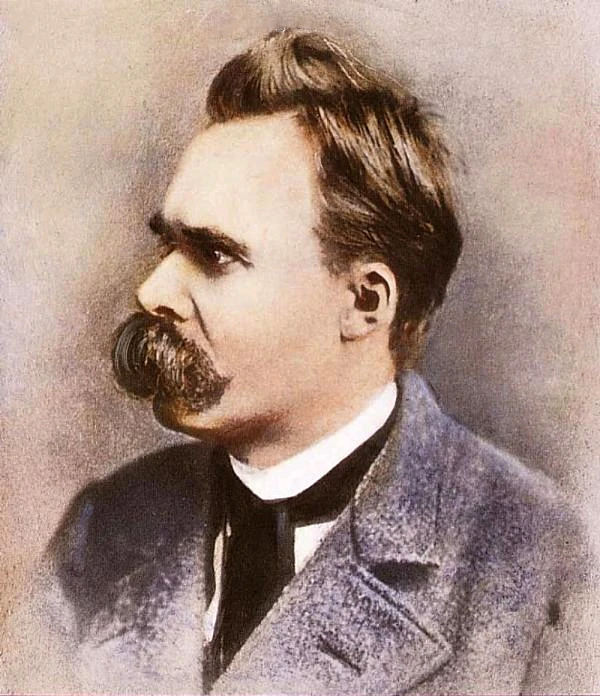
The choice of Nietzsche fits the tradition. Human, All Too Human, published in 1878, is an aphoristic work of 638 short reflections and is widely read as a turning point in Nietzsche’s thought, moving toward a more skeptical, anti-metaphysical style influenced by the Enlightenment. In a country that still asks adolescents to confront major concepts in a standardized national setting, that text is more than a literary selection. It reflects a system that still treats philosophical literacy as part of civic formation.
That is why the bac philo attracts the kind of attention usually reserved for national rituals. Teachers, intellectuals and students alike debate the year’s questions, the difficulty of the prompts and what they reveal about France itself. The exam’s endurance stands out at a time when many education systems have shifted toward utilitarian skills. France, by contrast, still makes room for abstraction at scale, insisting that the ability to reason publicly remains a core part of schooling, not an elite extra.
Sources
- [1]nytimes.com
- [2]education.gouv.fr
- [3]letudiant.fr
- [4]pollar.news
- [5]france24.com
- [6]connexionfrance.com
- [7]gutenberg.org
- [8]sujetdebac.fr